Yunhao Cai, Hui Huang. Crystallization-sequence engineering enables organic solar cell modules with efficiencies exceeding 18%[J]. Journal of Semiconductors, 2026, 47(6): 060404. doi: 10.1088/1674-4926/26020050 ****Y H Cai and H Huang, Crystallization-sequence engineering enables organic solar cell modules with efficiencies exceeding 18%[J]. J. Semicond., 2026, 47(6): 060404 doi: 10.1088/1674-4926/26020050
| Citation:
|
Yunhao Cai, Hui Huang. Crystallization-sequence engineering enables organic solar cell modules with efficiencies exceeding 18%[J]. Journal of Semiconductors, 2026, 47(6): 060404. doi: 10.1088/1674-4926/26020050
****
Y H Cai and H Huang, Crystallization-sequence engineering enables organic solar cell modules with efficiencies exceeding 18%[J]. J. Semicond., 2026, 47(6): 060404 doi: 10.1088/1674-4926/26020050
|
Yunhao Cai, Hui Huang. Crystallization-sequence engineering enables organic solar cell modules with efficiencies exceeding 18%[J]. Journal of Semiconductors, 2026, 47(6): 060404. doi: 10.1088/1674-4926/26020050 ****Y H Cai and H Huang, Crystallization-sequence engineering enables organic solar cell modules with efficiencies exceeding 18%[J]. J. Semicond., 2026, 47(6): 060404 doi: 10.1088/1674-4926/26020050
| Citation:
|
Yunhao Cai, Hui Huang. Crystallization-sequence engineering enables organic solar cell modules with efficiencies exceeding 18%[J]. Journal of Semiconductors, 2026, 47(6): 060404. doi: 10.1088/1674-4926/26020050
****
Y H Cai and H Huang, Crystallization-sequence engineering enables organic solar cell modules with efficiencies exceeding 18%[J]. J. Semicond., 2026, 47(6): 060404 doi: 10.1088/1674-4926/26020050
|



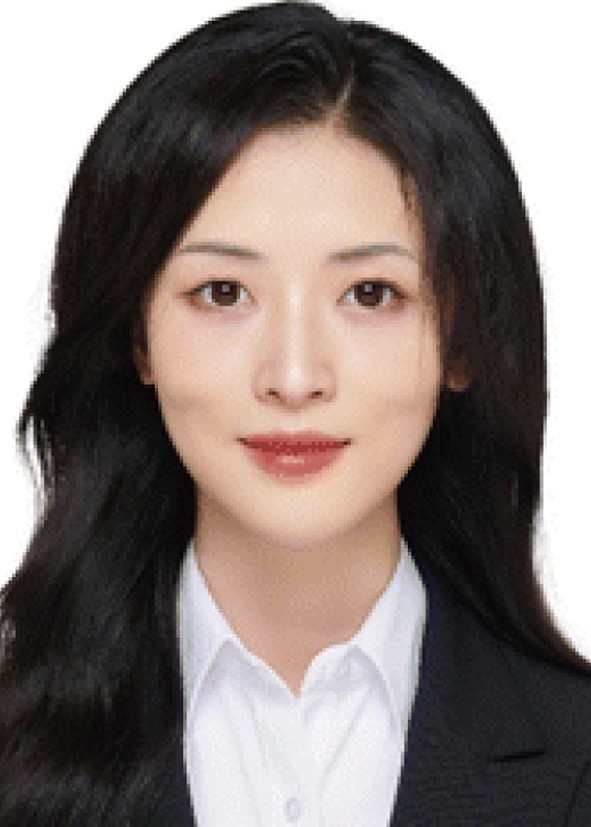 Yunhao Cai is an Assistant Professor at the School of Materials Science and Opto-Electronic Technology, University of the Chinese Academy of Sciences. She received her Ph.D. in Chemistry and Environmental Science from Beihang University in 2019, and subsequently conducted postdoctoral research in the same group. Her current research focuses on organic photovoltaic materials and devices.
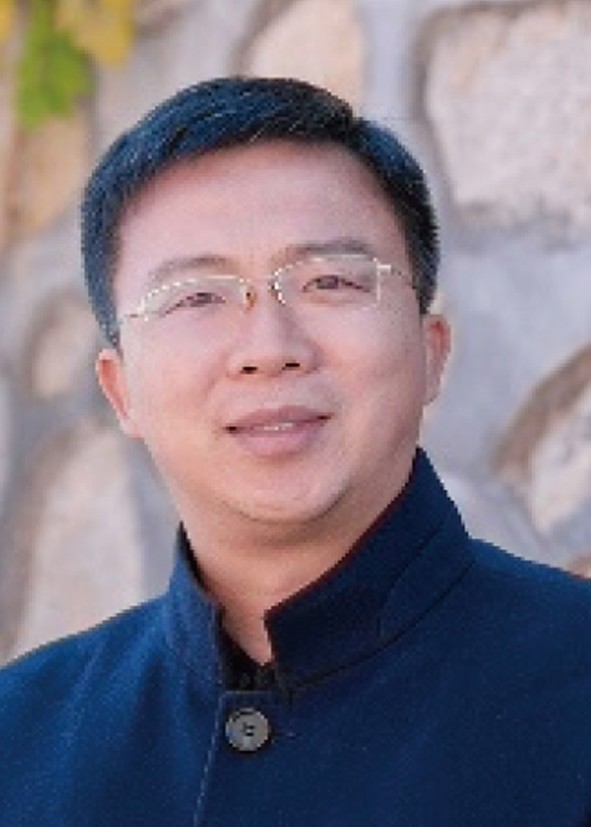 Hui Huang is a full professor at Tianjin University. He received his Ph.D. in 2008 at Dartmouth College. He conducted several years of research at Northwestern University and ConocoPhillips/Phillips66 before becoming a full professor. He has published over 140 peer-reviewed journal papers, and his research interests cover the synthetic methodology and optoelectronic applications of organic/polymeric semiconductors.
 DownLoad: