| [1] |
Shavit K, Wagner A, Schertel L, et al. A tunable reflector enabling crustaceans to see but not be seen. Science, 2023, 379(6633): 695 doi: 10.1126/science.add4099 |
| [2] |
Lemcoff T, Alus L, Haataja J S, et al. Brilliant whiteness in shrimp from ultra-thin layers of birefringent nanospheres. Nat Photonics, 2023, 17(6): 485 doi: 10.1038/s41566-023-01182-4 |
| [3] |
Lin J Y, Ye W Y, Xie M, et al. Environmental impacts and remediation of dye-containing wastewater. Nat Rev Earth Environ, 2023, 4(11): 785 doi: 10.1038/s43017-023-00489-8 |
| [4] |
Ghosh R, Baut A, Belleri G, et al. Photocatalytically reactive surfaces for simultaneous water harvesting and treatment. Nat Sustain, 2023, 6(12): 1663 doi: 10.1038/s41893-023-01159-9 |
| [5] |
Li T, Chen C J, Brozena A H, et al. Developing fibrillated cellulose as a sustainable technological material. Nature, 2021, 590(7844): 47 doi: 10.1038/s41586-020-03167-7 |
| [6] |
|
| [7] |
Cruz L, Basílio N, Mateus N, et al. Natural and synthetic flavylium-based dyes: The chemistry behind the color. Chem Rev, 2022, 122(1): 1416 doi: 10.1021/acs.chemrev.1c00399 |
| [8] |
Liang H L, Bay M M, Vadrucci R, et al. Roll-to-roll fabrication of touch-responsive cellulose photonic laminates. Nat Commun, 2018, 9: 4632 doi: 10.1038/s41467-018-07048-6 |
| [9] |
Frka-Petesic B, Parton T G, Honorato-Rios C, et al. Structural color from cellulose nanocrystals or chitin nanocrystals: Self-assembly, optics, and applications. Chem Rev, 2023, 123(23): 12595 doi: 10.1021/acs.chemrev.2c00836 |
| [10] |
Ito M M, Gibbons A H, Qin D T, et al. Structural colour using organized microfibrillation in glassy polymer films. Nature, 2019, 570(7761): 363 doi: 10.1038/s41586-019-1299-8 |
| [11] |
Droguet B E, Liang H L, Frka-Petesic B, et al. Large-scale fabrication of structurally coloured cellulose nanocrystal films and effect pigments. Nat Mater, 2022, 21(3): 352 doi: 10.1038/s41563-021-01135-8 |
| [12] |
Miller B H, Liu H, Kolle M. Scalable optical manufacture of dynamic structural colour in stretchable materials. Nat Mater, 2022, 21(9): 1014 doi: 10.1038/s41563-022-01318-x |
| [13] |
Cencillo-Abad P, Franklin D, Mastranzo-Ortega P, et al. Ultralight plasmonic structural color paint. Sci Adv, 2023, 9(10): eadf7207 doi: 10.1126/sciadv.adf7207 |
| [14] |
Lin C Y, Fan X T, Gu Y X, et al. Electrohydrodynamic inkjet printing of perovskite quantum dots for color-conversion micro-LED displays. J Semicond, 2026, 47(4): 041801 doi: 10.1088/1674-4926/25120014 |
| [15] |
Chen X, Li D C, Kong D S. Enhancing crack-based strain sensors for future wearables and robotics. J Semicond, 2026, DOI: 10.1088/1674-4926/26040040
|
| [16] |
Wang N Y, Zhang B R, Liu S J, et al, Enabling full-colour ultrahigh-resolution QLEDs via dual-action transfer printing and dielectric engineering. J Semicond, 2026, DOI: 10.1088/1674-4926/26040038
|
| [17] |
Li K X, Chen J F, Li H Z, et al. Printable meta-assemblies enable synergetic colouration. Nature, 2026, 652(8112): 1195 doi: 10.1038/s41586-026-10408-8 |



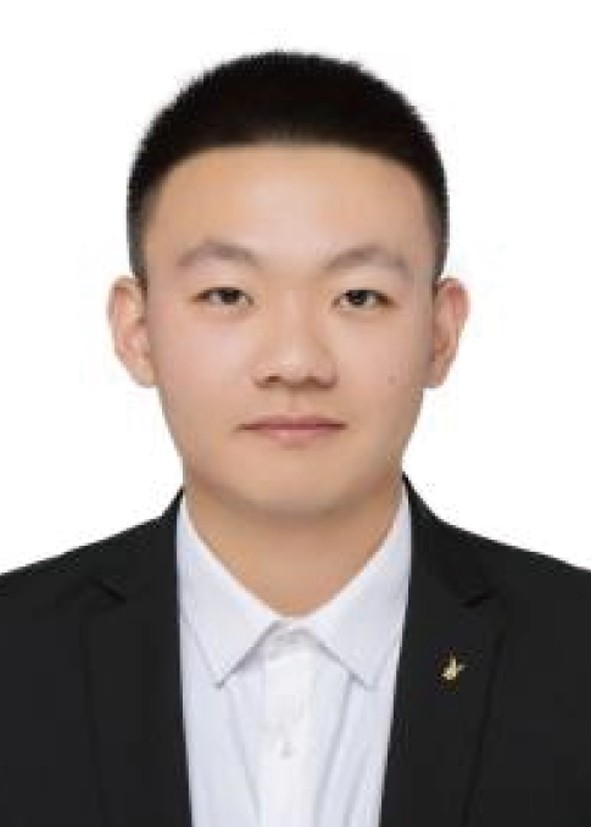 Tao Jiang received his Master's degree in materials and chemical engineering from Hefei University in 2024. He is currently studying for his Ph.D. in electronic information at Nanjing University of Posts and Telecommunications (NJUPT). His recent research interests are focused on flexible electronic materials and devices.
 Aoxi Yu received her B.S. in optoelectronic information science and engineering from Nanjing University of Posts and Telecommunications in 2022. She is currently studying for her Ph.D. in optical engineering at NJUPT. Her recent research interests are focused on flexible electronic materials and devices.
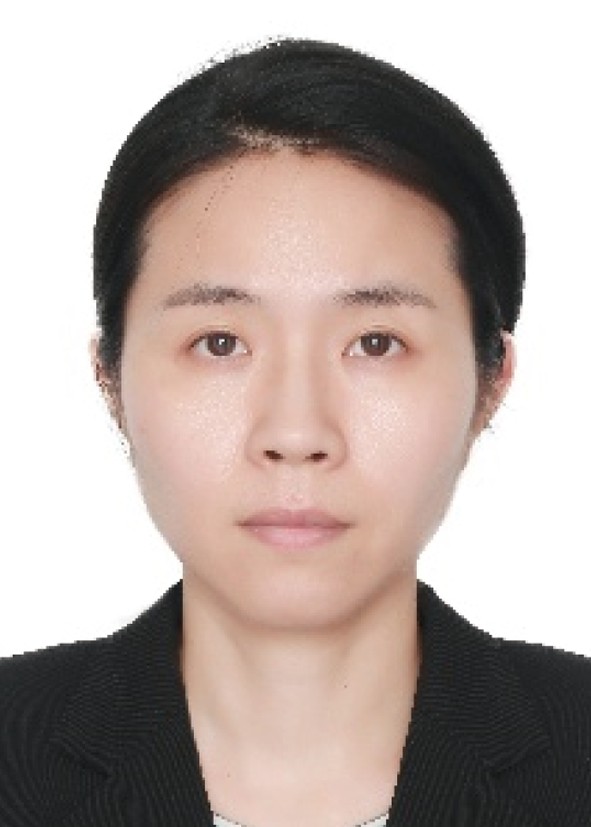 Leilei Liu received the B.Sc. and Ph.D. degrees in electromagnetic and microwave technology from Southeast University, Nanjing, China, in 2003 and 2009, respectively. She studied in Linnaeus University, Kalmar, Sweden, as an international student in 2004. Since 2009, she has been with Nanjing University of Posts and Telecommunications, Nanjing, China, as an associate professor. She was promoted as a full professor in 2019. From 2015 to 2016, she was with the Poly-Grames Research Center, Montreal, Canada, as a visiting scholar. Her current research interests include antennas, microwave circuits and flexible electronics.
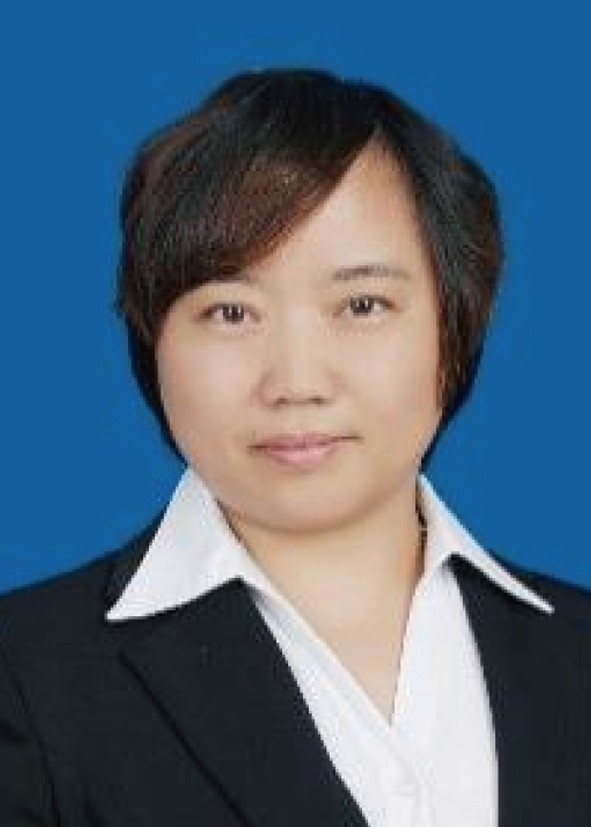 Shujuan Liu received her Ph.D. degree from Fudan University in 2006. She then joined the Key Laboratory for Organic Electronics and Information Displays & Institute of Advanced Materials, Nanjing University of Posts & Telecommunications. Since 2013, she has been a full professor. Her Her research area is organic and flexible electronics.
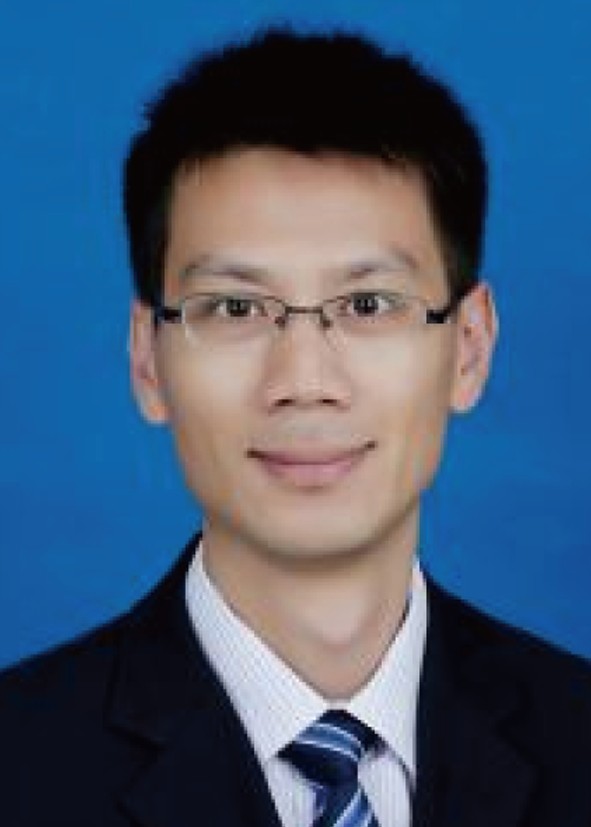 Qiang Zhao received his Ph.D. from Fudan University in 2007. He then became a postdoctoral fellow at Nagoya University of Japan. He joined Nanjing University of Posts and Telecommunications in 2008. He was promoted as a full professor in 2010. His research interests focus on the organic and flexible electronics. Now he is the vice president of Nanjing University of Information Science and Technology. In recent years, he has published more than 200 academic papers in high-impact journals. He was supported by National Funds for Distinguished Young Scientists and some other projects.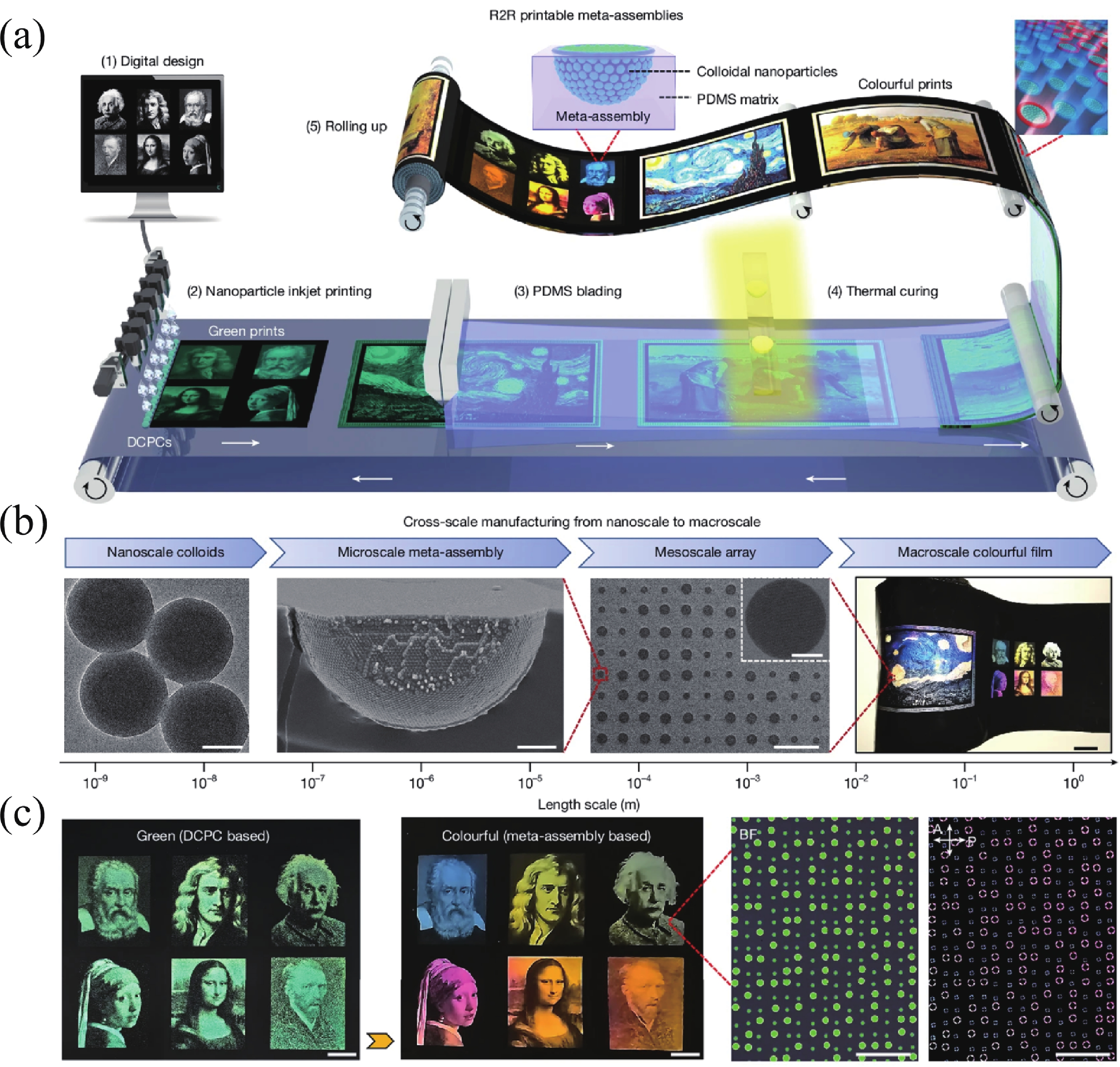
 DownLoad: