Lei Liu, Xiaotian Zhang, Taotao Li, Xinran Wang. In-situ TEM unveils the secrets of two-dimensional material nucleation[J]. Journal of Semiconductors, 2026, 47(7): 070401. doi: 10.1088/1674-4926/26030003 ****L Liu, X T Zhang, T T Li, and X R Wang, In-situ TEM unveils the secrets of two-dimensional material nucleation[J]. J. Semicond., 2026, 47(7): 070401 doi: 10.1088/1674-4926/26030003
| Citation:
|
Lei Liu, Xiaotian Zhang, Taotao Li, Xinran Wang. In-situ TEM unveils the secrets of two-dimensional material nucleation[J]. Journal of Semiconductors, 2026, 47(7): 070401. doi: 10.1088/1674-4926/26030003
****
L Liu, X T Zhang, T T Li, and X R Wang, In-situ TEM unveils the secrets of two-dimensional material nucleation[J]. J. Semicond., 2026, 47(7): 070401 doi: 10.1088/1674-4926/26030003
|
Lei Liu, Xiaotian Zhang, Taotao Li, Xinran Wang. In-situ TEM unveils the secrets of two-dimensional material nucleation[J]. Journal of Semiconductors, 2026, 47(7): 070401. doi: 10.1088/1674-4926/26030003 ****L Liu, X T Zhang, T T Li, and X R Wang, In-situ TEM unveils the secrets of two-dimensional material nucleation[J]. J. Semicond., 2026, 47(7): 070401 doi: 10.1088/1674-4926/26030003
| Citation:
|
Lei Liu, Xiaotian Zhang, Taotao Li, Xinran Wang. In-situ TEM unveils the secrets of two-dimensional material nucleation[J]. Journal of Semiconductors, 2026, 47(7): 070401. doi: 10.1088/1674-4926/26030003
****
L Liu, X T Zhang, T T Li, and X R Wang, In-situ TEM unveils the secrets of two-dimensional material nucleation[J]. J. Semicond., 2026, 47(7): 070401 doi: 10.1088/1674-4926/26030003
|



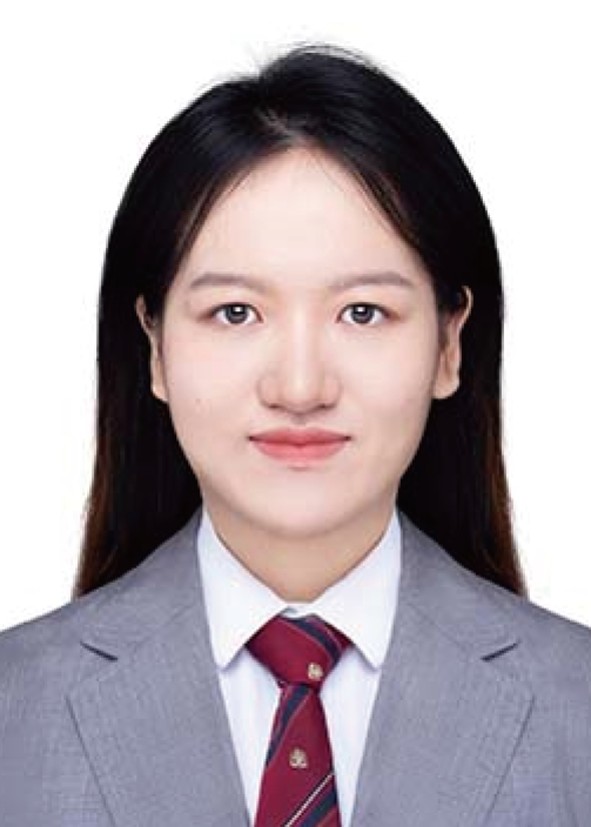 Lei Liu received her Ph.D. degree from the School of Electronic Science and Engineering at Nanjing University. Then, she worked at Suzhou Laboratory as a postdoctoral fellow under the supervision of Professor Xinran Wang. Her research interests relate to the large-scale synthesis of two-dimensional semiconductors.
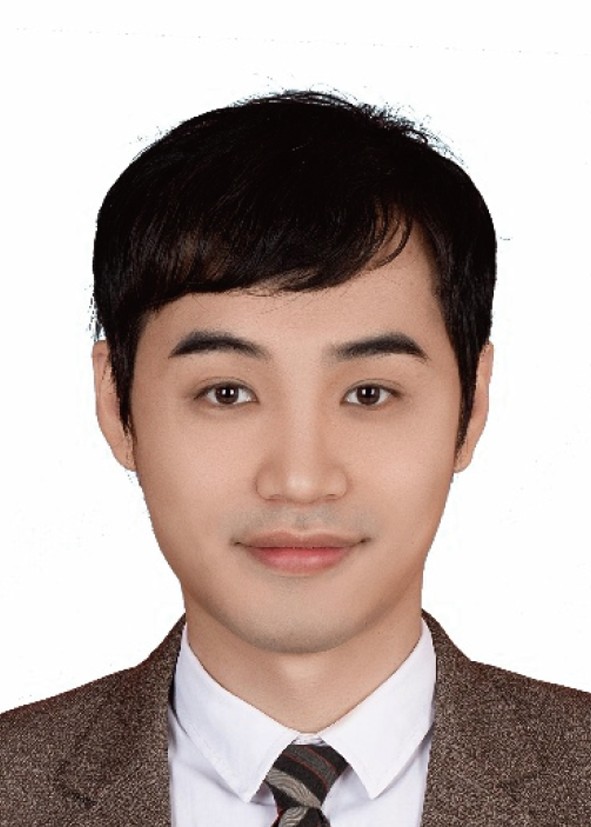 Xiaotian Zhang received his Ph.D. degree from the Materials Science and Engineering department at the Pennsylvania State University, USA, under the supervision of Professor Joan M. Redwing. He worked as a postdoctoral fellow at the Advanced Light Source of Lawrence Berkeley National Laboratory, USA. He is currently a full professor at Suzhou Laboratory in China. He has expertise in the scalable growth of two-dimensional chalcogenide films via metalorganic chemical vapor deposition, and his current research focuses on the synthesis and characterization of emerging functionalized two-dimensional thin films.
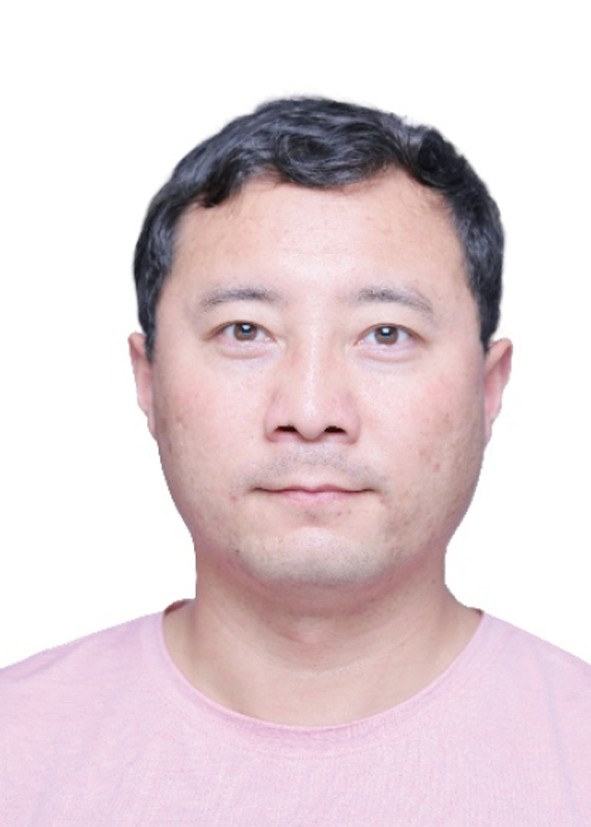 Taotao Li is an Associate Professor at the School of Integrated Circuits, Nanjing University (NJU). He earned his Ph.D. from NJU in 2021, following research experiences at the Chinese Academy of Sciences (CAS, 2012–2016) and Nanyang Technological University (NTU, 2016–2017). His research focuses on the epitaxy, characterization, and applications of 2D semiconductors. He has authored over 60 peer-reviewed papers, accumulating more than 4500 citations.
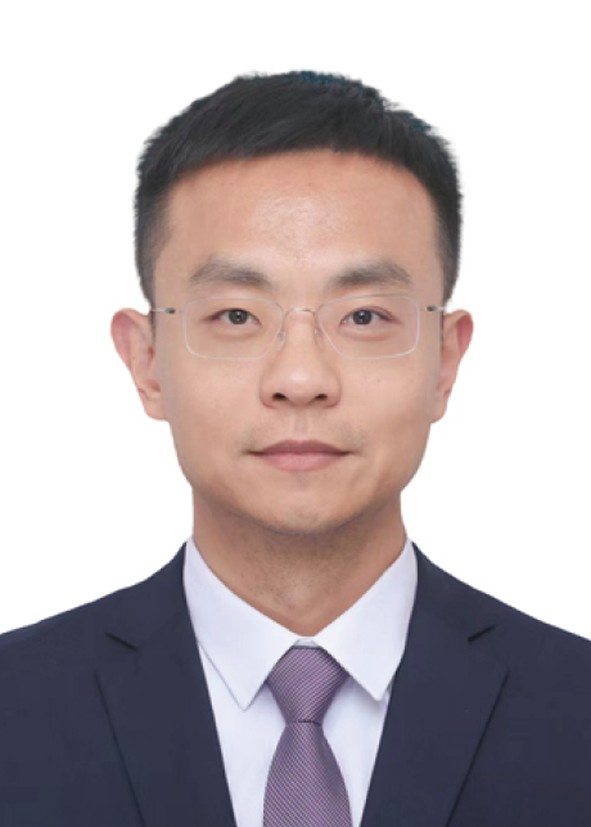 Xinran Wang received his Ph.D. degree from Stanford University, USA. He is currently a professor at the School of Integrated Circuits and the School of Electronic Science and Engineering, Nanjing University, and also leads a research division at the Suzhou Laboratory. His research focuses on next-generation information materials, devices, and integrated circuits.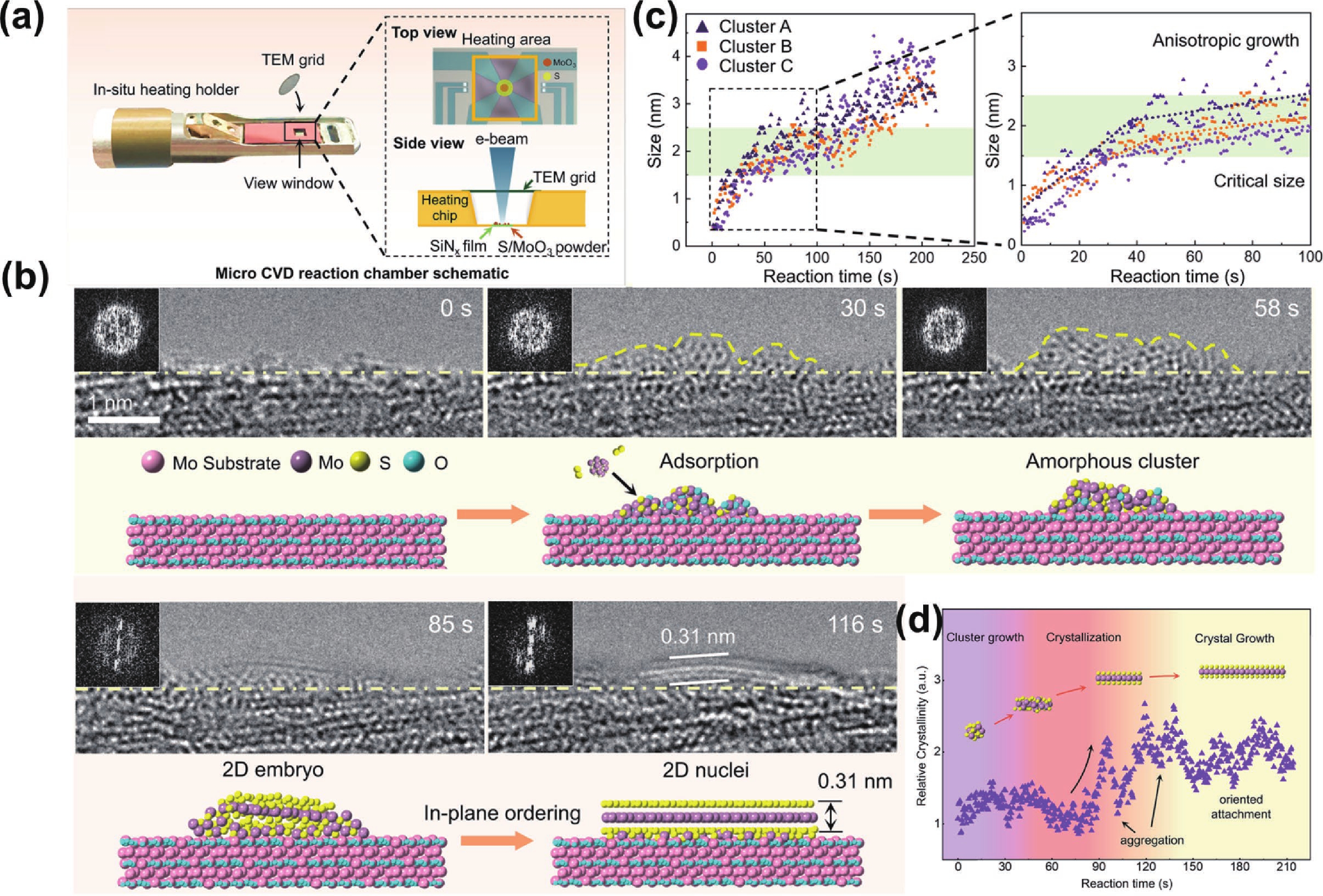
 DownLoad: