

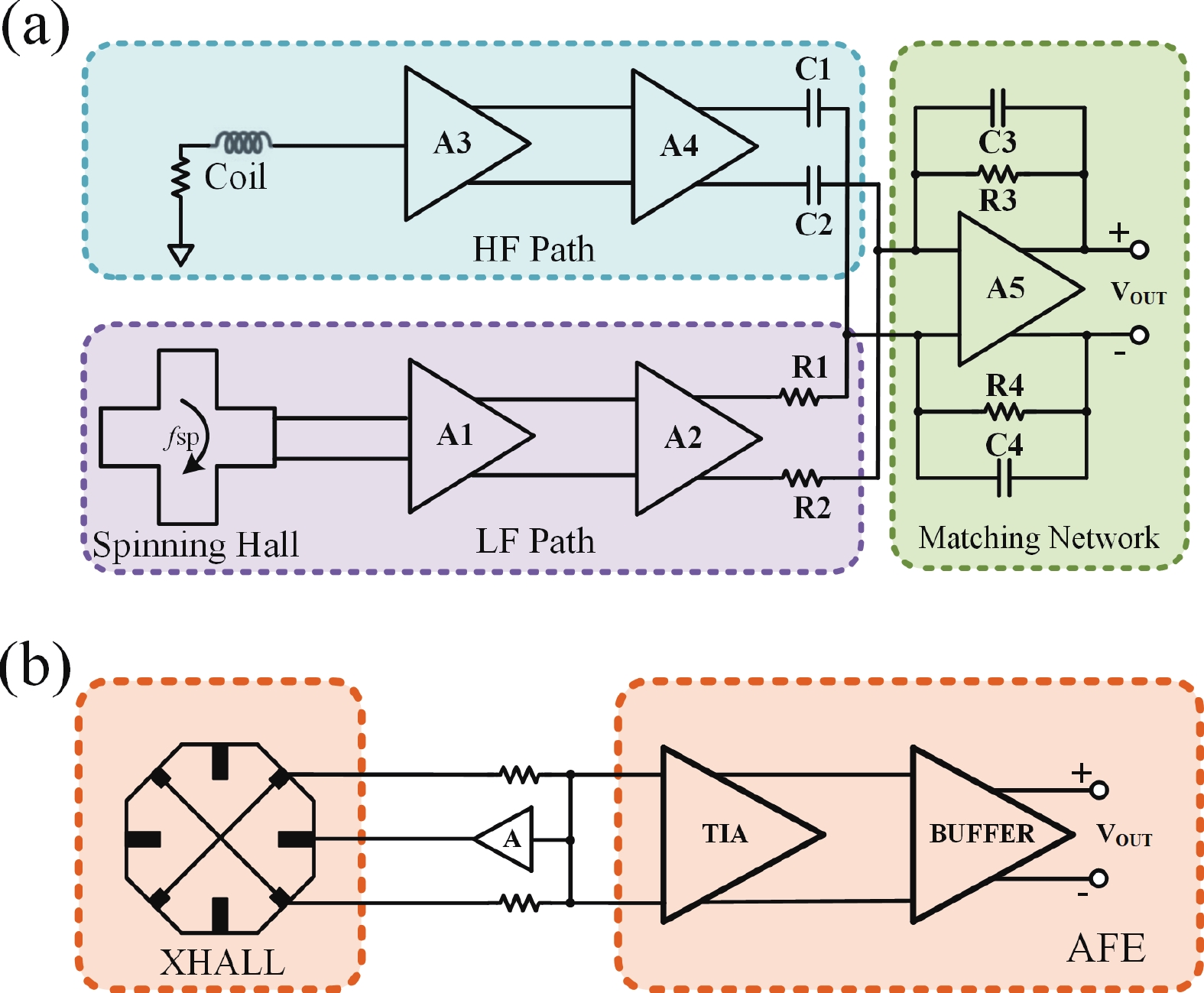
Fig. 1.
(Color online) Comparison of distinct current sensor chip architectures. (a) hybrid "Hall + Coil" multipath configuration, (b) single-channel TIA-based X-Hall topology.
ARTICLES
Lin Zhou1, 2, Haonan Song1, 2, Chengxin Shen1, 2 and Yue Xu1, 2,
Corresponding author: Yue Xu, yuex@njupt.edu.cn
Abstract: This paper presents a reconfigurable eight-contact Hall device fabricated in the 180 nm BCD (Bipolar-CMOS-DMOS) process, providing a cost-effective solution for high-precision and wideband magnetic/current sensing. The device structural design supports two distinct operating modes: static biasing and spinning-current dynamic biasing. For wideband sensing, the static mode utilizes intrinsic orthogonal symmetry to achieve effective static offset cancellation. In contrast, the dynamic mode employs the spinning-current technique to achieve a remarkably low residual offset for high-precision low-frequency detection. To enhance the absolute sensitivity (SA) and ensure electrical matching across both modalities, doping profiles and junction depths are meticulously optimized. Experimental results demonstrate that the device in static mode achieves a high SA of 283 mV/T at 1200 μA, representing an 89% improvement over existing X-Hall devices, with an initial offset standard deviation (σ) of only 0.216 mV. In the dynamic mode, the device yields a matched SA of 281 mV/T and a remarkably low residual offset of 27 μV. Notably, the input resistance remains highly consistent across both modalities (3.14 and 3.32 kΩ). This reconfigurable architecture provides a robust device-level foundation for wideband sensing in demanding power electronic applications.
Keywords: Hall-effect device, low offset, absolute sensitivity (SA), reconfigurable, wideband
| [1] |
Xin Z, Li H, Liu Q, et al. A review of megahertz current sensors for megahertz power converters. IEEE Trans Power Electron, 2022, 37(6): 6720 doi: 10.1109/TPEL.2021.3136871
|
| [2] |
Syeda S F, Crescentini M, Marchesi M, et al. A wideband and low-noise CMOS-integrated X-Hall current sensor operating in current mode. IEEE Trans Instrum Meas, 2023, 72: 2005211 doi: 10.1109/tim.2023.3284055
|
| [3] |
Hassan A, Mahar A, Shetty S, et al. A DC to 25 MHz current sensing interface for Hall-effect sensor. IEEE Sens J, 2024, 24(7): 10316 doi: 10.1109/JSEN.2024.3360462
|
| [4] |
Wang H Y, Hu X, Liu Q F, et al. An on-chip high-speed current sensor applied in the current-mode DC-DC converter. IEEE Trans Power Electron, 2014, 29(9): 4479 doi: 10.1109/TPEL.2014.2302318
|
| [5] |
Salehi Vala S, Basit Mirza A, Luo F. An integrated TMR-based current sensing solution for WBG power modules and converters. IEEE Trans Compon Packag Manuf Technol, 2024, 14(12): 2220 doi: 10.1109/TCPMT.2024.3392483
|
| [6] |
Langmaack N, Tareilus G, Henke M. Novel highly integrated current measurement method for drive inverters. IEEE Applied Power Electronics Conference and Exposition (APEC), 2016: 700 doi: 10.1109/APEC.2016.7467947
|
| [7] |
Fan H, Yue H C, Mao J M, et al. Modelling and fabrication of wide temperature range Al0.24Ga0.76As/GaAs Hall magnetic sensors. J Semicond, 2022, 43(3): 034101 doi: 10.1088/1674-4926/43/3/034101
|
| [8] |
Heidari H, Bonizzoni E, Gatti U, et al. A CMOS current-mode magnetic Hall sensor with integrated front-end. IEEE Trans Circuits Syst I Regul Pap, 2015, 62(5): 1270 doi: 10.1109/TCSI.2015.2415173
|
| [9] |
Crescentini M, Syeda S F, Gibiino G P. Hall-effect current sensors: Principles of operation and implementation techniques. IEEE Sens J, 2022, 22(11): 10137 doi: 10.1109/JSEN.2021.3119766
|
| [10] |
Ajbl A, Pastre M, Kayal M. A fully integrated Hall sensor microsystem for contactless current measurement. IEEE Sens J, 2013, 13(6): 2271 doi: 10.1109/JSEN.2013.2251971
|
| [11] |
Li Y, Motz M, Raghavan L. A fast T&H overcurrent detector for a spinning Hall current sensor with ping-pong and chopping techniques. IEEE J Solid State Circuits, 2019, 54(7): 1852 doi: 10.1109/JSSC.2019.2909161
|
| [12] |
Crescentini M, Marchesi M, Romani A, et al. A broadband, on-chip sensor based on Hall effect for current measurements in smart power circuits. IEEE Trans Instrum Meas, 2018, 67(6): 1470 doi: 10.1109/TIM.2018.2795248
|
| [13] |
Jiang J F, Makinwa K A A. Multipath wide-bandwidth CMOS magnetic sensors. IEEE J Solid State Circuits, 2017, 52(1): 198 doi: 10.1109/JSSC.2016.2619711
|
| [14] |
Jouyaeian A, Fan Q W, Ausserlechner U, et al. A hybrid magnetic current sensor with a dual differential DC servo loop. IEEE J Solid State Circuits, 2023, 58(12): 3442 doi: 10.1109/JSSC.2023.3307471
|
| [15] |
Crescentini M, Ramilli R, Gibiino G P, et al. The X-Hall sensor: Toward integrated broadband current sensing. IEEE Trans Instrum Meas, 2021, 70: 2002412 doi: 10.1109/TIM.2020.3036764
|
| [16] |
Gibiino G P, Marchesi M, Cogliati M, et al. Experimental evaluation of Hall-effect current sensors in BCD10 technology. Measurement, 2023, 220: 113289 doi: 10.1016/j.measurement.2023.113289
|
| [17] |
Zhou L, Li J Q, Li L, et al. A high-sensitivity and low-offset cross-like X-Hall device suitable for broadband magnetic sensors fabricated in 180-nm BCD technology. IEEE Trans Electron Devices, 2024, 71(9): 5652 doi: 10.1109/TED.2024.3423831
|
| [18] |
Zhou L, Shen C X, Xu Y. Sensitivity enhancement and offset reduction in the silicon cross-like Hall device via P-type implant and optimized layout orientation. IEEE Sens J, 2026, 26(6): 8134 doi: 10.1109/JSEN.2026.3658818
|
| [19] |
Shu Z W, Jiang L, Hu X X, et al. An integrated front-end vertical hall magnetic sensor fabricated in 0.18 μm low-voltage CMOS technology. J Semicond, 2022, 43(3): 032402 doi: 10.1088/1674-4926/43/3/032402
|
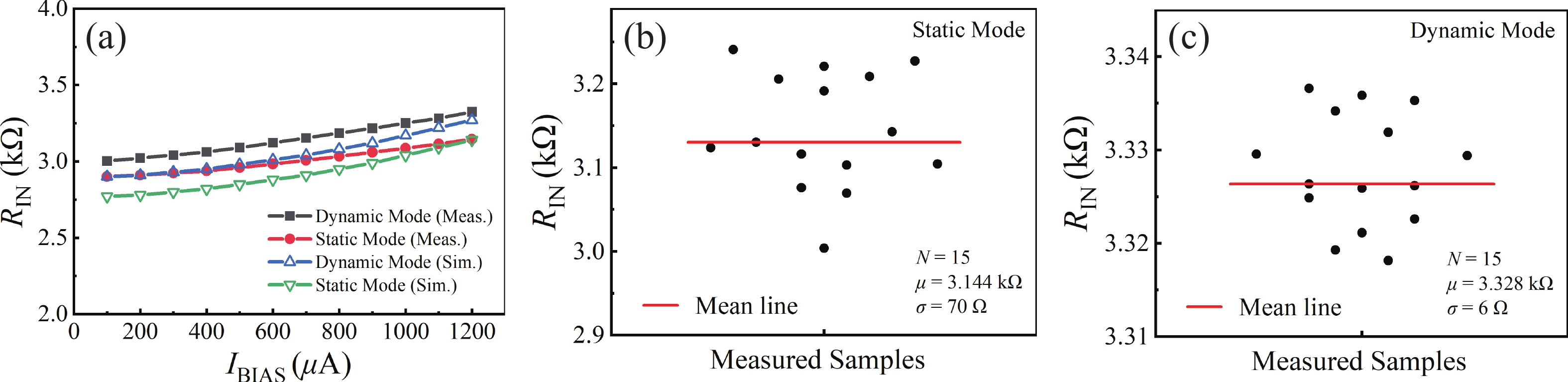
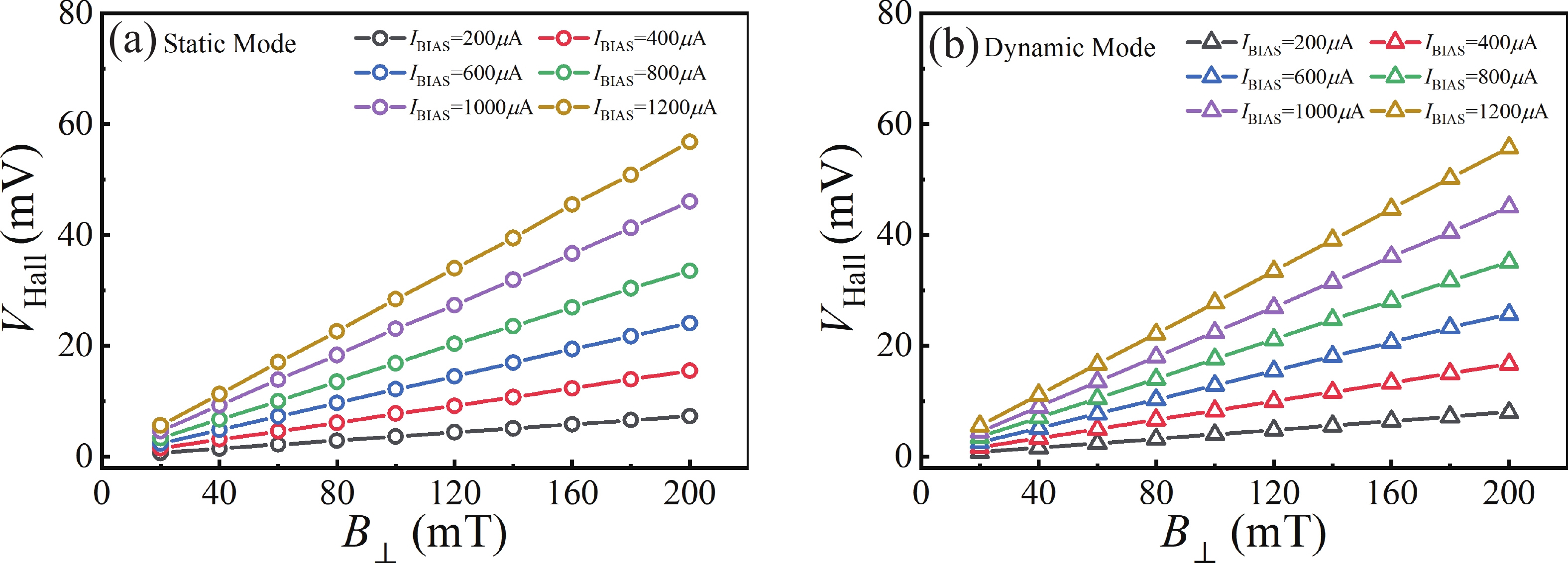
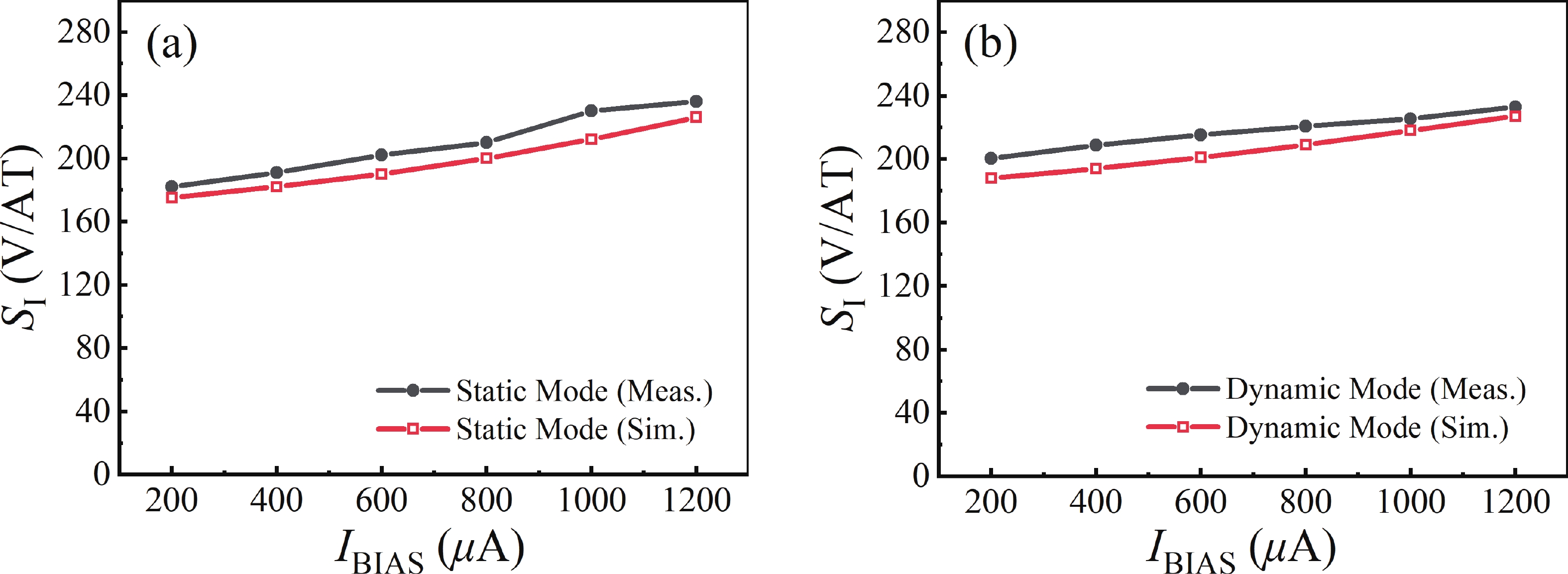
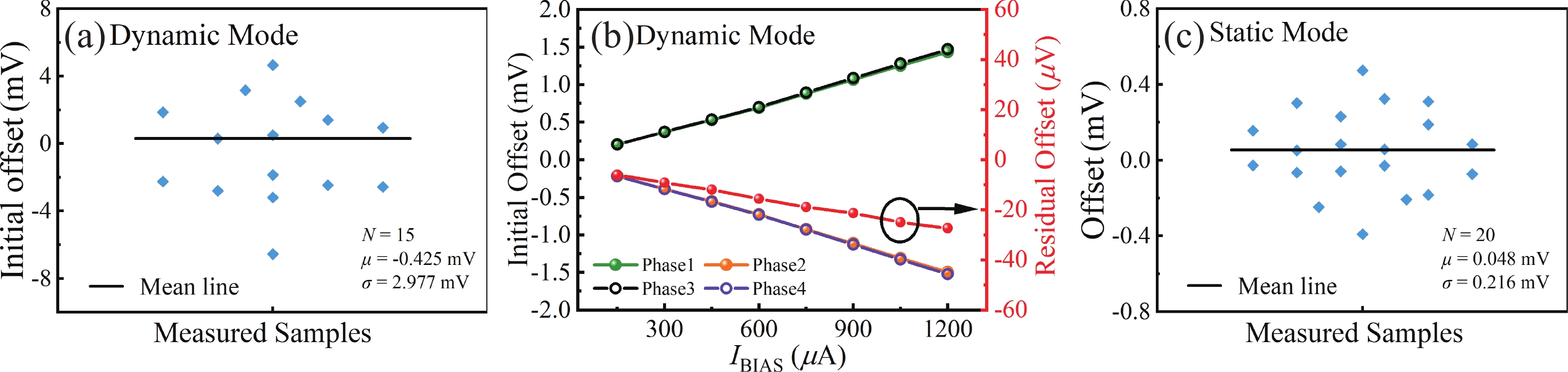
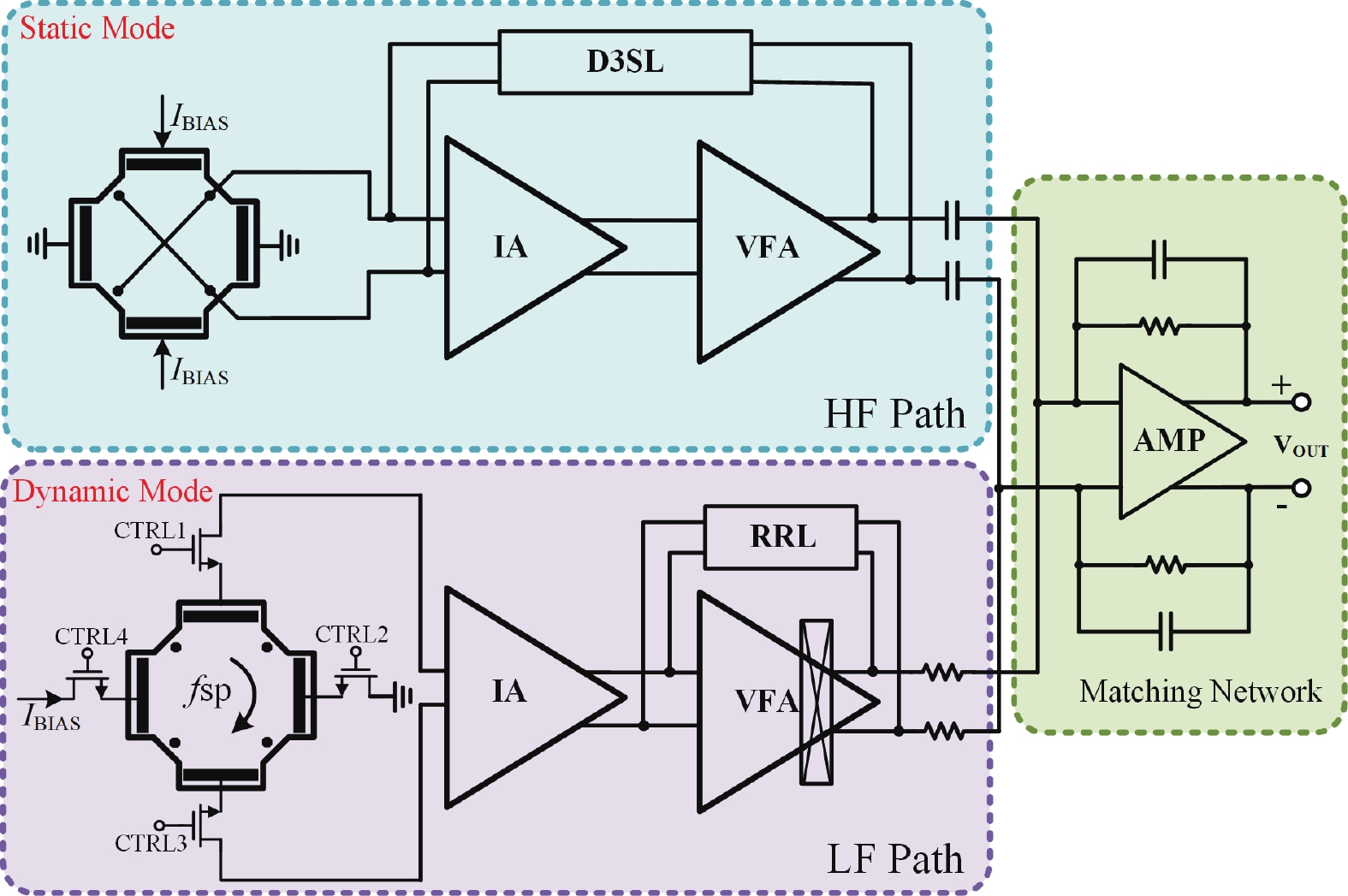
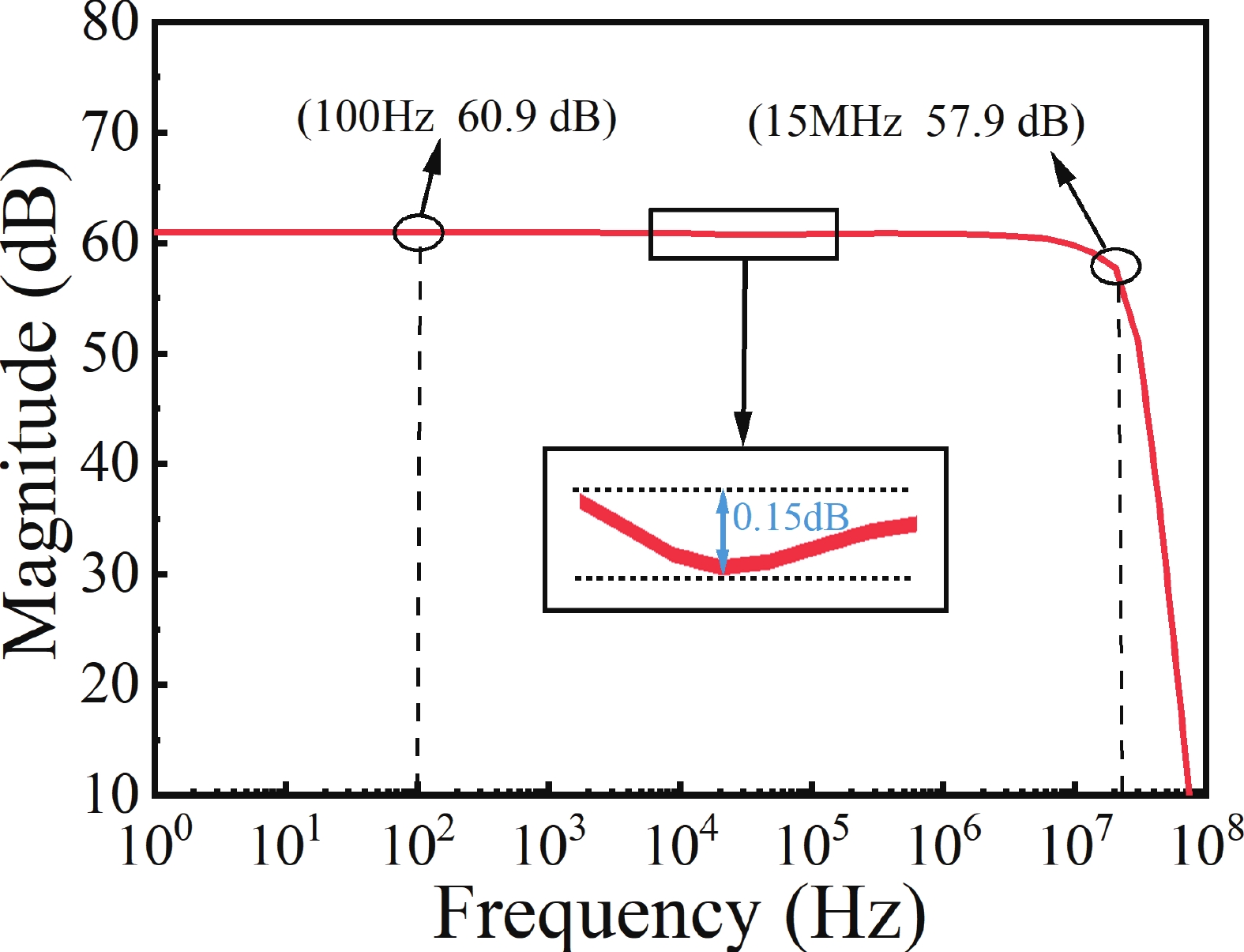
Table 1. Comparison with the state-of-the-art Hall-effect devices.
| Work | Technology | Structure | SI (V/AT) | SA (mV/T) | σ (VOS) (mV) | VRES (μV) |
| Ref. [15] | 160 nm BCD | Octagonal X-Hall | 200 | 115 | 0.700 | / |
| Ref. [16] | 90 nm BCD | Octagonal X-Hall | 260 | 195 | 0.557 | / |
| Ref. [17] | 180 nm BCD | Cross-like X-Hall | 310 | 150 | 0.179 | / |
| Static mode | 180 nm BCD | Eight-contact Hall | 236 | 283 | 0.216 | / |
| Dynamic mode | 180 nm BCD | Eight-contact Hall | 234 | 281 | 2.977 | 27 |
 DownLoad: CSV
| [1] |
Xin Z, Li H, Liu Q, et al. A review of megahertz current sensors for megahertz power converters. IEEE Trans Power Electron, 2022, 37(6): 6720 doi: 10.1109/TPEL.2021.3136871
|
| [2] |
Syeda S F, Crescentini M, Marchesi M, et al. A wideband and low-noise CMOS-integrated X-Hall current sensor operating in current mode. IEEE Trans Instrum Meas, 2023, 72: 2005211 doi: 10.1109/tim.2023.3284055
|
| [3] |
Hassan A, Mahar A, Shetty S, et al. A DC to 25 MHz current sensing interface for Hall-effect sensor. IEEE Sens J, 2024, 24(7): 10316 doi: 10.1109/JSEN.2024.3360462
|
| [4] |
Wang H Y, Hu X, Liu Q F, et al. An on-chip high-speed current sensor applied in the current-mode DC-DC converter. IEEE Trans Power Electron, 2014, 29(9): 4479 doi: 10.1109/TPEL.2014.2302318
|
| [5] |
Salehi Vala S, Basit Mirza A, Luo F. An integrated TMR-based current sensing solution for WBG power modules and converters. IEEE Trans Compon Packag Manuf Technol, 2024, 14(12): 2220 doi: 10.1109/TCPMT.2024.3392483
|
| [6] |
Langmaack N, Tareilus G, Henke M. Novel highly integrated current measurement method for drive inverters. IEEE Applied Power Electronics Conference and Exposition (APEC), 2016: 700 doi: 10.1109/APEC.2016.7467947
|
| [7] |
Fan H, Yue H C, Mao J M, et al. Modelling and fabrication of wide temperature range Al0.24Ga0.76As/GaAs Hall magnetic sensors. J Semicond, 2022, 43(3): 034101 doi: 10.1088/1674-4926/43/3/034101
|
| [8] |
Heidari H, Bonizzoni E, Gatti U, et al. A CMOS current-mode magnetic Hall sensor with integrated front-end. IEEE Trans Circuits Syst I Regul Pap, 2015, 62(5): 1270 doi: 10.1109/TCSI.2015.2415173
|
| [9] |
Crescentini M, Syeda S F, Gibiino G P. Hall-effect current sensors: Principles of operation and implementation techniques. IEEE Sens J, 2022, 22(11): 10137 doi: 10.1109/JSEN.2021.3119766
|
| [10] |
Ajbl A, Pastre M, Kayal M. A fully integrated Hall sensor microsystem for contactless current measurement. IEEE Sens J, 2013, 13(6): 2271 doi: 10.1109/JSEN.2013.2251971
|
| [11] |
Li Y, Motz M, Raghavan L. A fast T&H overcurrent detector for a spinning Hall current sensor with ping-pong and chopping techniques. IEEE J Solid State Circuits, 2019, 54(7): 1852 doi: 10.1109/JSSC.2019.2909161
|
| [12] |
Crescentini M, Marchesi M, Romani A, et al. A broadband, on-chip sensor based on Hall effect for current measurements in smart power circuits. IEEE Trans Instrum Meas, 2018, 67(6): 1470 doi: 10.1109/TIM.2018.2795248
|
| [13] |
Jiang J F, Makinwa K A A. Multipath wide-bandwidth CMOS magnetic sensors. IEEE J Solid State Circuits, 2017, 52(1): 198 doi: 10.1109/JSSC.2016.2619711
|
| [14] |
Jouyaeian A, Fan Q W, Ausserlechner U, et al. A hybrid magnetic current sensor with a dual differential DC servo loop. IEEE J Solid State Circuits, 2023, 58(12): 3442 doi: 10.1109/JSSC.2023.3307471
|
| [15] |
Crescentini M, Ramilli R, Gibiino G P, et al. The X-Hall sensor: Toward integrated broadband current sensing. IEEE Trans Instrum Meas, 2021, 70: 2002412 doi: 10.1109/TIM.2020.3036764
|
| [16] |
Gibiino G P, Marchesi M, Cogliati M, et al. Experimental evaluation of Hall-effect current sensors in BCD10 technology. Measurement, 2023, 220: 113289 doi: 10.1016/j.measurement.2023.113289
|
| [17] |
Zhou L, Li J Q, Li L, et al. A high-sensitivity and low-offset cross-like X-Hall device suitable for broadband magnetic sensors fabricated in 180-nm BCD technology. IEEE Trans Electron Devices, 2024, 71(9): 5652 doi: 10.1109/TED.2024.3423831
|
| [18] |
Zhou L, Shen C X, Xu Y. Sensitivity enhancement and offset reduction in the silicon cross-like Hall device via P-type implant and optimized layout orientation. IEEE Sens J, 2026, 26(6): 8134 doi: 10.1109/JSEN.2026.3658818
|
| [19] |
Shu Z W, Jiang L, Hu X X, et al. An integrated front-end vertical hall magnetic sensor fabricated in 0.18 μm low-voltage CMOS technology. J Semicond, 2022, 43(3): 032402 doi: 10.1088/1674-4926/43/3/032402
|





Article views: 207 Times PDF downloads: 67 Times Cited by: 0 Times
Received: 07 March 2025 Revised: 07 April 2026 Online: Accepted Manuscript: 09 June 2026Uncorrected proof: 29 July 2026
| Citation: |
Lin Zhou, Haonan Song, Chengxin Shen, Yue Xu. A reconfigurable low-offset eight-contact Hall device in 180 nm BCD process[J]. Journal of Semiconductors, 2026, In Press. doi: 10.1088/1674-4926/26040007
****
L Zhou, H N Song, C X Shen, and Y Xu, A reconfigurable low-offset eight-contact Hall device in 180 nm BCD process[J]. J. Semicond., 2026, accepted doi: 10.1088/1674-4926/26040007

|
 Lin Zhou received a B.S. degree in electronic science and technology from Nanjing University of Posts and Telecommunications, Nanjing, China, in 2022, where he is currently pursuing a Ph.D. degree. His research interests are in CMOS devices and mixed-signal integrated circuit design, including Hall devices and Hall sensor signal conditioning circuits
 Yue Xu received a Ph.D. degree in microelectronics and solid-state electronics from Nanjing University, China, in 2012. He is currently a professor at the Nanjing University of Posts and Telecommunications, Nanjing, China. His main research interests include the CMOS detector, analog-integrated circuit design, and device reliability
| [1] |
Xin Z, Li H, Liu Q, et al. A review of megahertz current sensors for megahertz power converters. IEEE Trans Power Electron, 2022, 37(6): 6720 doi: 10.1109/TPEL.2021.3136871
|
| [2] |
Syeda S F, Crescentini M, Marchesi M, et al. A wideband and low-noise CMOS-integrated X-Hall current sensor operating in current mode. IEEE Trans Instrum Meas, 2023, 72: 2005211 doi: 10.1109/tim.2023.3284055
|
| [3] |
Hassan A, Mahar A, Shetty S, et al. A DC to 25 MHz current sensing interface for Hall-effect sensor. IEEE Sens J, 2024, 24(7): 10316 doi: 10.1109/JSEN.2024.3360462
|
| [4] |
Wang H Y, Hu X, Liu Q F, et al. An on-chip high-speed current sensor applied in the current-mode DC-DC converter. IEEE Trans Power Electron, 2014, 29(9): 4479 doi: 10.1109/TPEL.2014.2302318
|
| [5] |
Salehi Vala S, Basit Mirza A, Luo F. An integrated TMR-based current sensing solution for WBG power modules and converters. IEEE Trans Compon Packag Manuf Technol, 2024, 14(12): 2220 doi: 10.1109/TCPMT.2024.3392483
|
| [6] |
Langmaack N, Tareilus G, Henke M. Novel highly integrated current measurement method for drive inverters. IEEE Applied Power Electronics Conference and Exposition (APEC), 2016: 700 doi: 10.1109/APEC.2016.7467947
|
| [7] |
Fan H, Yue H C, Mao J M, et al. Modelling and fabrication of wide temperature range Al0.24Ga0.76As/GaAs Hall magnetic sensors. J Semicond, 2022, 43(3): 034101 doi: 10.1088/1674-4926/43/3/034101
|
| [8] |
Heidari H, Bonizzoni E, Gatti U, et al. A CMOS current-mode magnetic Hall sensor with integrated front-end. IEEE Trans Circuits Syst I Regul Pap, 2015, 62(5): 1270 doi: 10.1109/TCSI.2015.2415173
|
| [9] |
Crescentini M, Syeda S F, Gibiino G P. Hall-effect current sensors: Principles of operation and implementation techniques. IEEE Sens J, 2022, 22(11): 10137 doi: 10.1109/JSEN.2021.3119766
|
| [10] |
Ajbl A, Pastre M, Kayal M. A fully integrated Hall sensor microsystem for contactless current measurement. IEEE Sens J, 2013, 13(6): 2271 doi: 10.1109/JSEN.2013.2251971
|
| [11] |
Li Y, Motz M, Raghavan L. A fast T&H overcurrent detector for a spinning Hall current sensor with ping-pong and chopping techniques. IEEE J Solid State Circuits, 2019, 54(7): 1852 doi: 10.1109/JSSC.2019.2909161
|
| [12] |
Crescentini M, Marchesi M, Romani A, et al. A broadband, on-chip sensor based on Hall effect for current measurements in smart power circuits. IEEE Trans Instrum Meas, 2018, 67(6): 1470 doi: 10.1109/TIM.2018.2795248
|
| [13] |
Jiang J F, Makinwa K A A. Multipath wide-bandwidth CMOS magnetic sensors. IEEE J Solid State Circuits, 2017, 52(1): 198 doi: 10.1109/JSSC.2016.2619711
|
| [14] |
Jouyaeian A, Fan Q W, Ausserlechner U, et al. A hybrid magnetic current sensor with a dual differential DC servo loop. IEEE J Solid State Circuits, 2023, 58(12): 3442 doi: 10.1109/JSSC.2023.3307471
|
| [15] |
Crescentini M, Ramilli R, Gibiino G P, et al. The X-Hall sensor: Toward integrated broadband current sensing. IEEE Trans Instrum Meas, 2021, 70: 2002412 doi: 10.1109/TIM.2020.3036764
|
| [16] |
Gibiino G P, Marchesi M, Cogliati M, et al. Experimental evaluation of Hall-effect current sensors in BCD10 technology. Measurement, 2023, 220: 113289 doi: 10.1016/j.measurement.2023.113289
|
| [17] |
Zhou L, Li J Q, Li L, et al. A high-sensitivity and low-offset cross-like X-Hall device suitable for broadband magnetic sensors fabricated in 180-nm BCD technology. IEEE Trans Electron Devices, 2024, 71(9): 5652 doi: 10.1109/TED.2024.3423831
|
| [18] |
Zhou L, Shen C X, Xu Y. Sensitivity enhancement and offset reduction in the silicon cross-like Hall device via P-type implant and optimized layout orientation. IEEE Sens J, 2026, 26(6): 8134 doi: 10.1109/JSEN.2026.3658818
|
| [19] |
Shu Z W, Jiang L, Hu X X, et al. An integrated front-end vertical hall magnetic sensor fabricated in 0.18 μm low-voltage CMOS technology. J Semicond, 2022, 43(3): 032402 doi: 10.1088/1674-4926/43/3/032402
|

 WeChat ID
Journal of Semiconductors © 2017 All Rights Reserved 京ICP备05085259号-2