

Issue Browser
Volume 47, Issue 8,
Aug 2026
J. Semicond.
2026, 47(8): 081601 doi: 10.1088/1674-4926/26050025

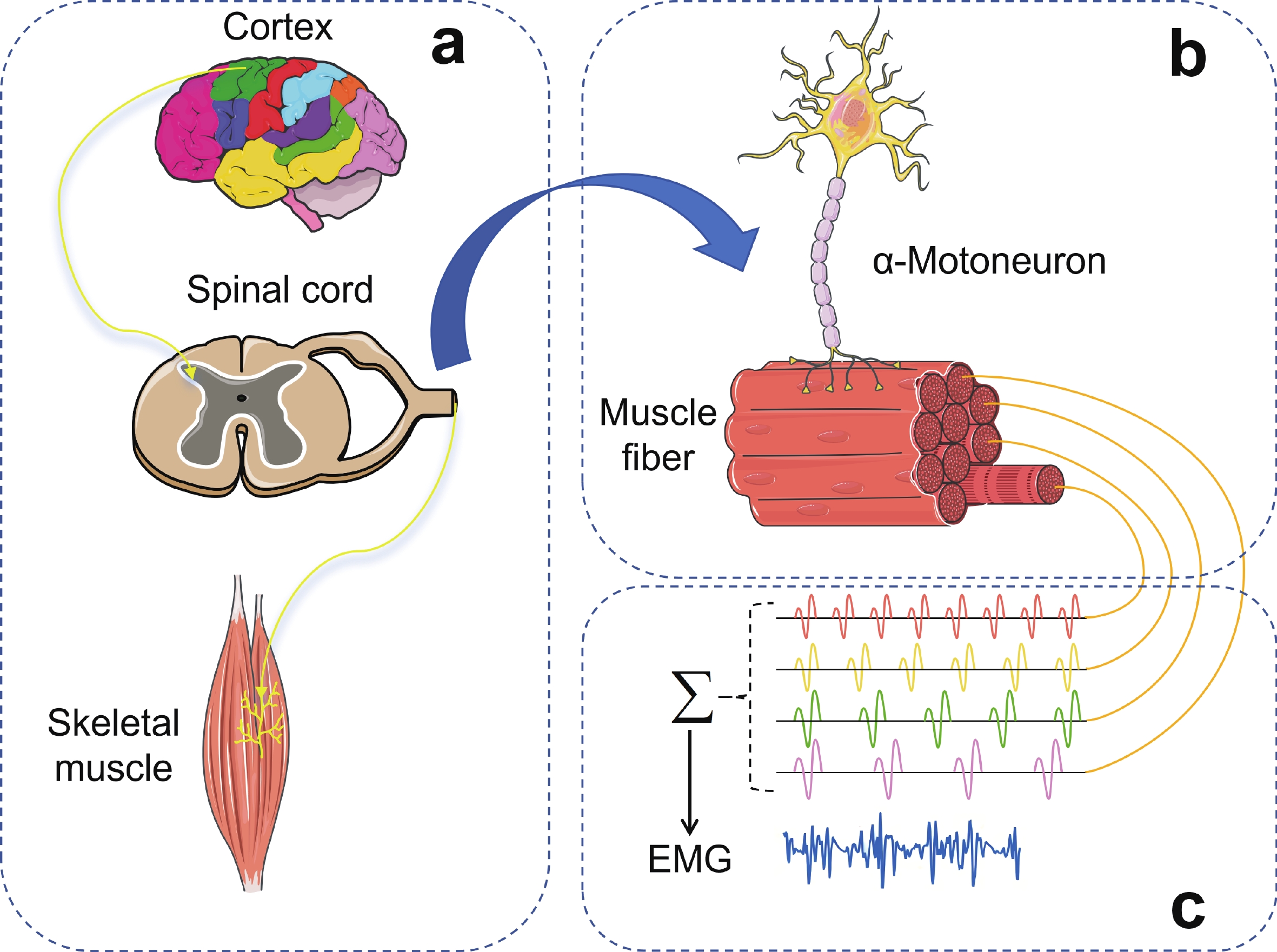
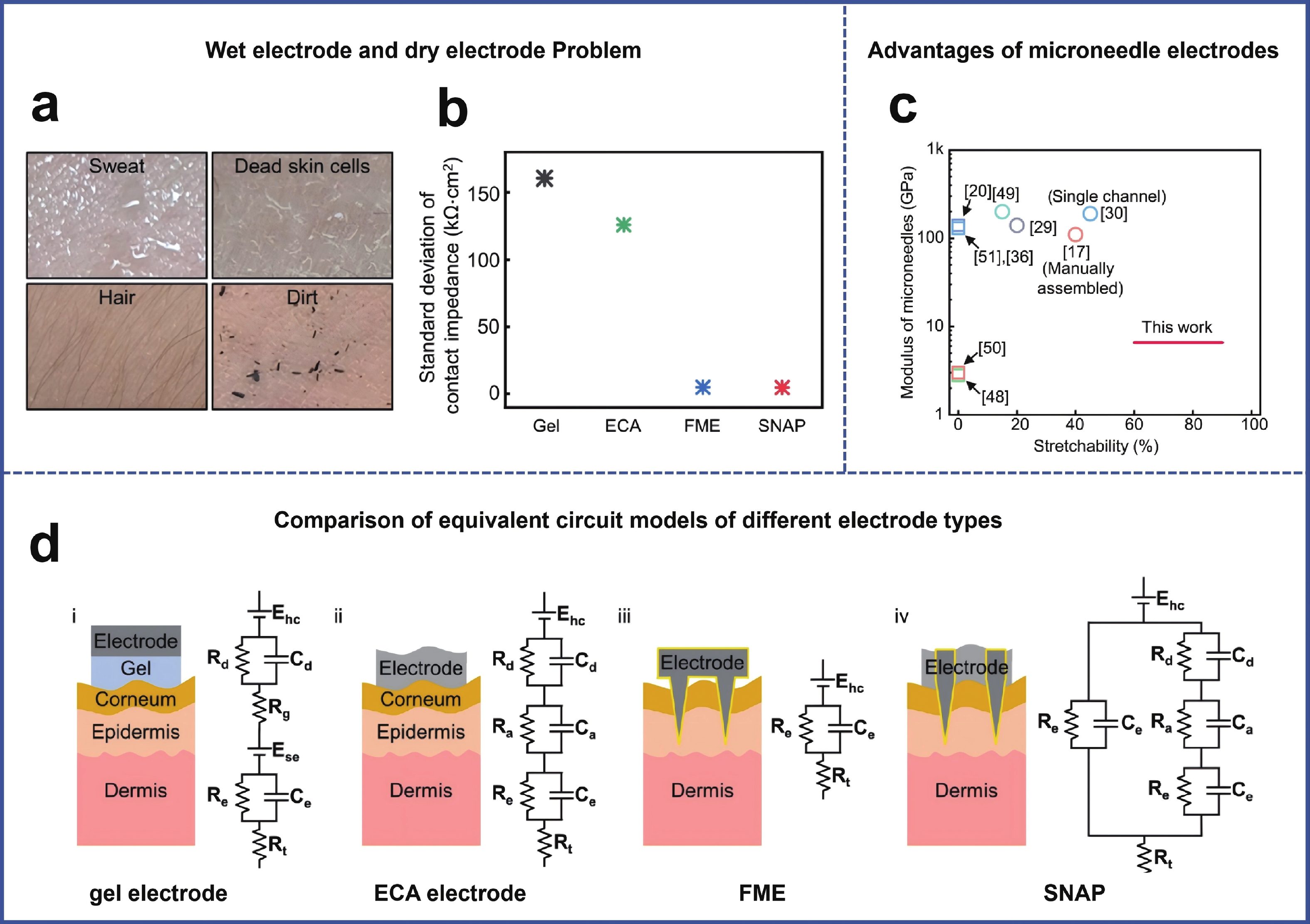
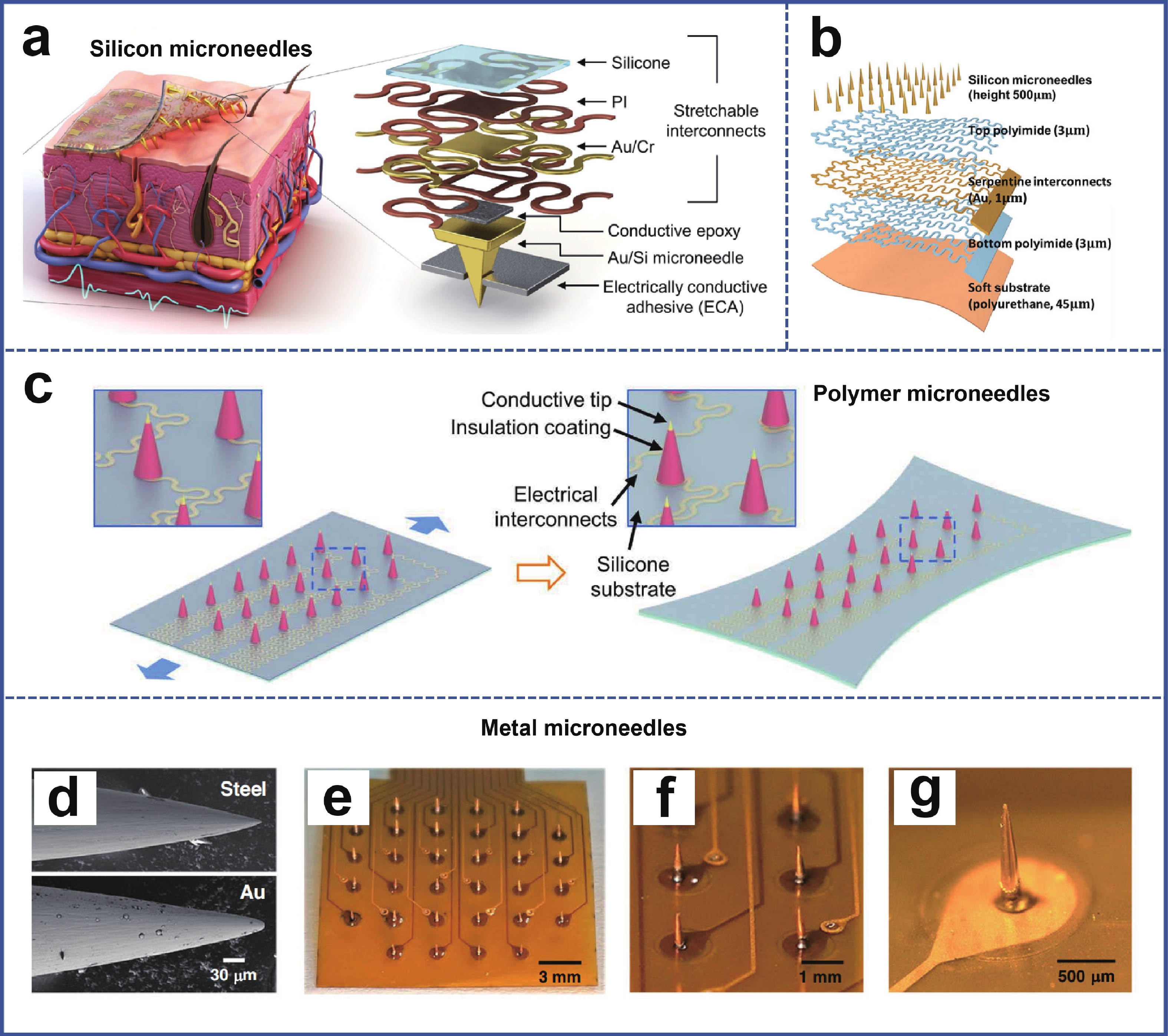
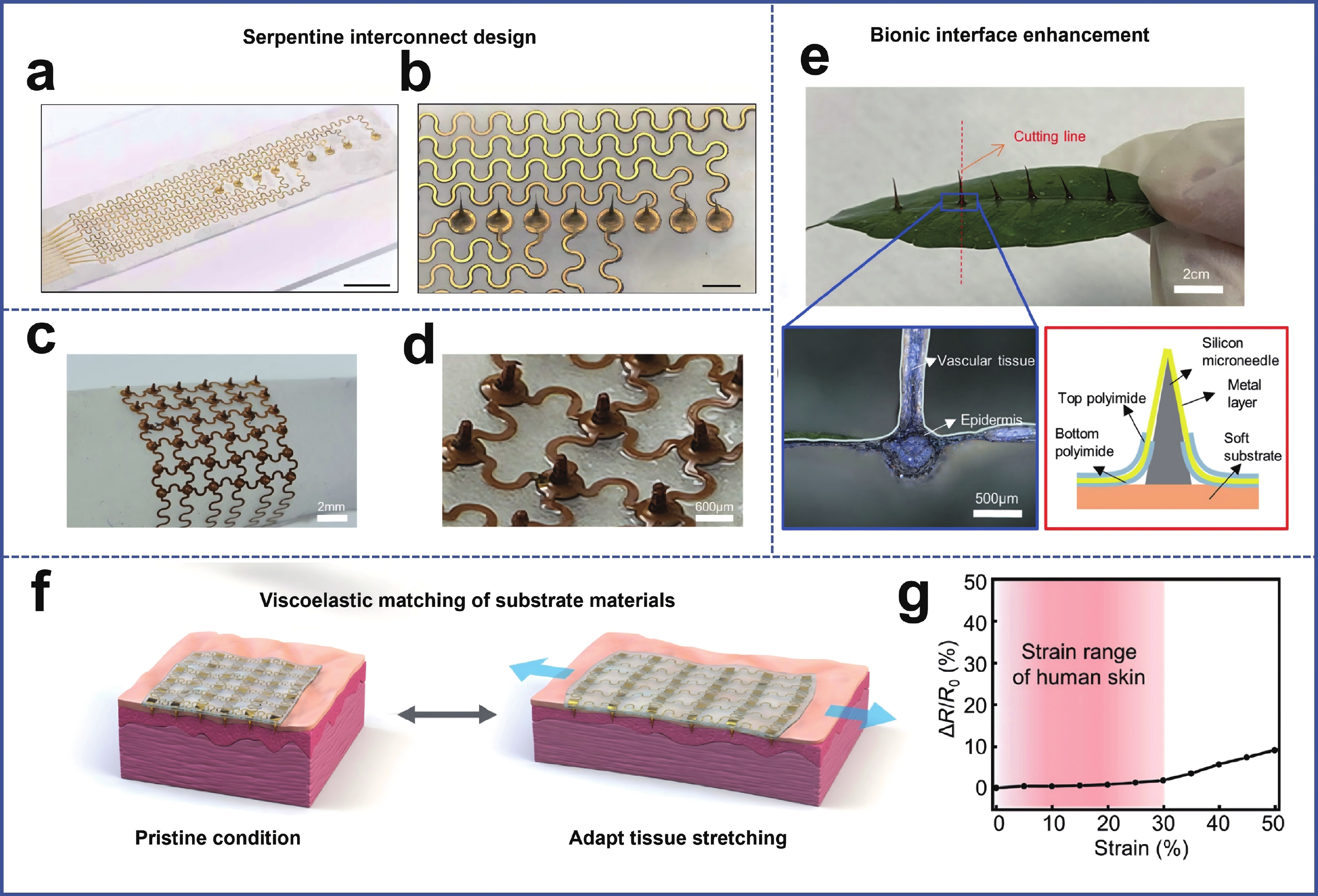
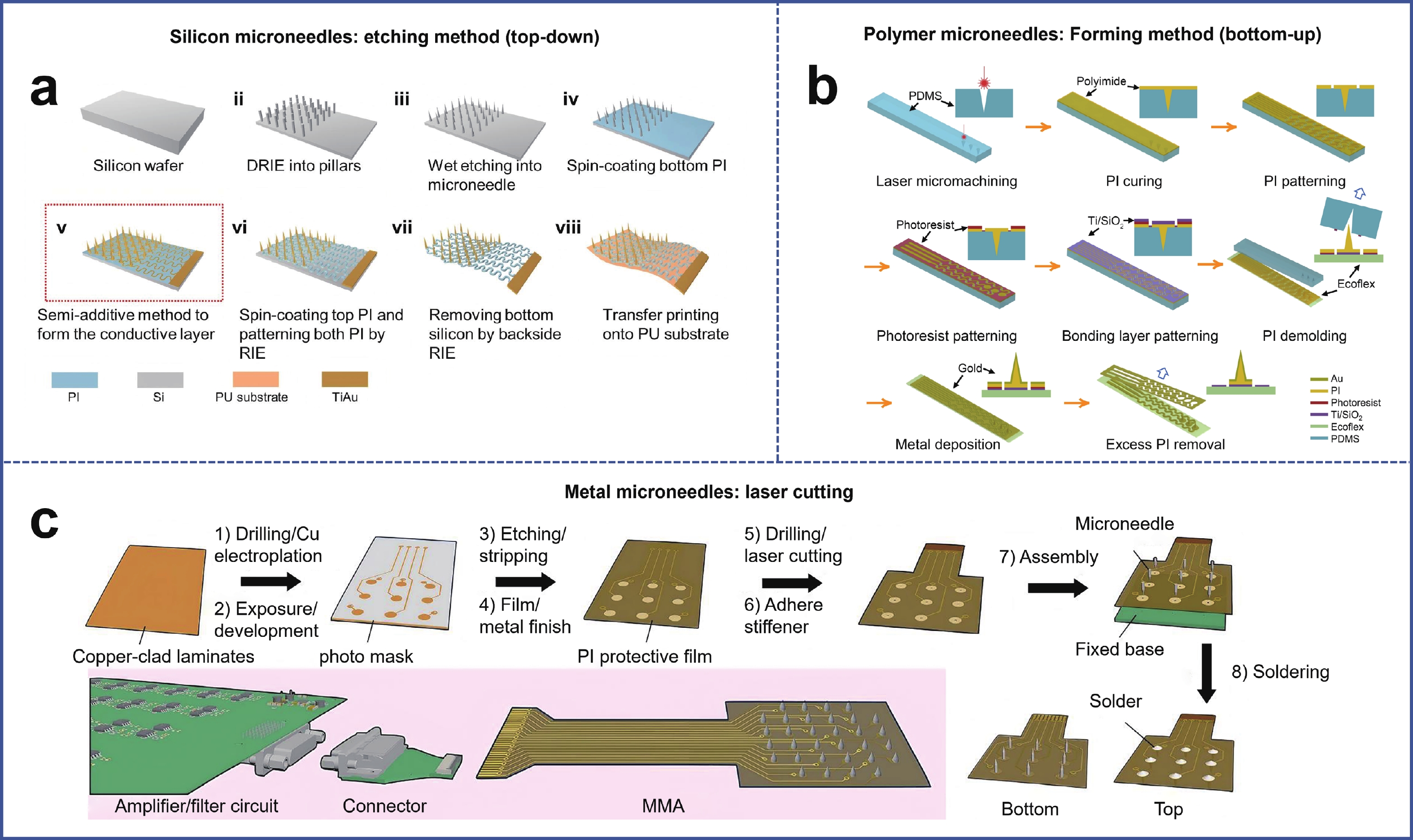
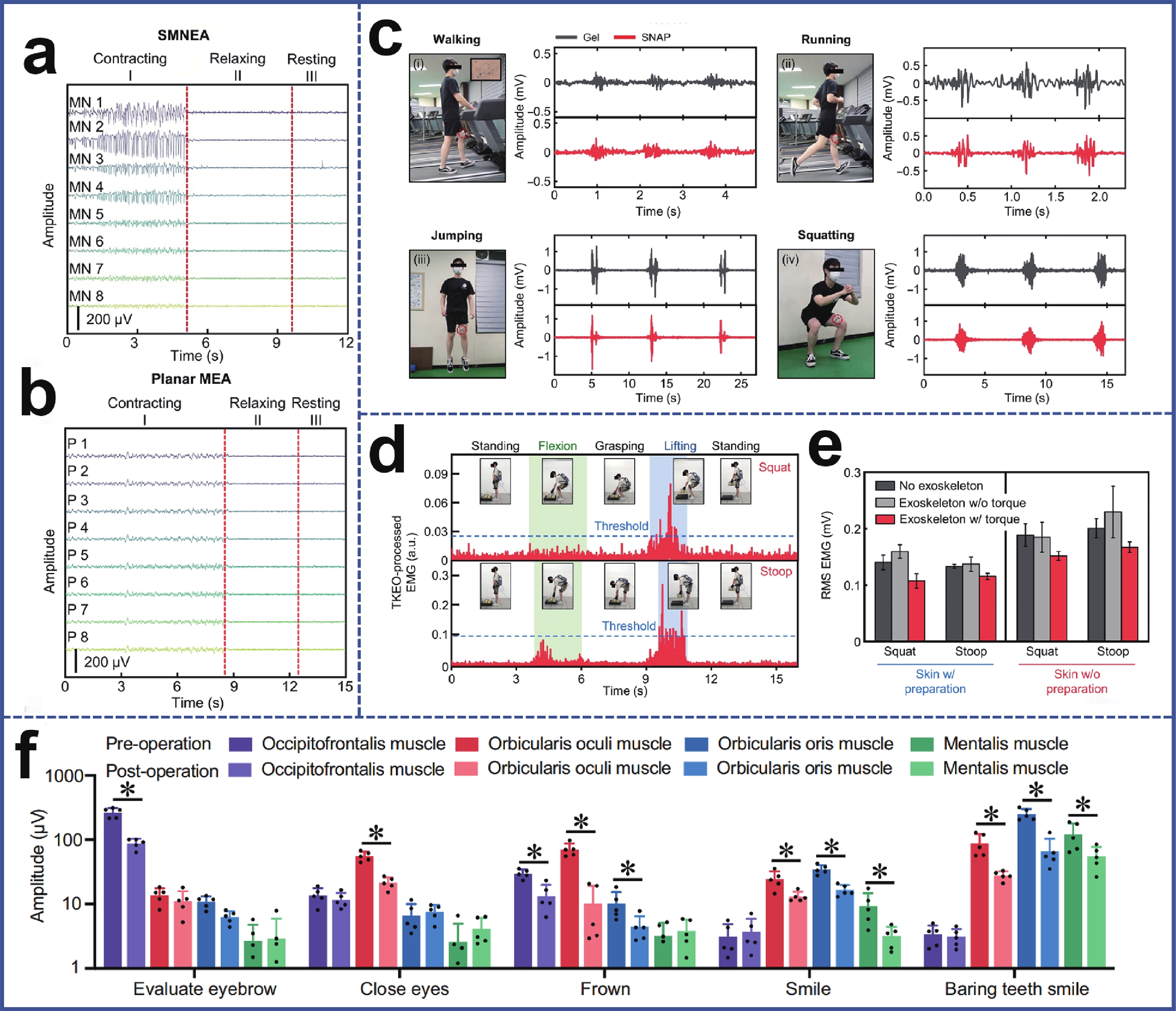
Electromyography (EMG) is widely used in sports rehabilitation to evaluate muscle activation, coordination, fatigue, and functional recovery, yet reliable recording remains limited by the electrode-skin interface during repeated motion and prolonged wear. Microneedle electrodes offer a distinct interface strategy by penetrating the stratum corneum and forming lower-impedance, more stable electrical contact than conventional wet or dry electrodes. This review discusses microneedle electrodes for EMG acquisition in sports rehabilitation from a design-to-application perspective. We first clarify the interface requirements of EMG recording in rehabilitation settings and the technical rationale for using microneedle interfaces. We then summarize material and structural design strategies in silicon-, polymer-, and metal-based systems, focusing on how they balance penetration capability, mechanical compliance, stretchability, conductivity, and recording stability. Fabrication routes are further examined in terms of material-structure-process coupling, followed by applications in static assessment, dynamic motion monitoring, and clinical rehabilitation evaluation. This review integrates interface requirements, design, manufacturing, and validation to provide a structured overview of microneedle EMG electrodes' capabilities and limitations for sports rehabilitation.
J. Semicond.
2026, 47(8): 081602 doi: 10.1088/1674-4926/26030022
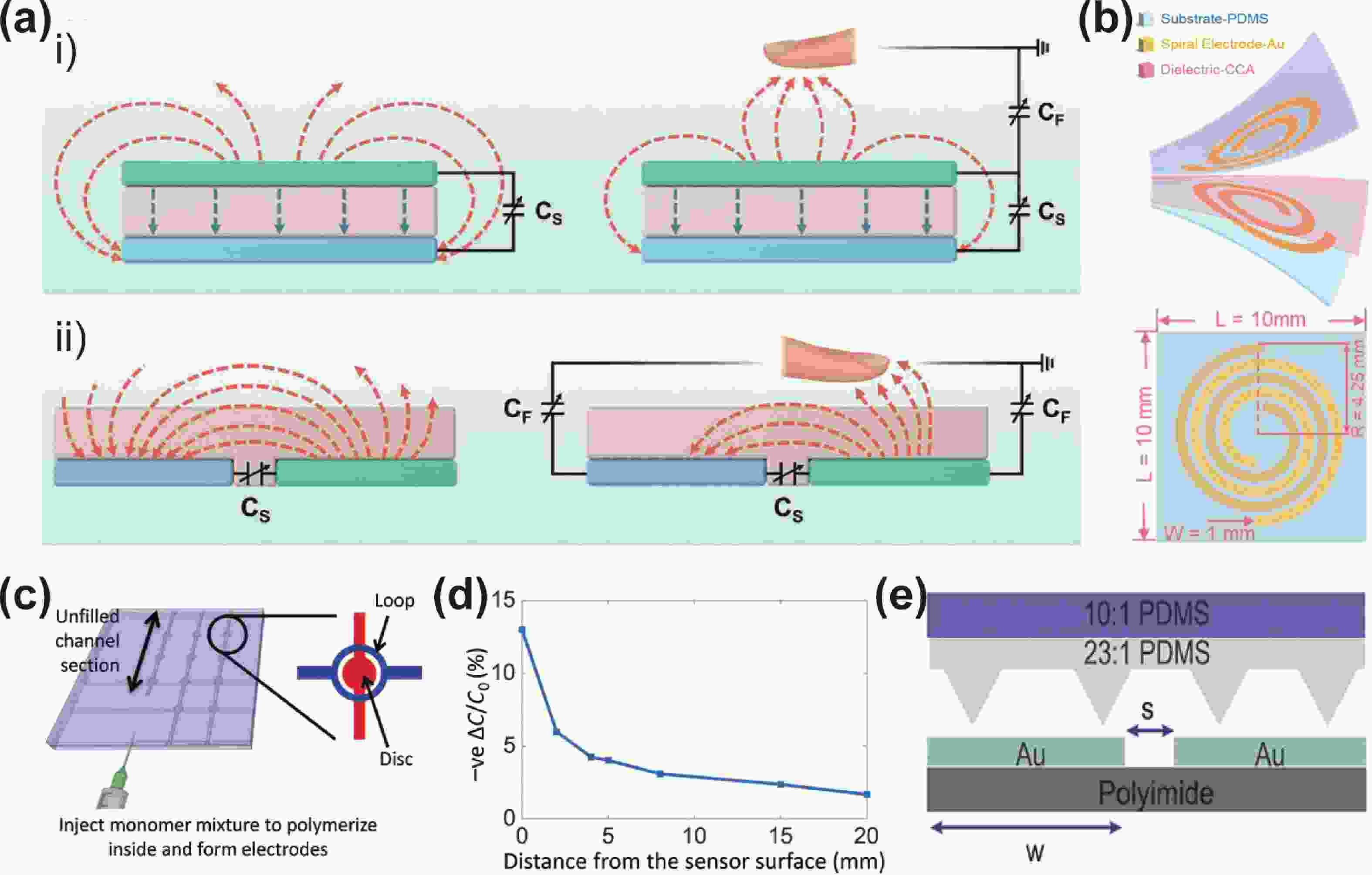
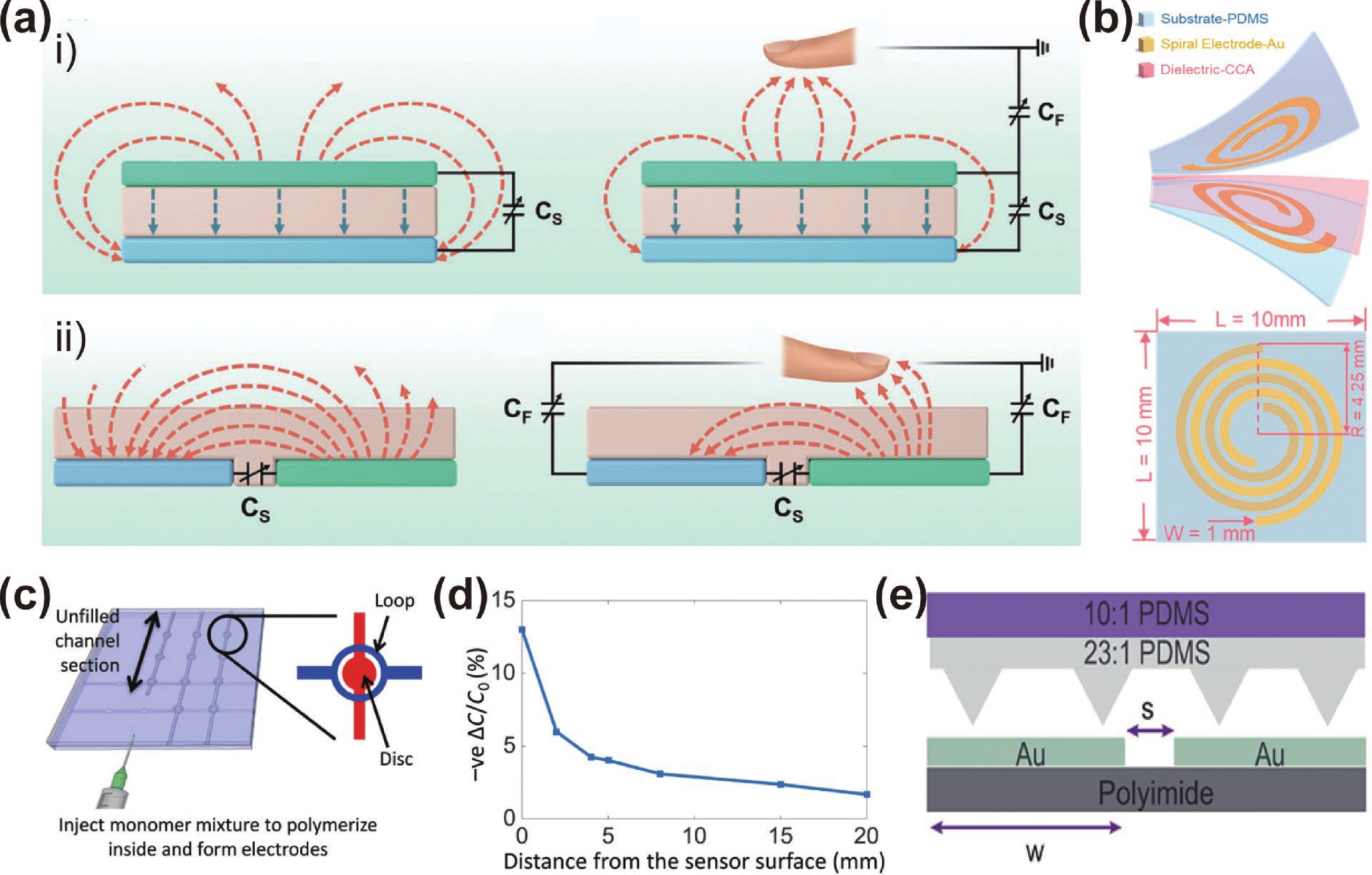
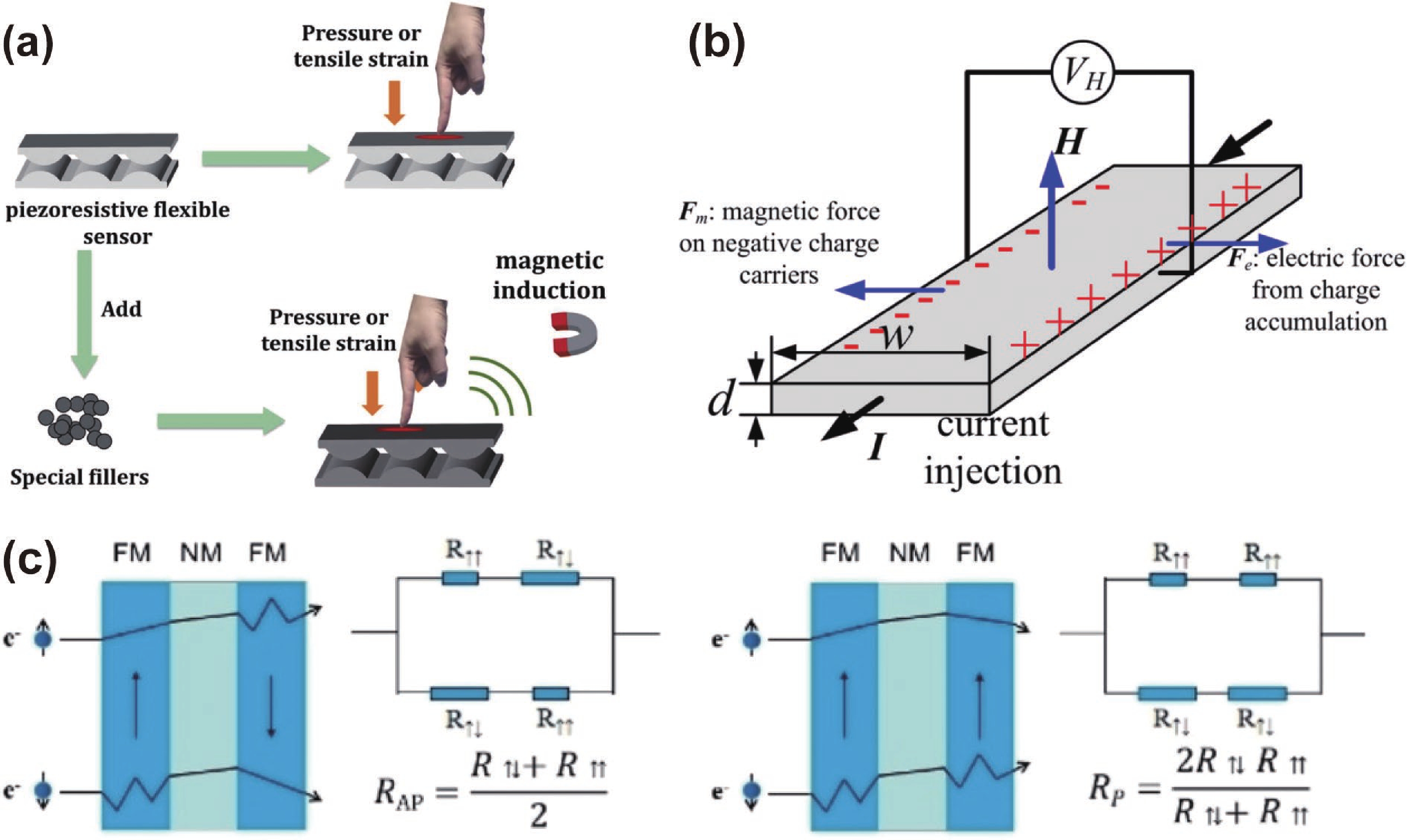
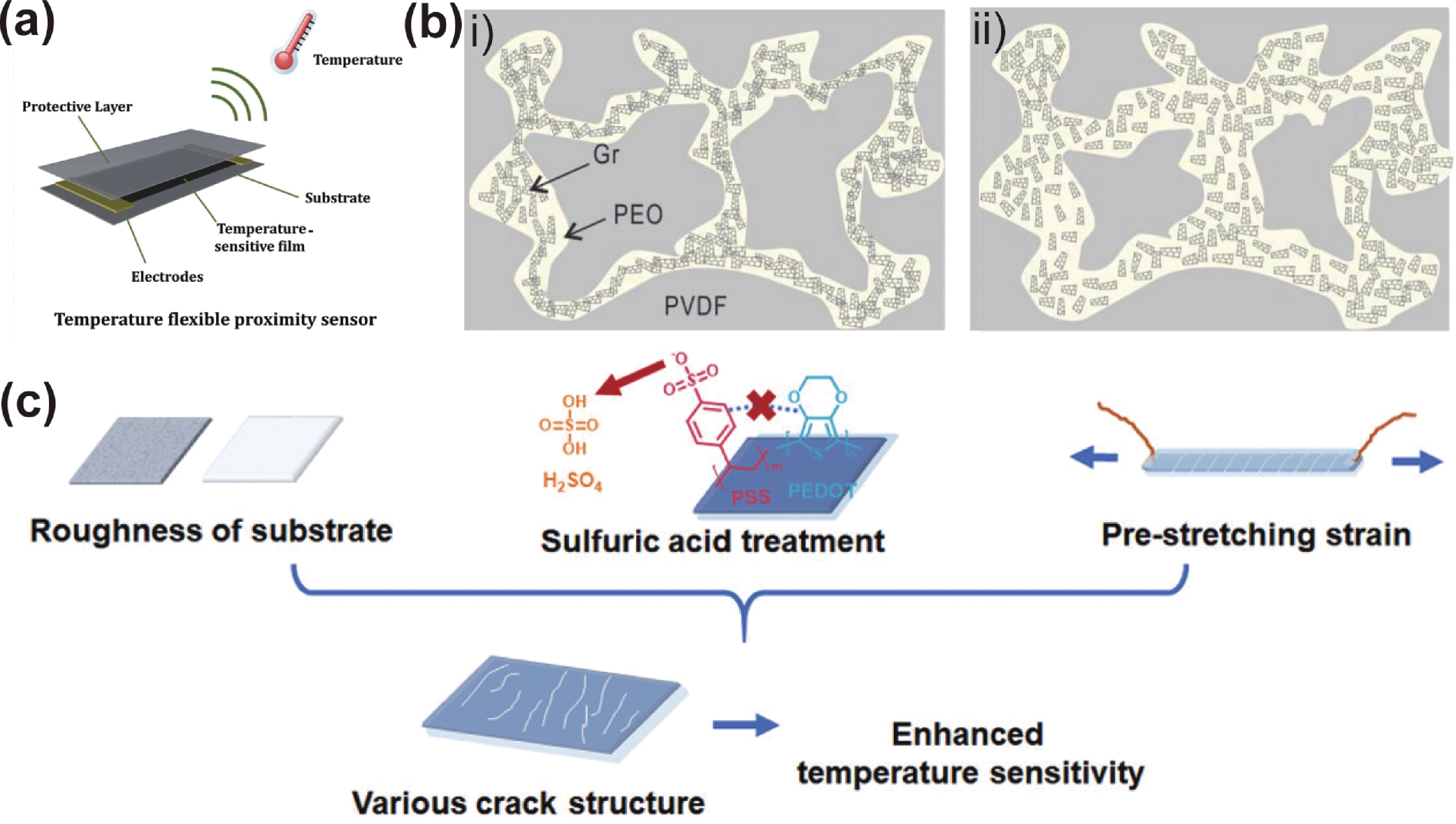
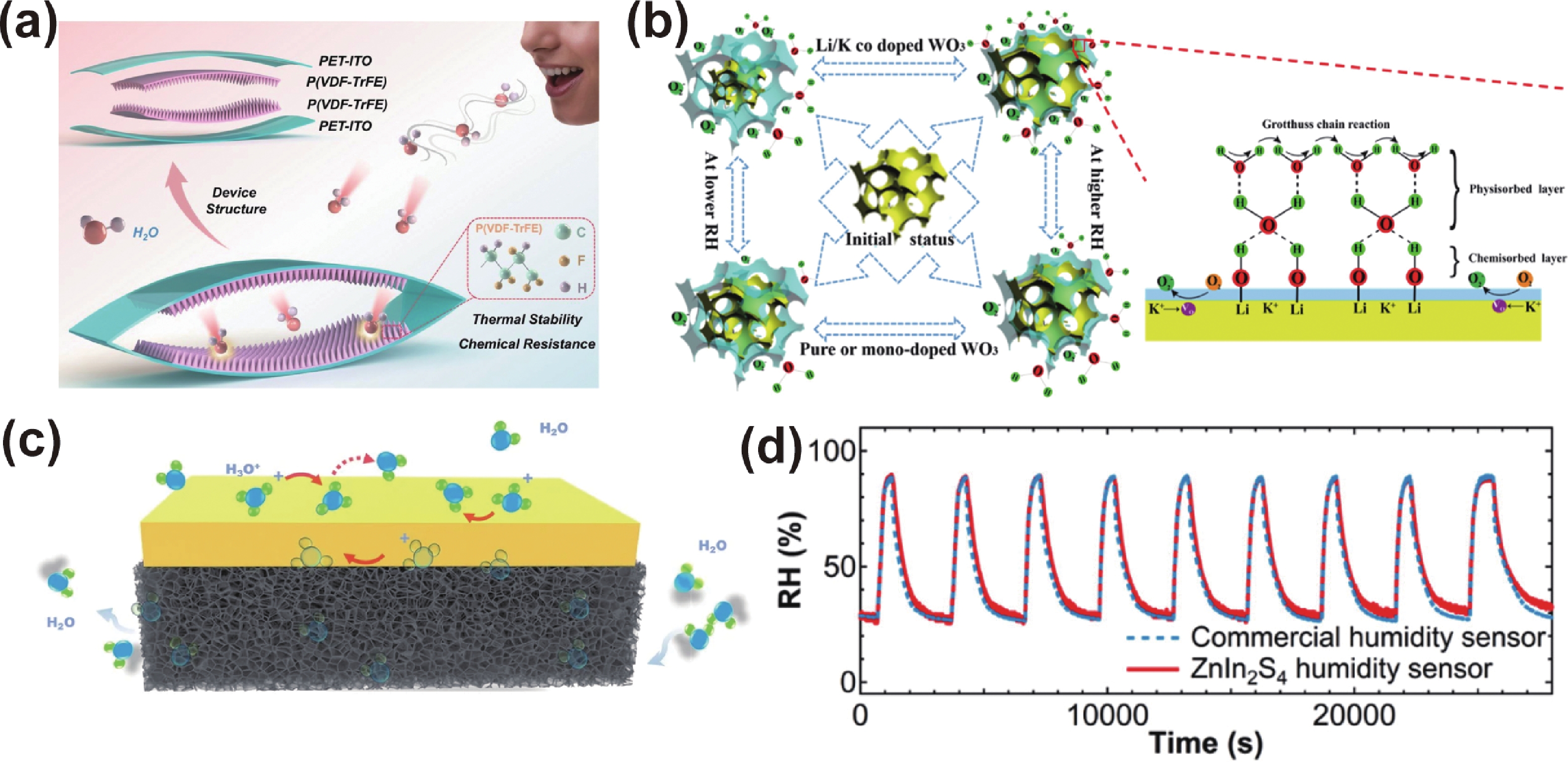
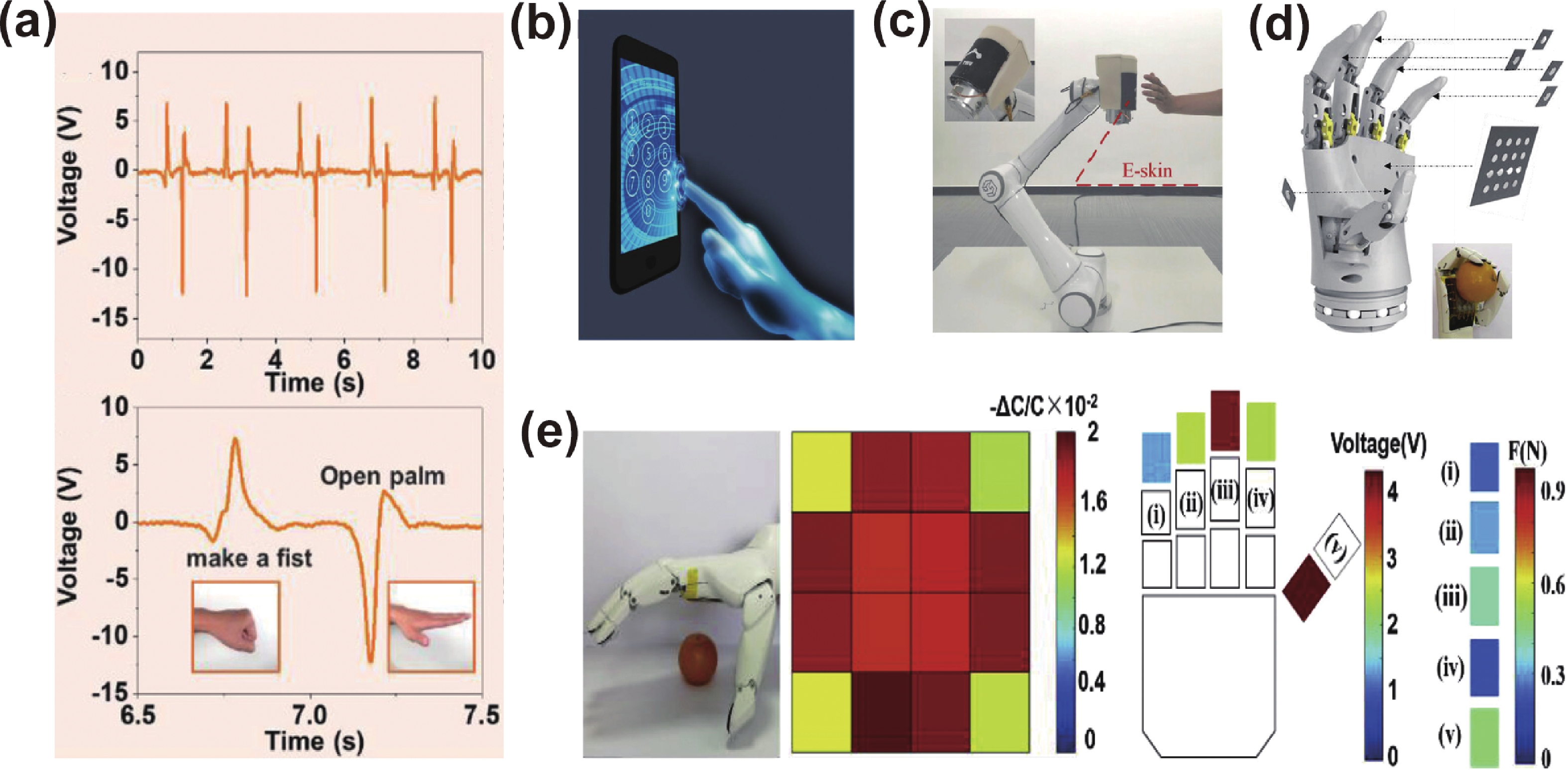
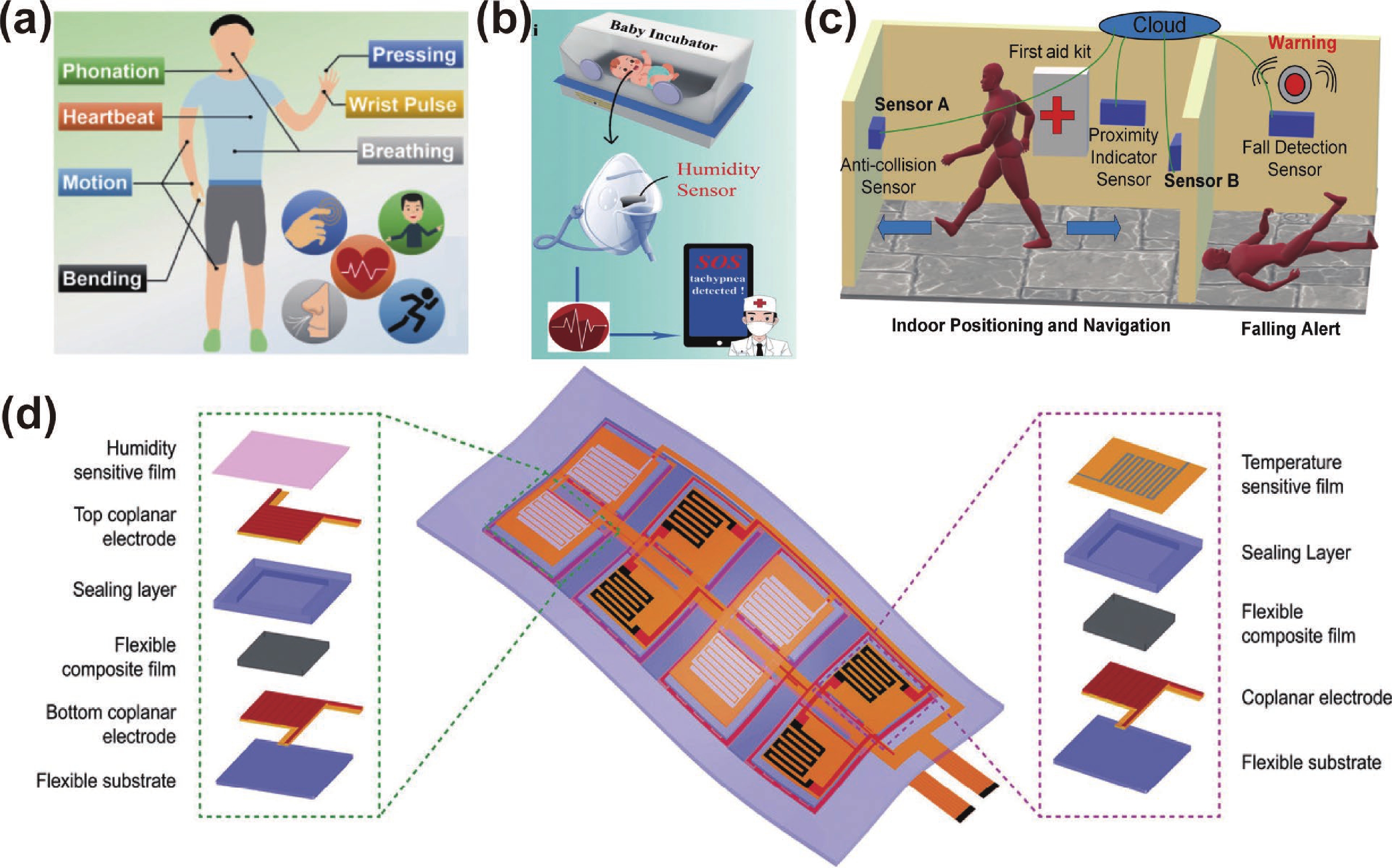
The integration of proximity sensing into flexible tactile electronic skins (e-skins) represents a fundamental shift from conventional contact-only interfaces toward anticipatory perception systems. This mini-review provides a systematic examination of recent advances in proximity-augmented e-skins, which overcome the inherent latency of tactile sensors by extending sensory awareness into the pre-contact domain. We provide a comprehensive overview of five key sensing modalities—capacitive, triboelectric, magnetic, temperature-based, and humidity-based—detailing their operating principles, material innovations, and structural optimization strategies. System-level requirements for practical deployment are also critically analyzed. Representative applications in interactive surfaces, human–robot collaboration, soft robotics, healthcare monitoring, and integrated multifunctional e-skins are highlighted to illustrate the transformative potential of this technology. Despite substantial progress, challenges persist in seamless multimodal integration, scalable manufacturing, and intelligent data fusion. Future directions are discussed to realize robust, perceptually intelligent e-skins that bridge the gap between laboratory innovations and real-world applications.
Organic electrochemical transistor-based theranostics: materials, mechanisms, and system integration
J. Semicond.
2026, 47(8): 081603 doi: 10.1088/1674-4926/26040015

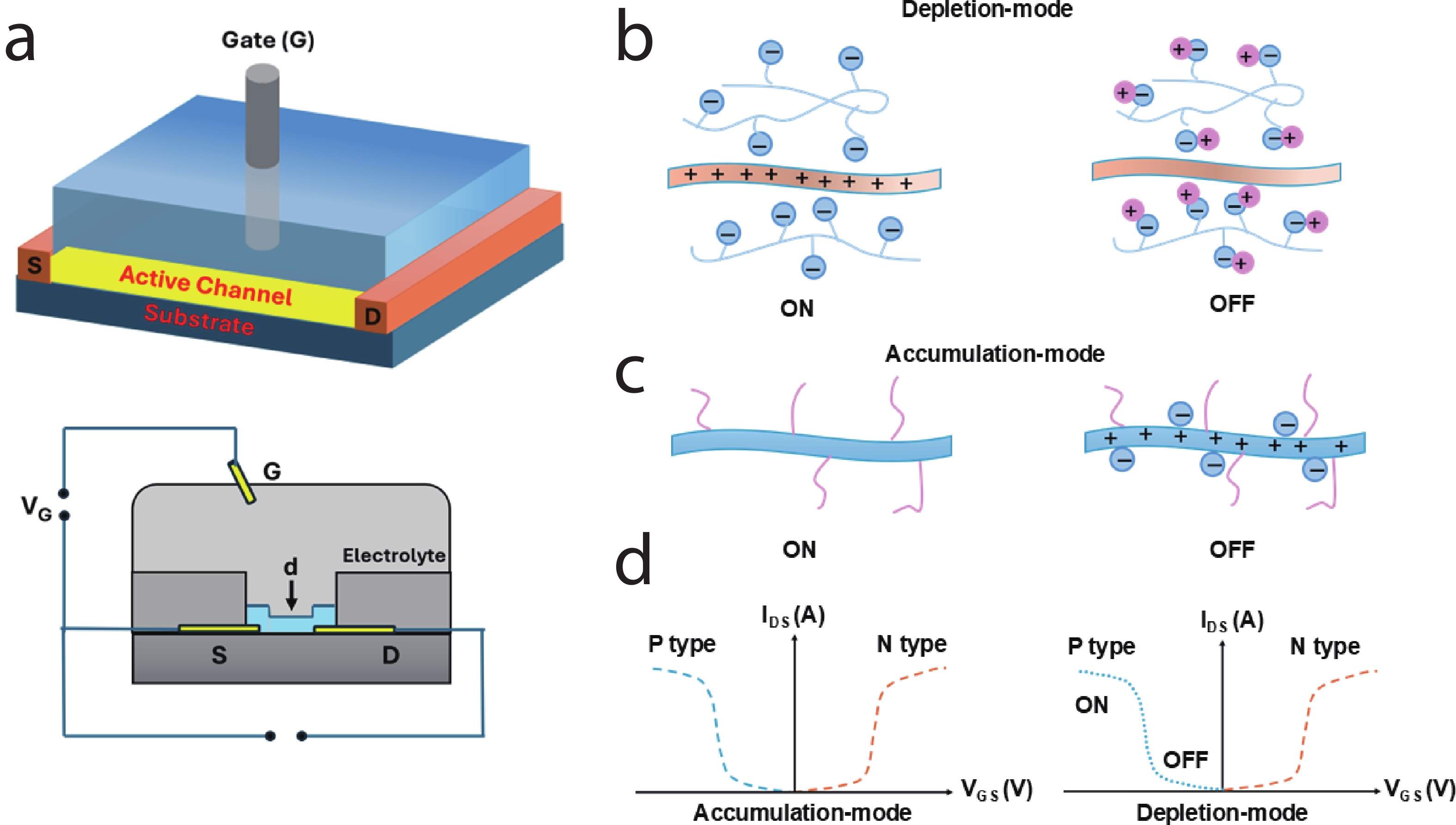
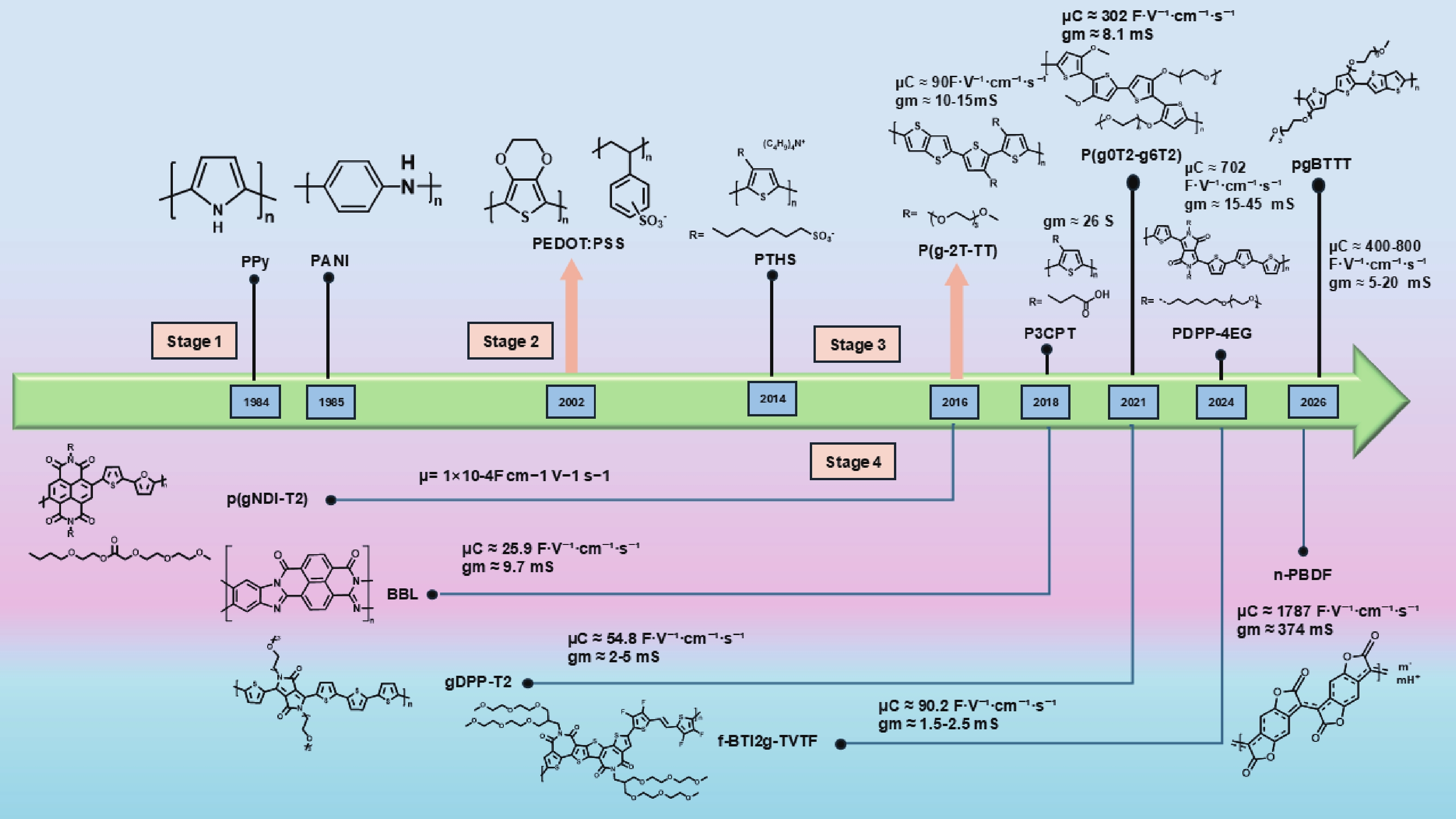
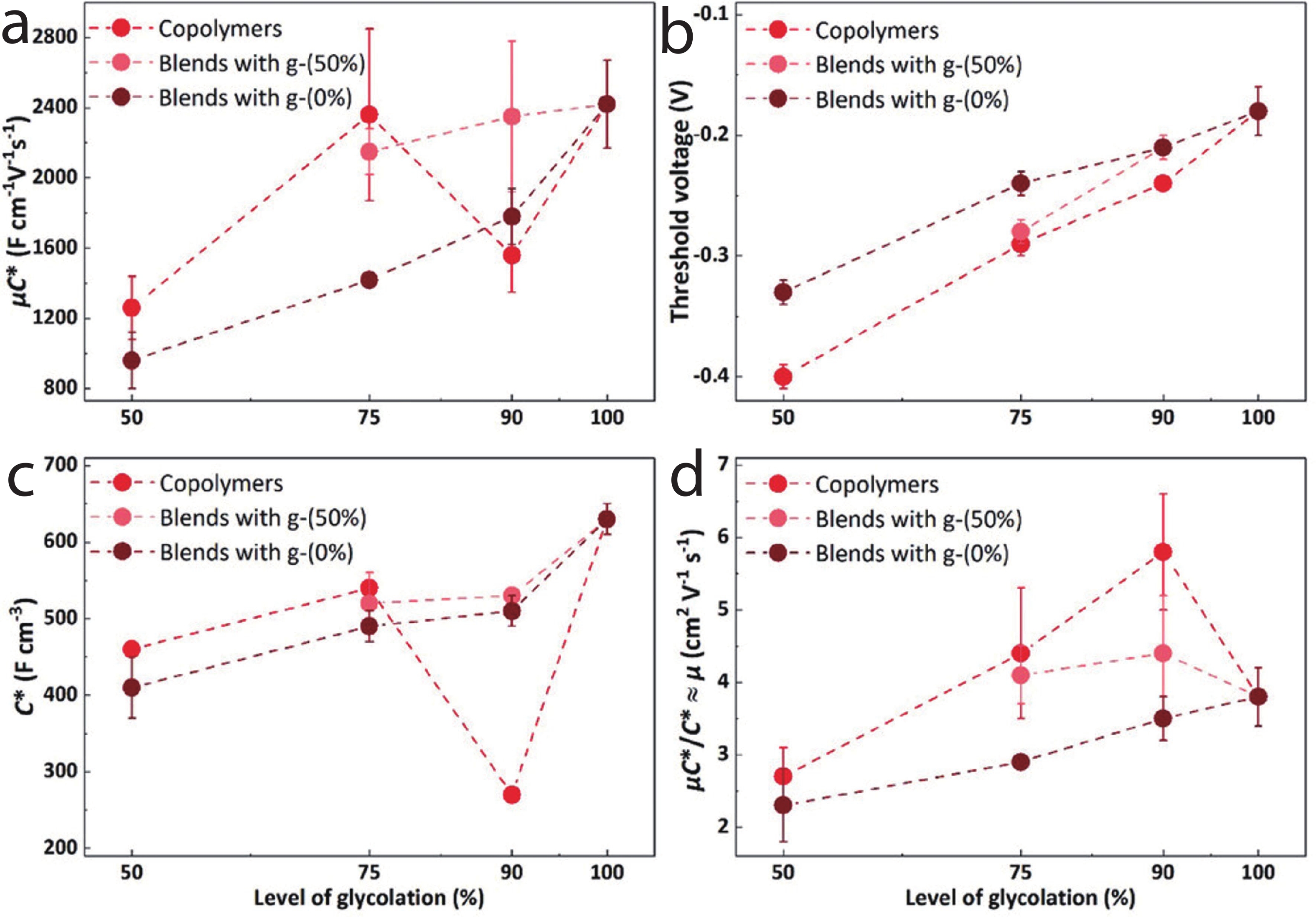
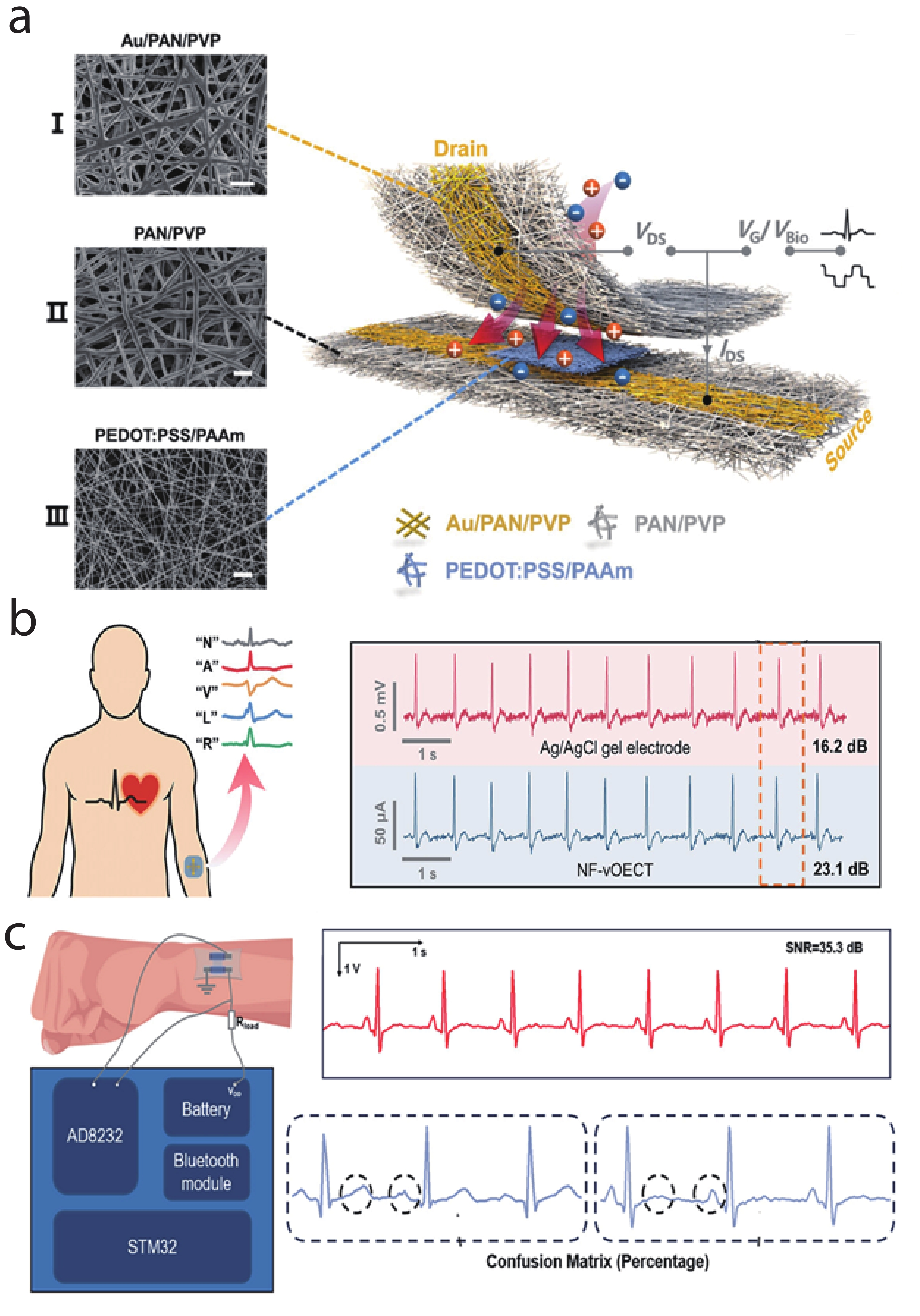
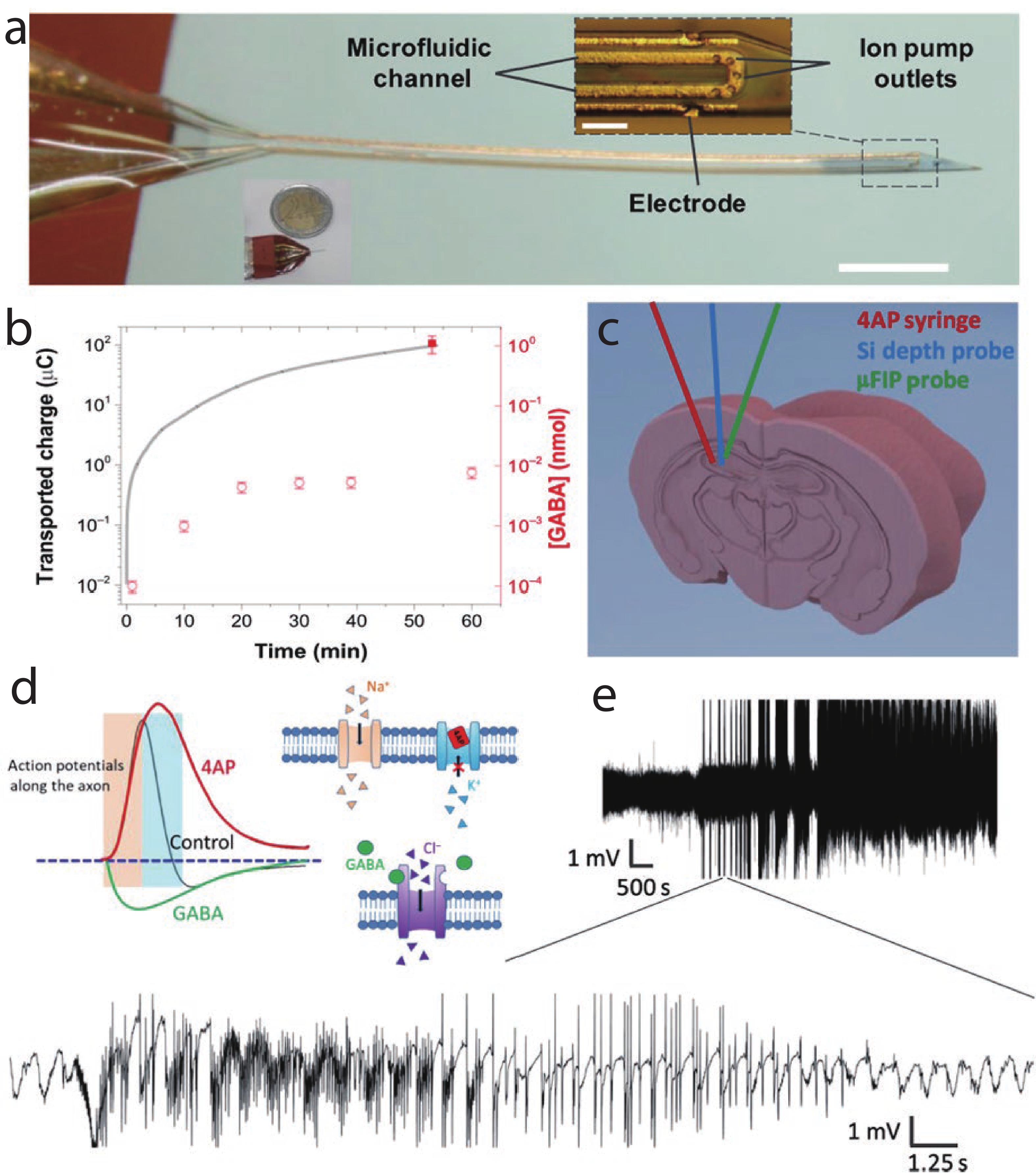
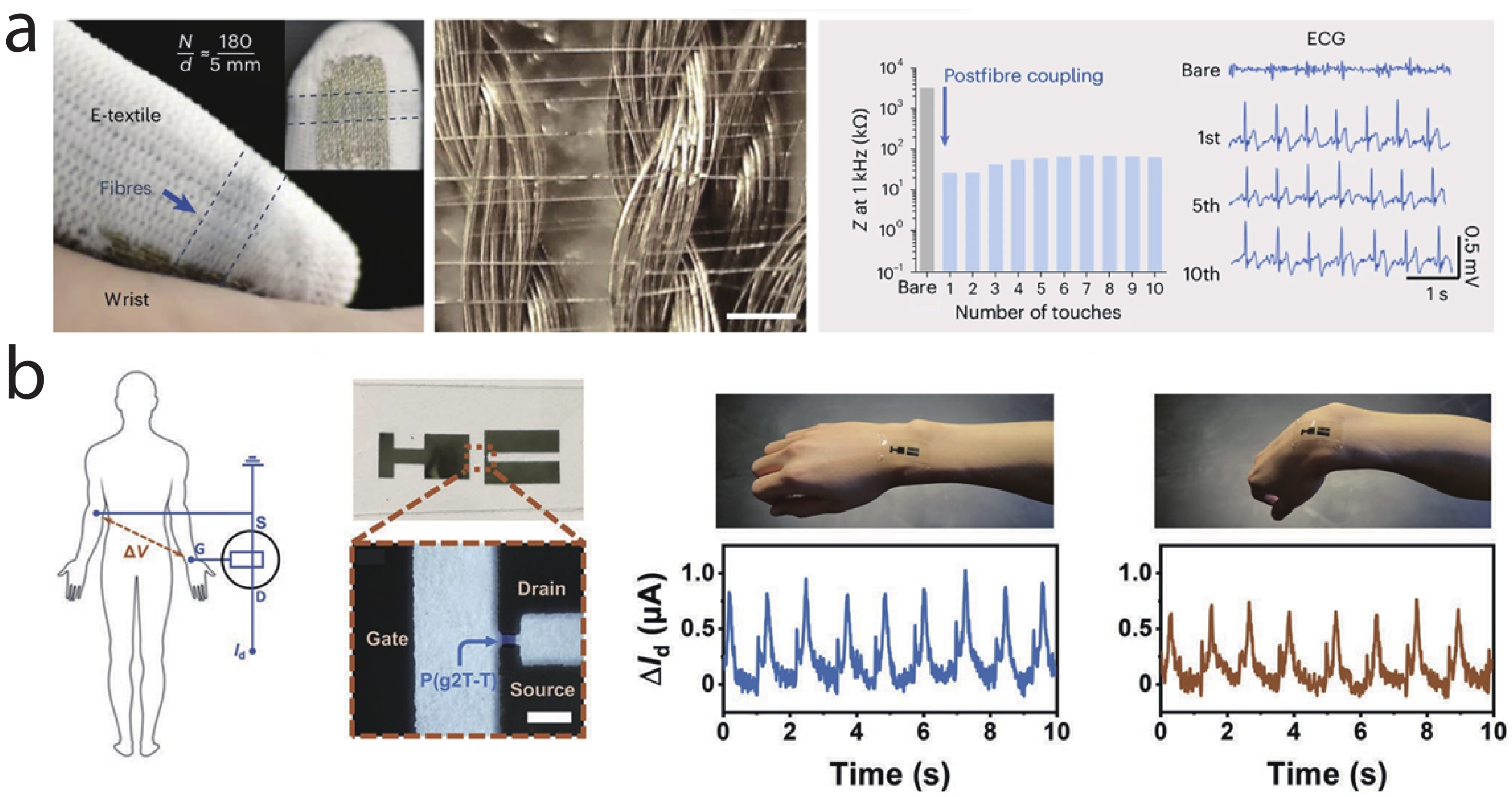
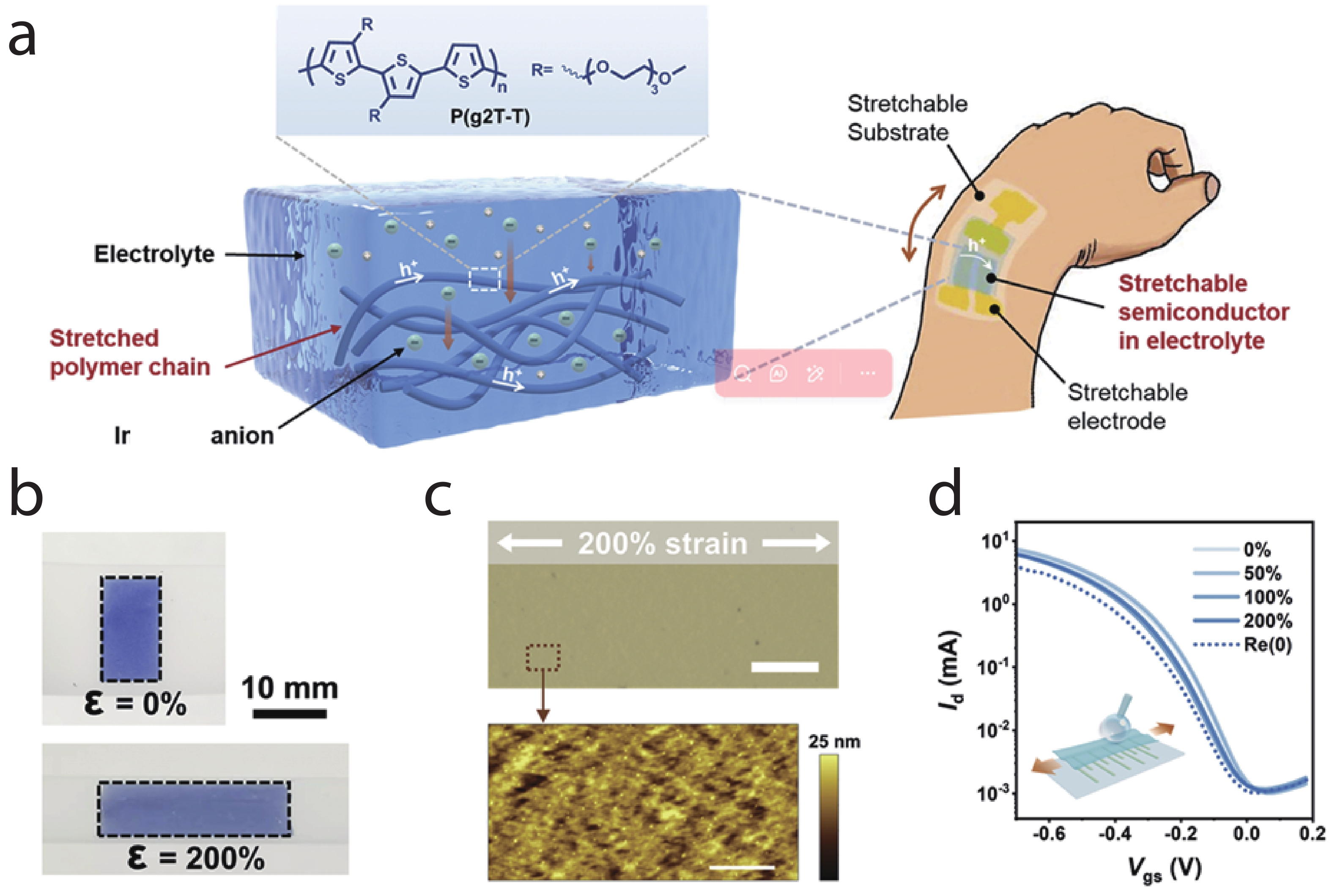
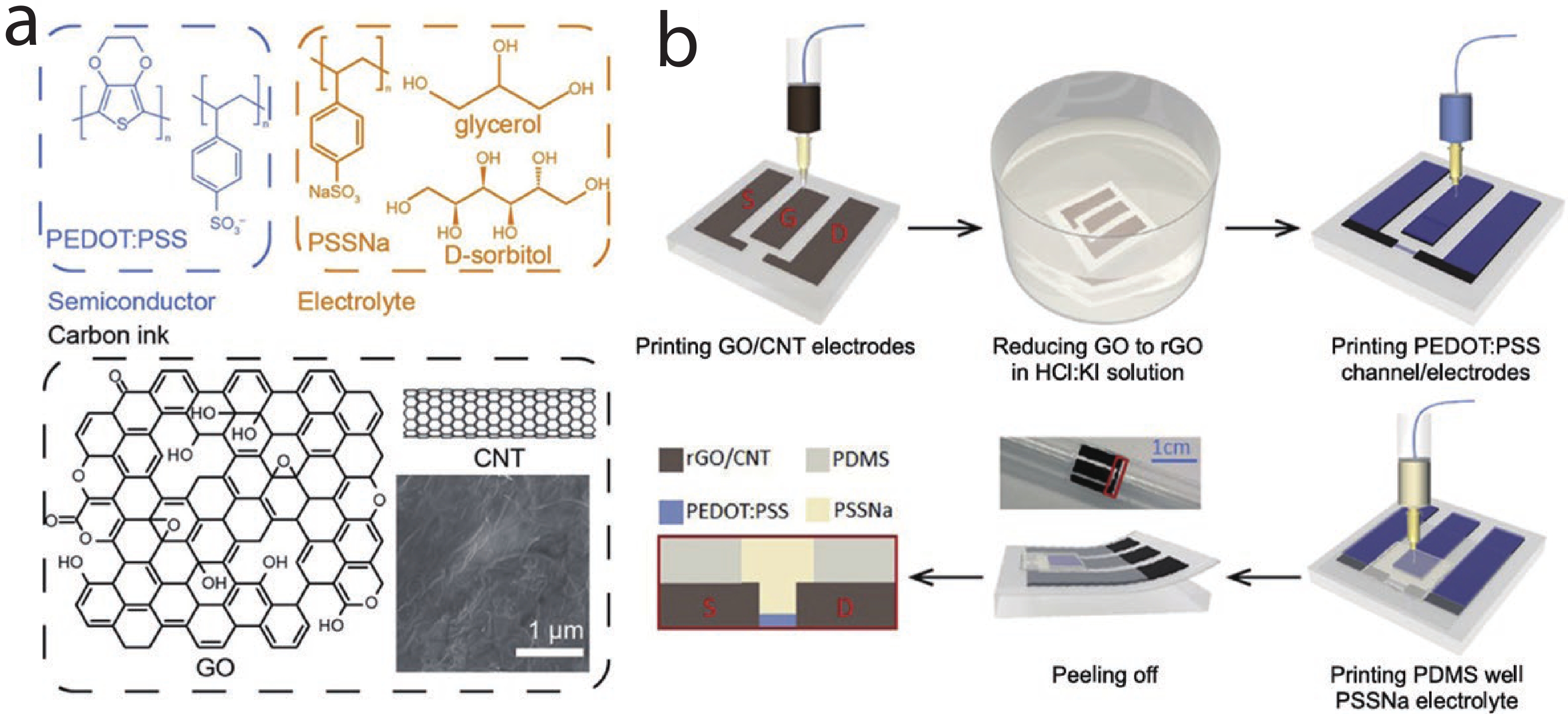
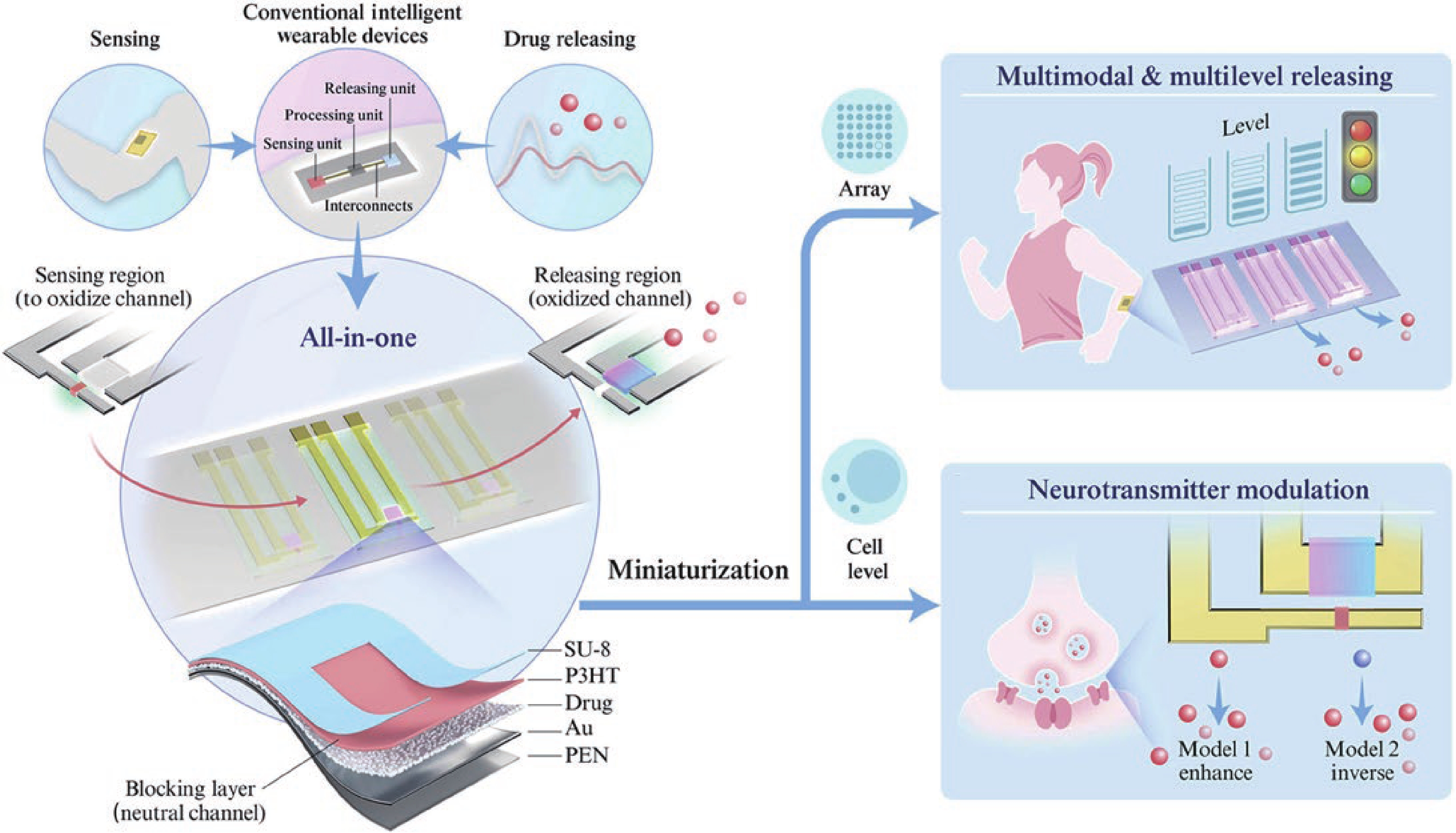
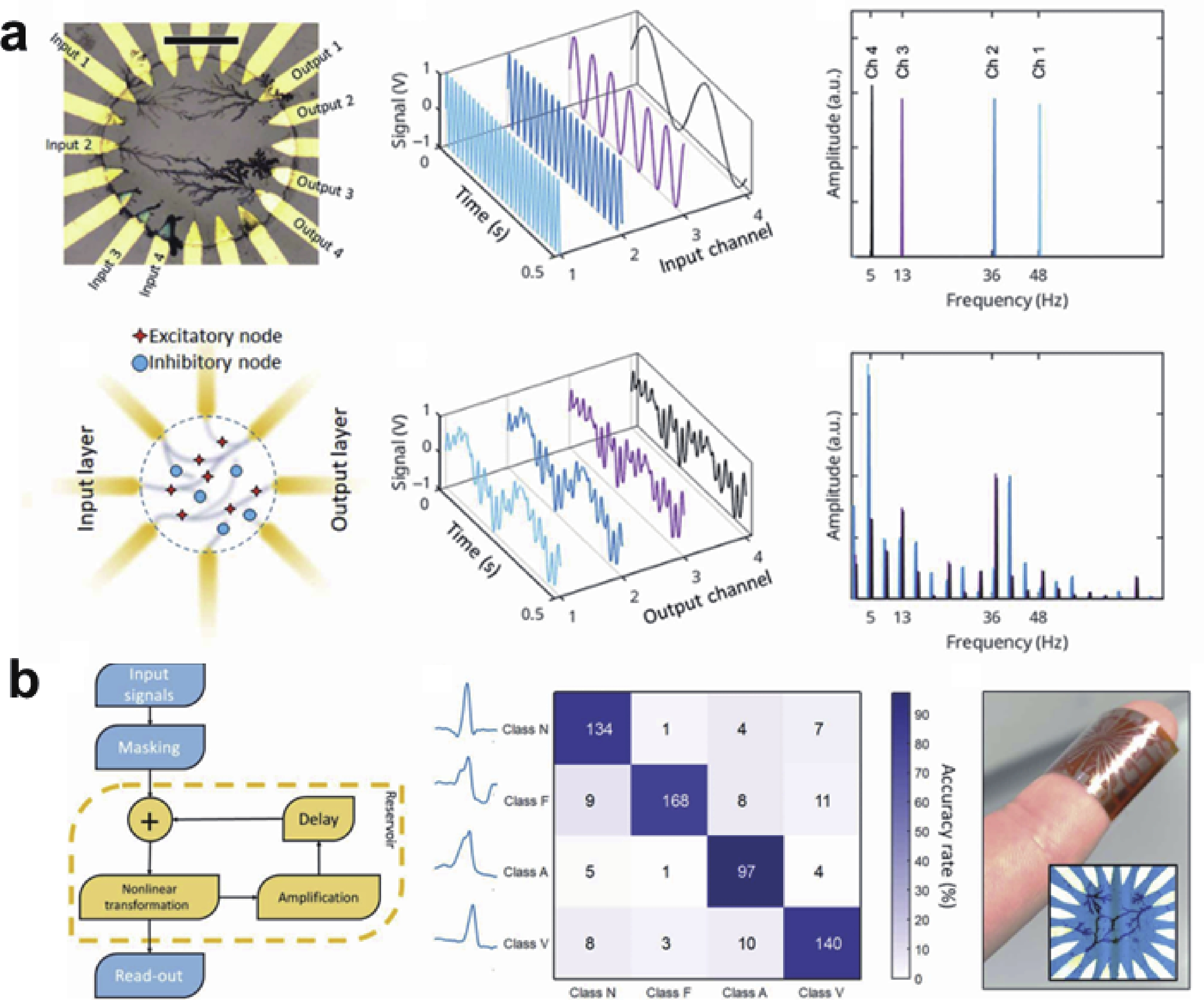
Organic electrochemical transistors (OECTs), leveraged by their unique volumetric doping mechanism and ultra-high transconductance performance, have emerged as a pivotal device platform for constructing high-performance bioelectronic interfaces. OECT-based theranostics aim to develop intelligent closed-loop systems that integrate sensing, decision-making, and execution, thereby overcoming the latency and discretization limitations of traditional medical models when managing dynamic physiological fluctuations. This article systematically reviews the performance evolution of OECT materials from p-type to n-type, discusses critical strategies for enhancing device stability and transconductance density, such as side-chain engineering and ladder-type molecular design, while emphasizing the essential role of complementary logic circuits in minimizing the static power consumption of implantable electronics. Furthermore, breakthroughs in OECT-based neuromorphic computing are addressed; by simulating synaptic plasticity (STP/LTP) and engineering organic electrochemical neurons (OECNs), a highly efficient sensing-computing closed-loop architecture has been realized. The current application landscape of OECTs in electrophysiological monitoring, neurochemical sensing, and multimodal synergistic sensing is detailed, alongside a summary of high-density array fabrication and system integration strategies, including 3D printing, inkjet printing, and 3D hydrogel integration. Finally, future outlooks are provided, focusing on challenges such as the environmental stability of n-type materials, multimodal signal crosstalk, and long-term clinical reliability.
J. Semicond.
2026, 47(8): 081604 doi: 10.1088/1674-4926/26050023

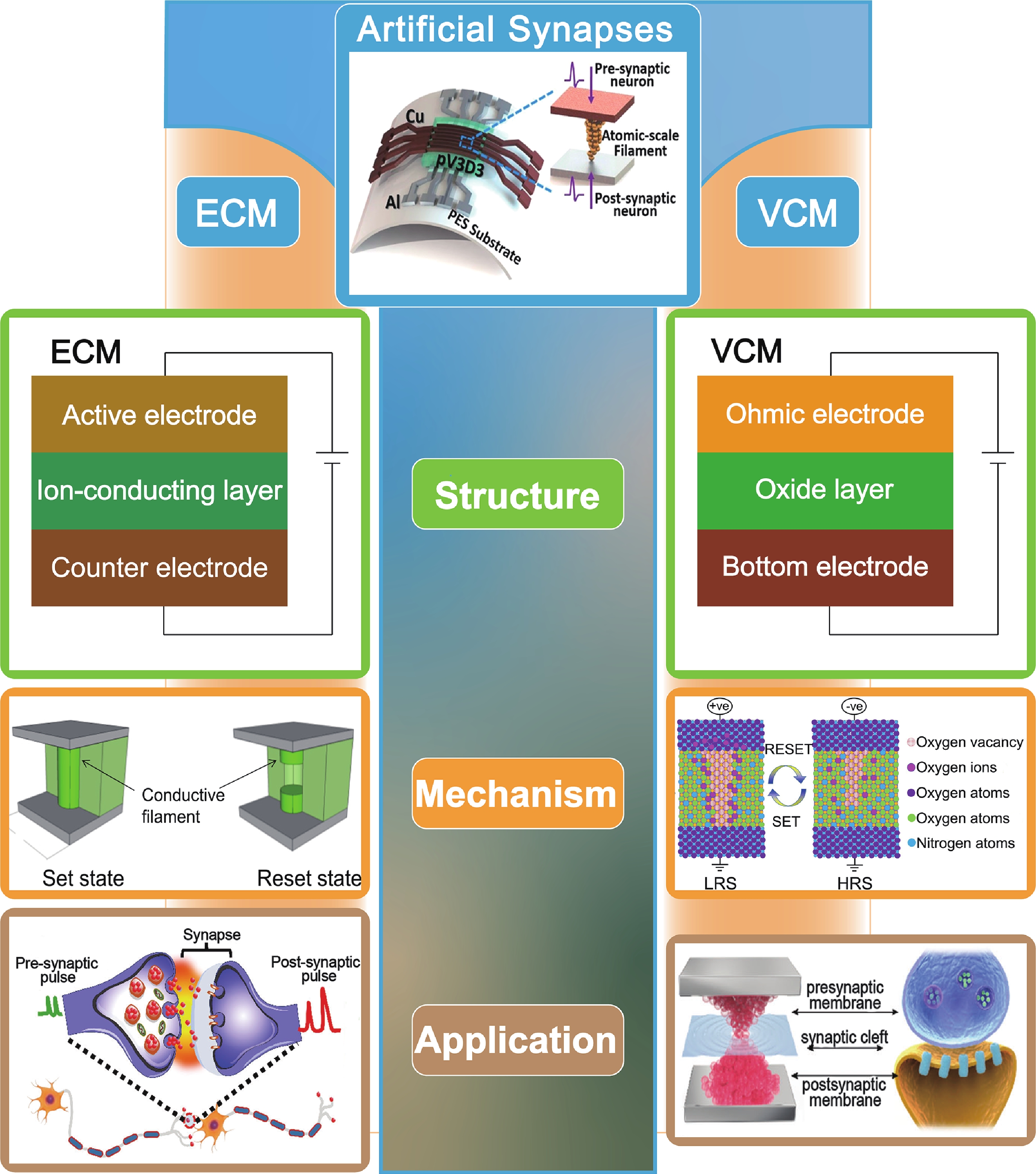
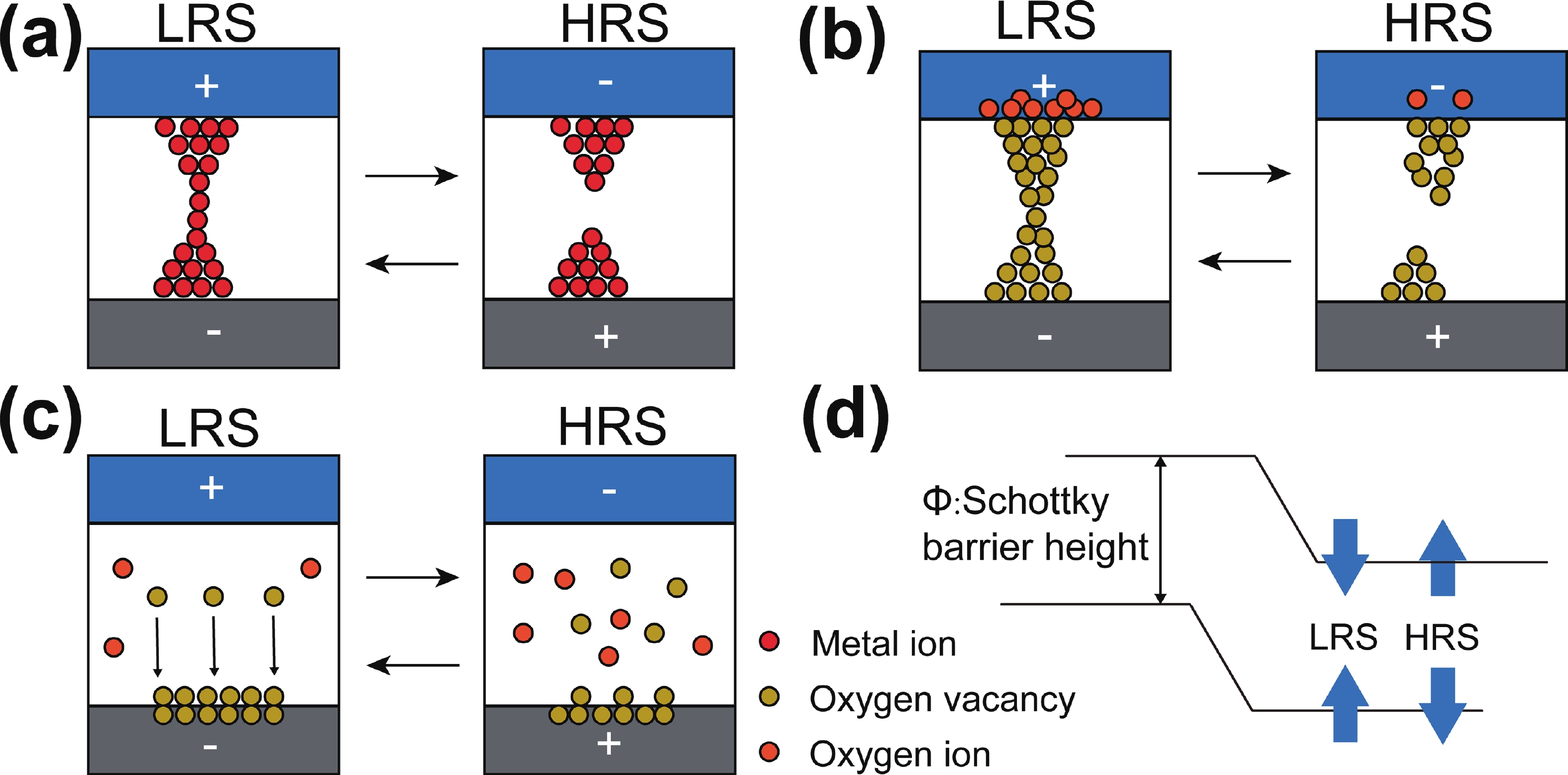
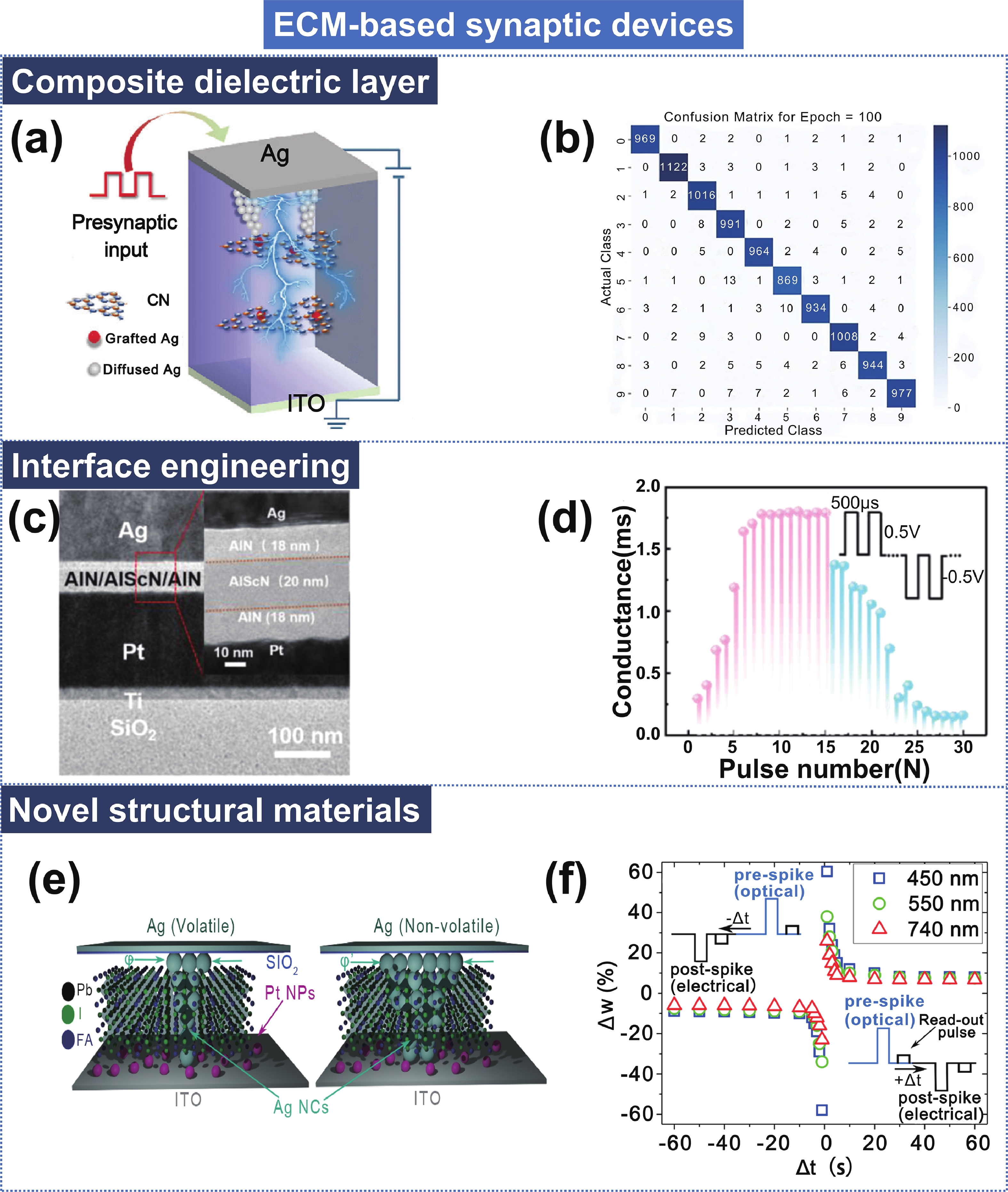
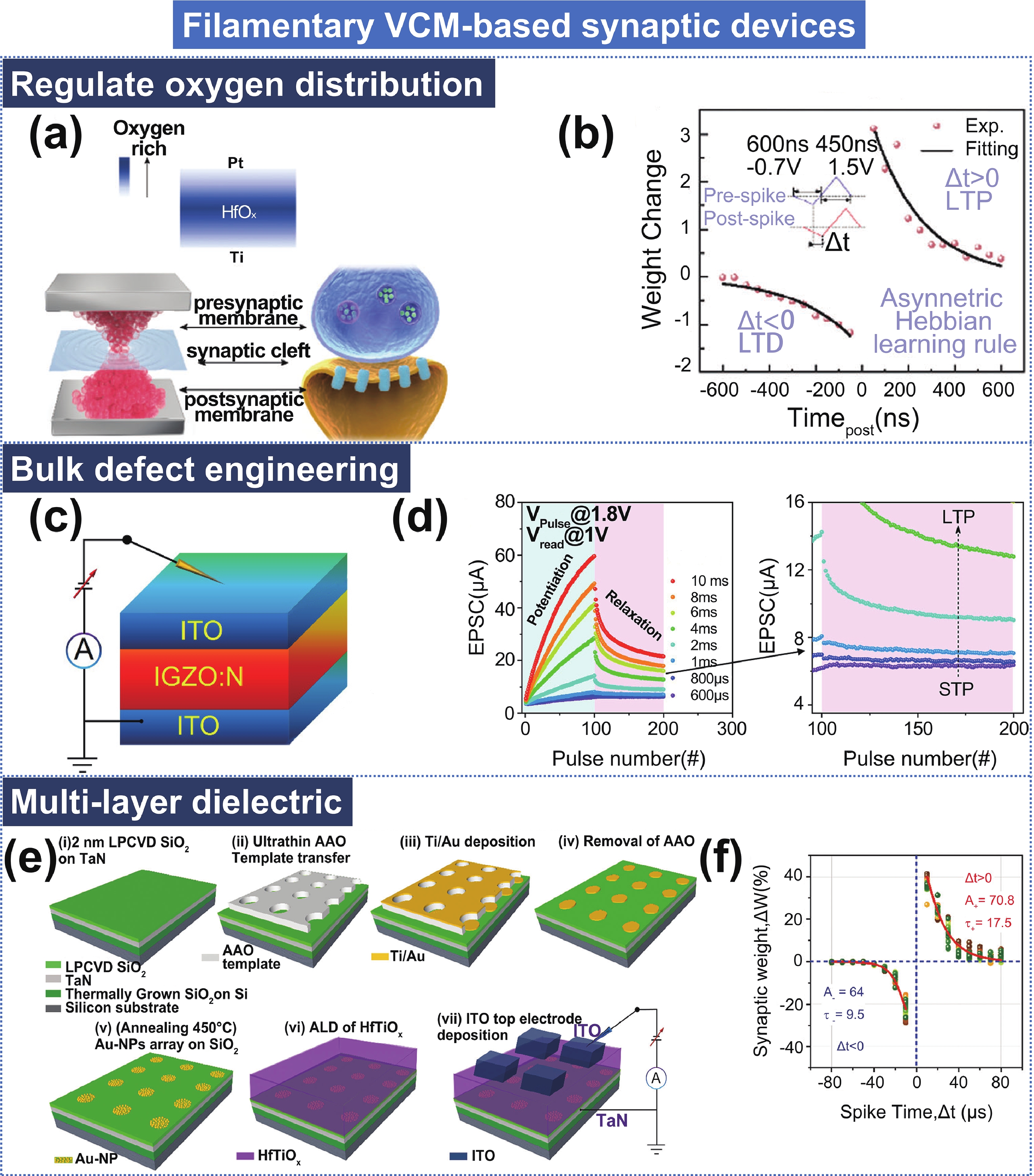
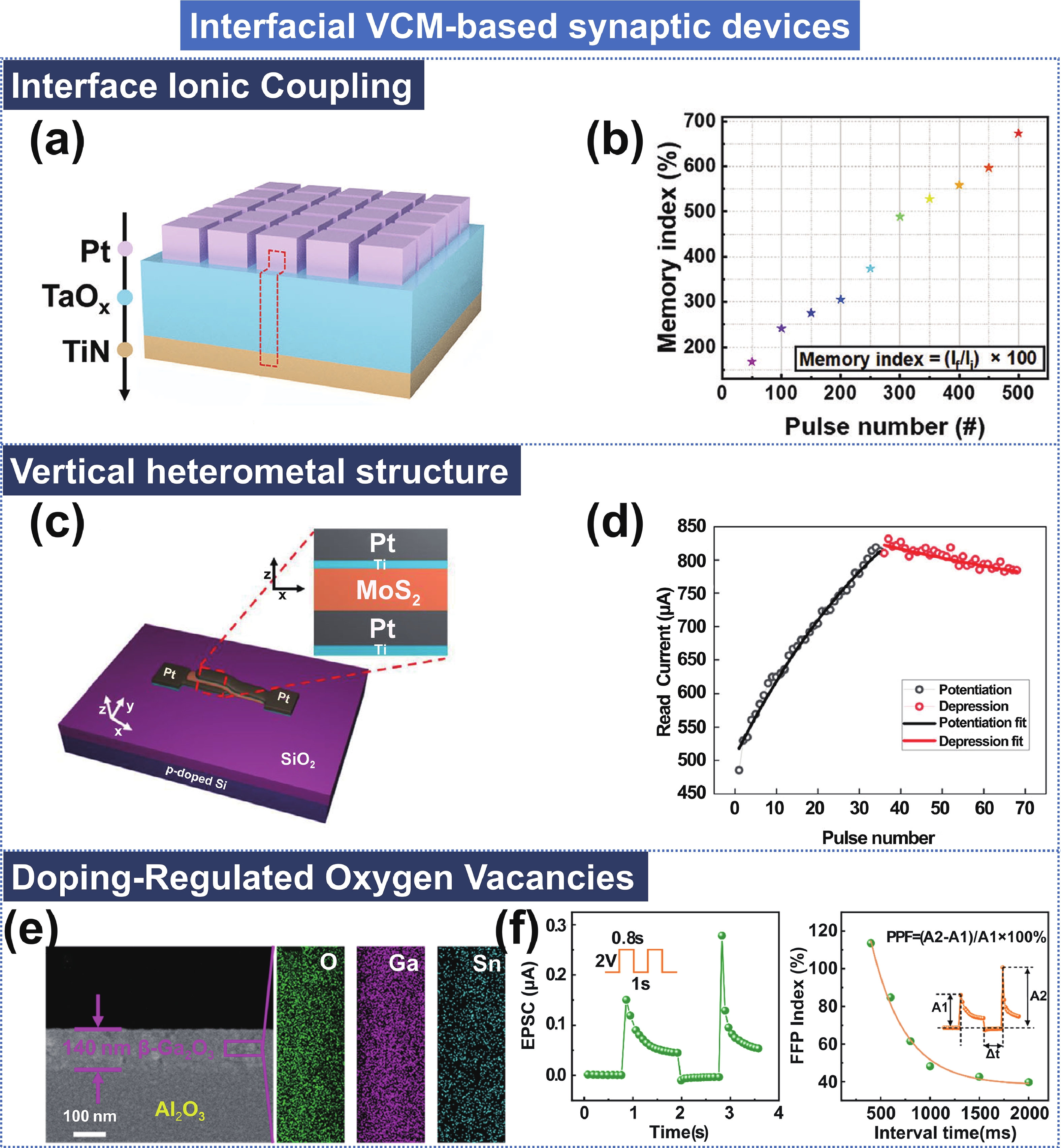
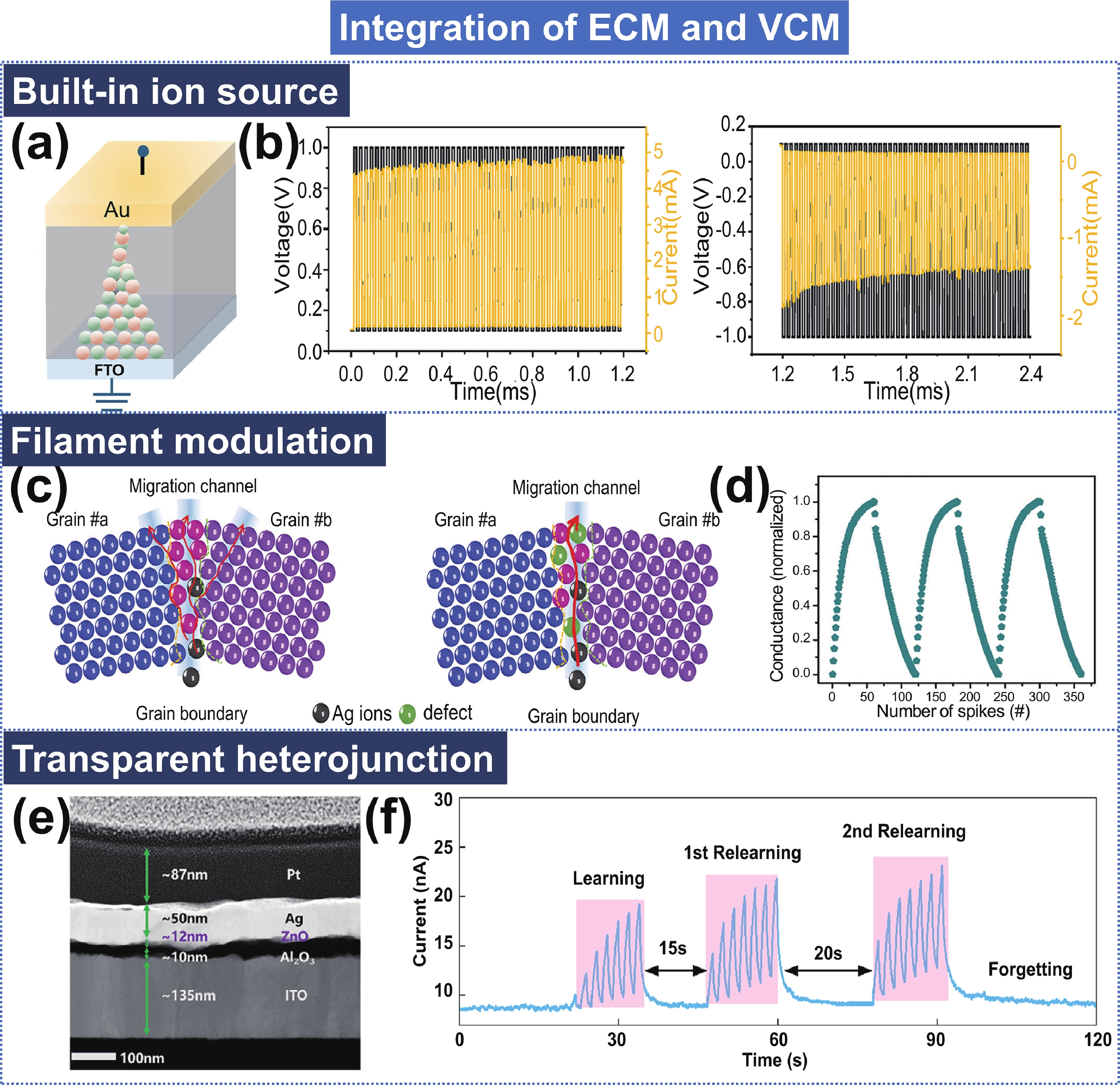
Ion-migration memristive synaptic devices provide a physical route for hardware neuromorphic computing by using ionic redistribution, conductive-filament evolution, and interfacial barrier modulation to regulate synaptic weights. However, existing studies are often discussed according to specific material systems or individual device demonstrations, which makes it difficult to compare how different ion-migration mechanisms determine synaptic behavior, device stability, and integration potential. This mini review organizes recent progress from the perspective of operating mechanism and device type. Electrochemical metallization (ECM)-based synaptic devices are discussed with emphasis on metallic-filament formation and the challenge of achieving gradual and reproducible conductance modulation. Filamentary valence-change memory (VCM)-based devices are reviewed in terms of oxygen-vacancy channel evolution, while interfacial VCM devices are examined through interfacial ionic modulation and barrier-controlled analog switching. Hybrid ECM-VCM devices are further discussed as integrated designs that couple multiple ionic processes to balance switching window, stability, and multifunctionality. By linking mobile ionic species, switching pathways, and synaptic functions, this review provides a mechanism-based framework for understanding ion-migration memristive synaptic devices and for identifying the material, interface, and device-level issues that remain before scalable neuromorphic hardware can be realized.
J. Semicond.
2026, 47(8): 081605 doi: 10.1088/1674-4926/26050022

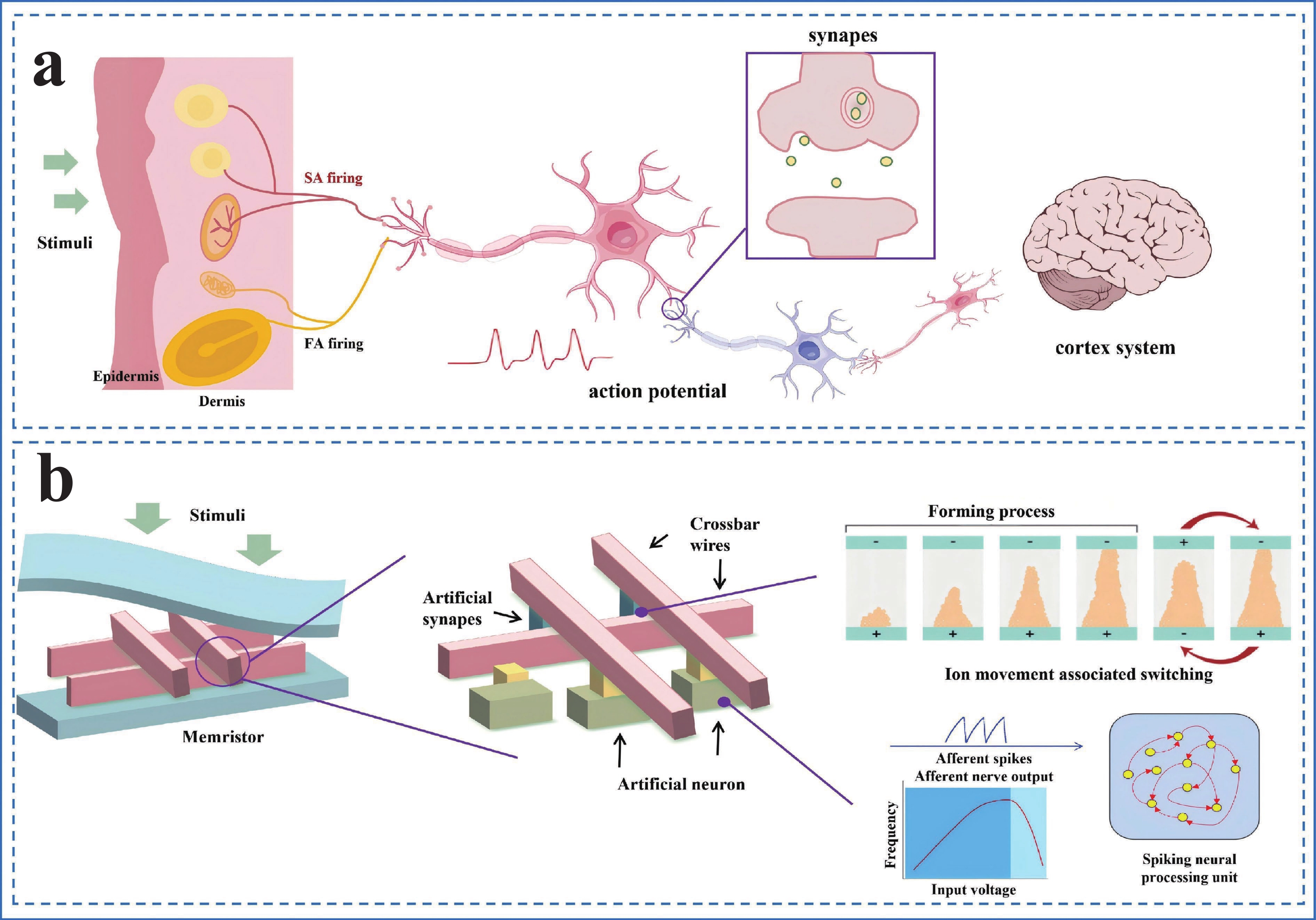
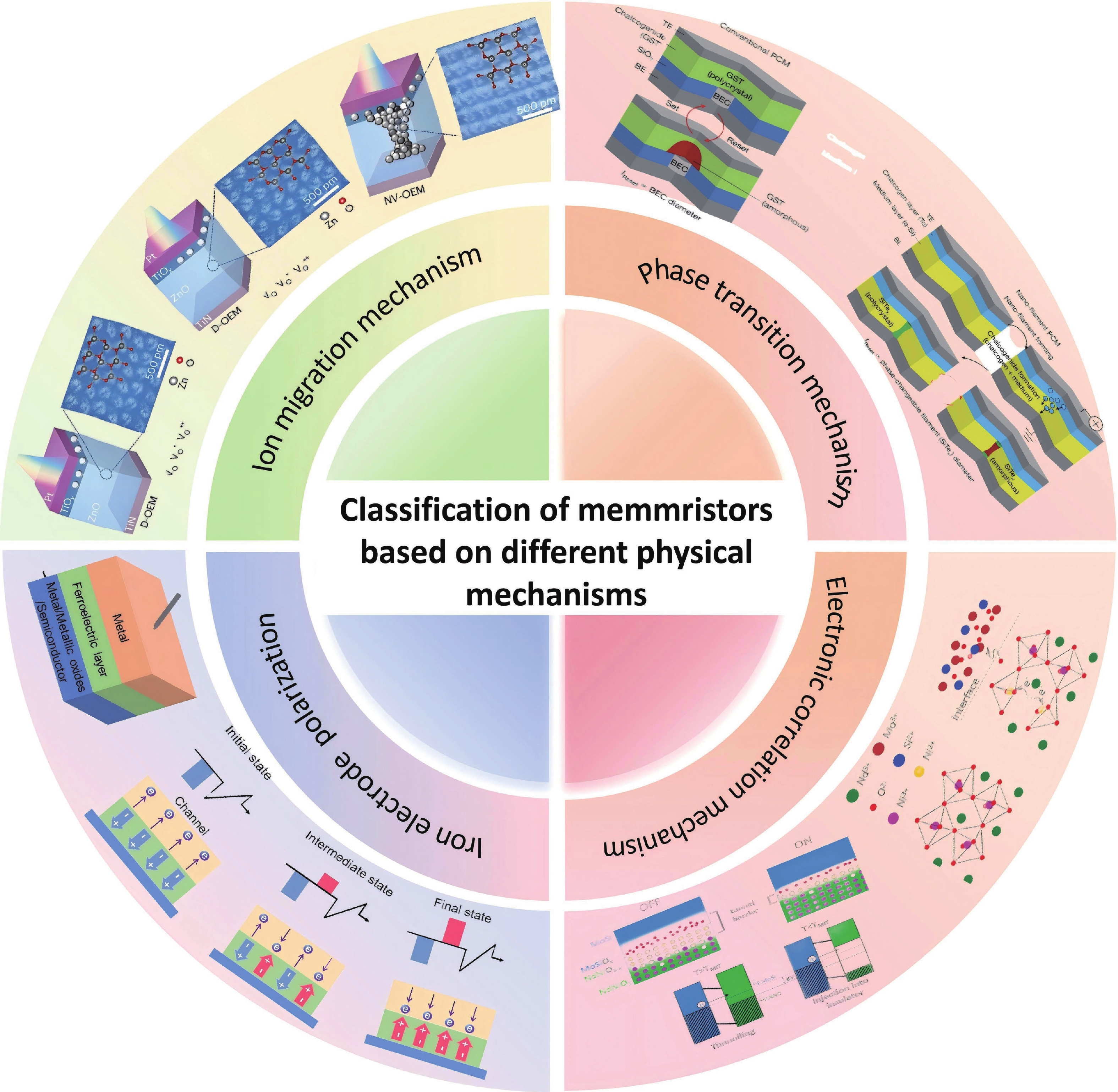
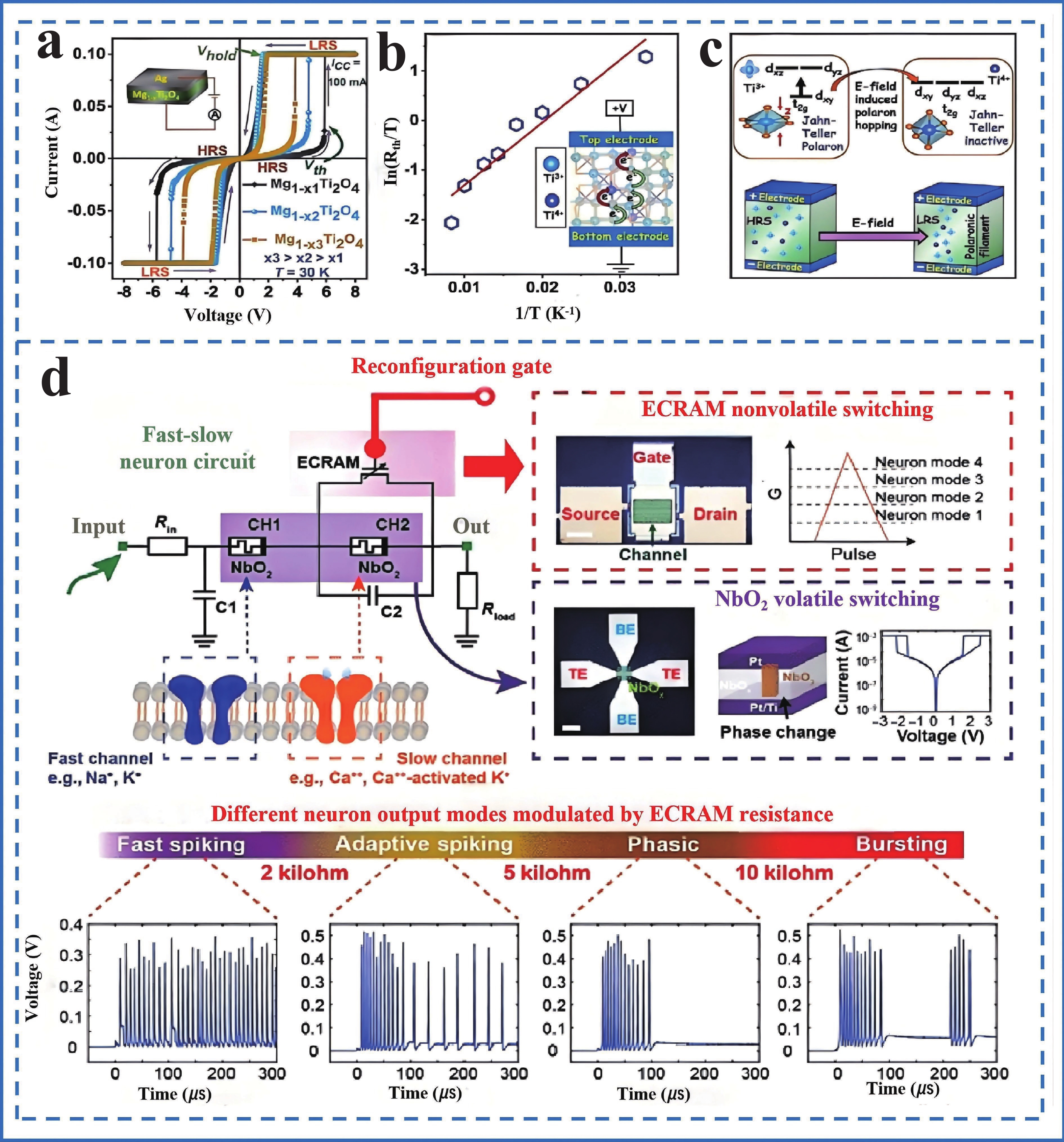
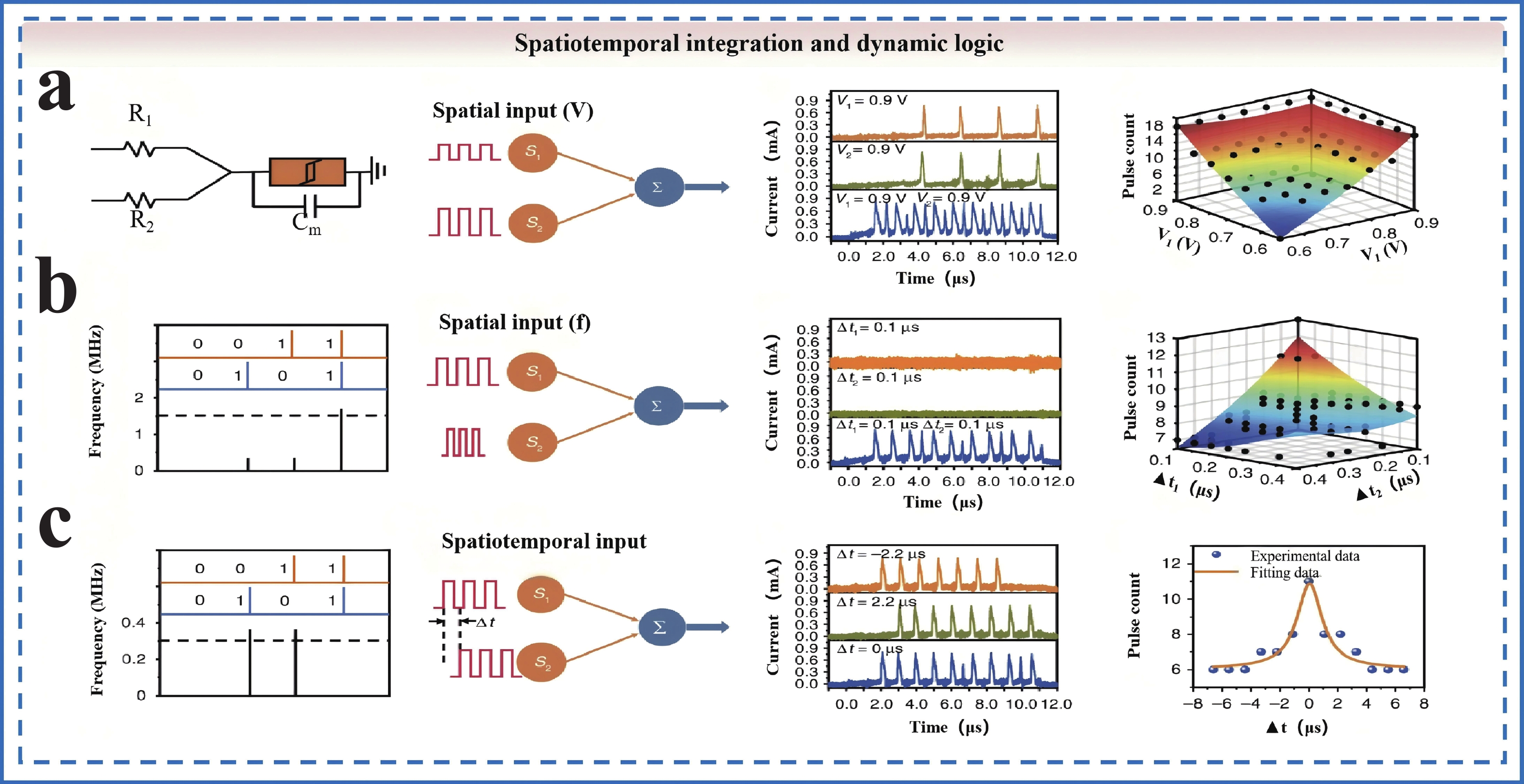
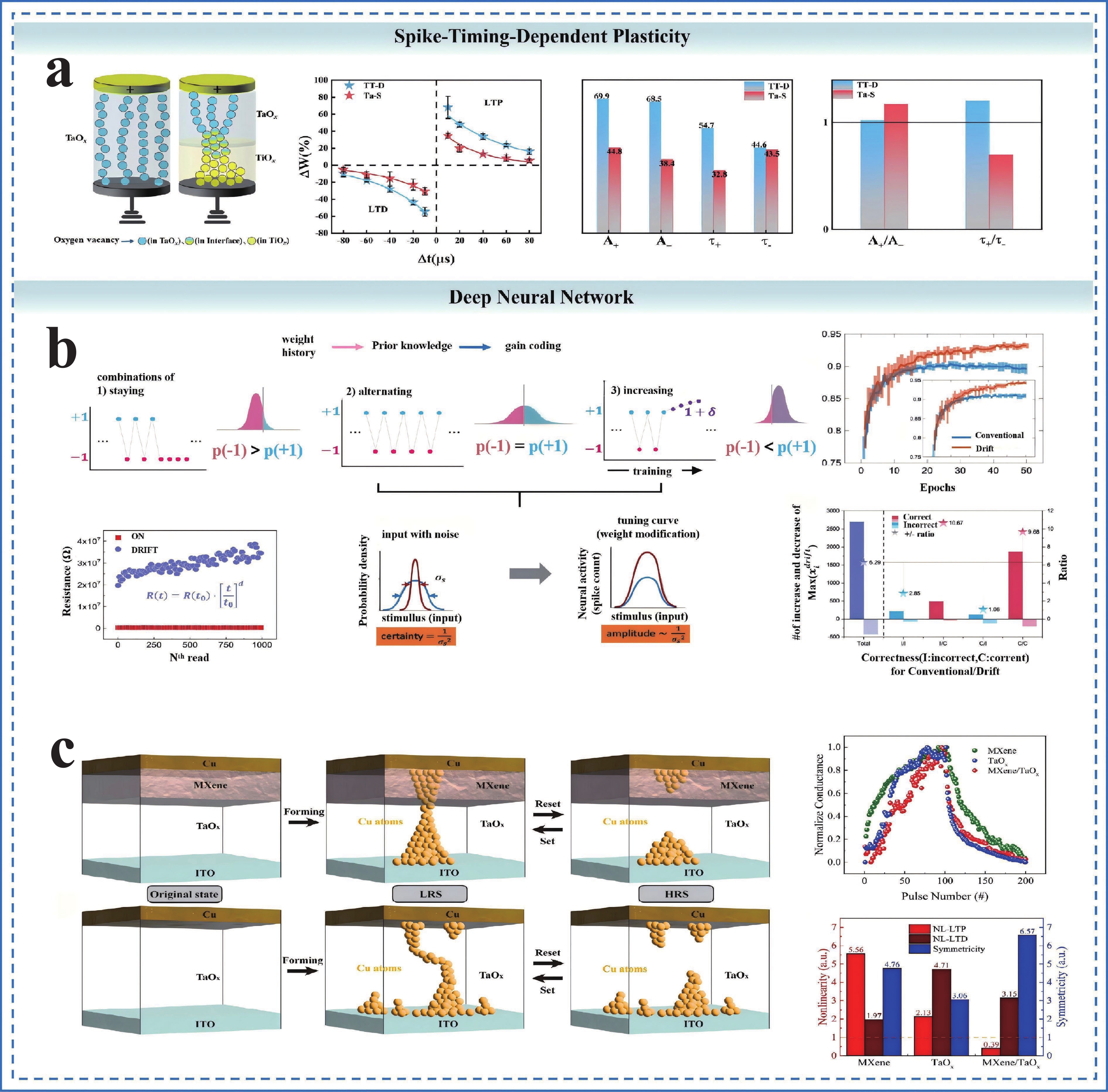
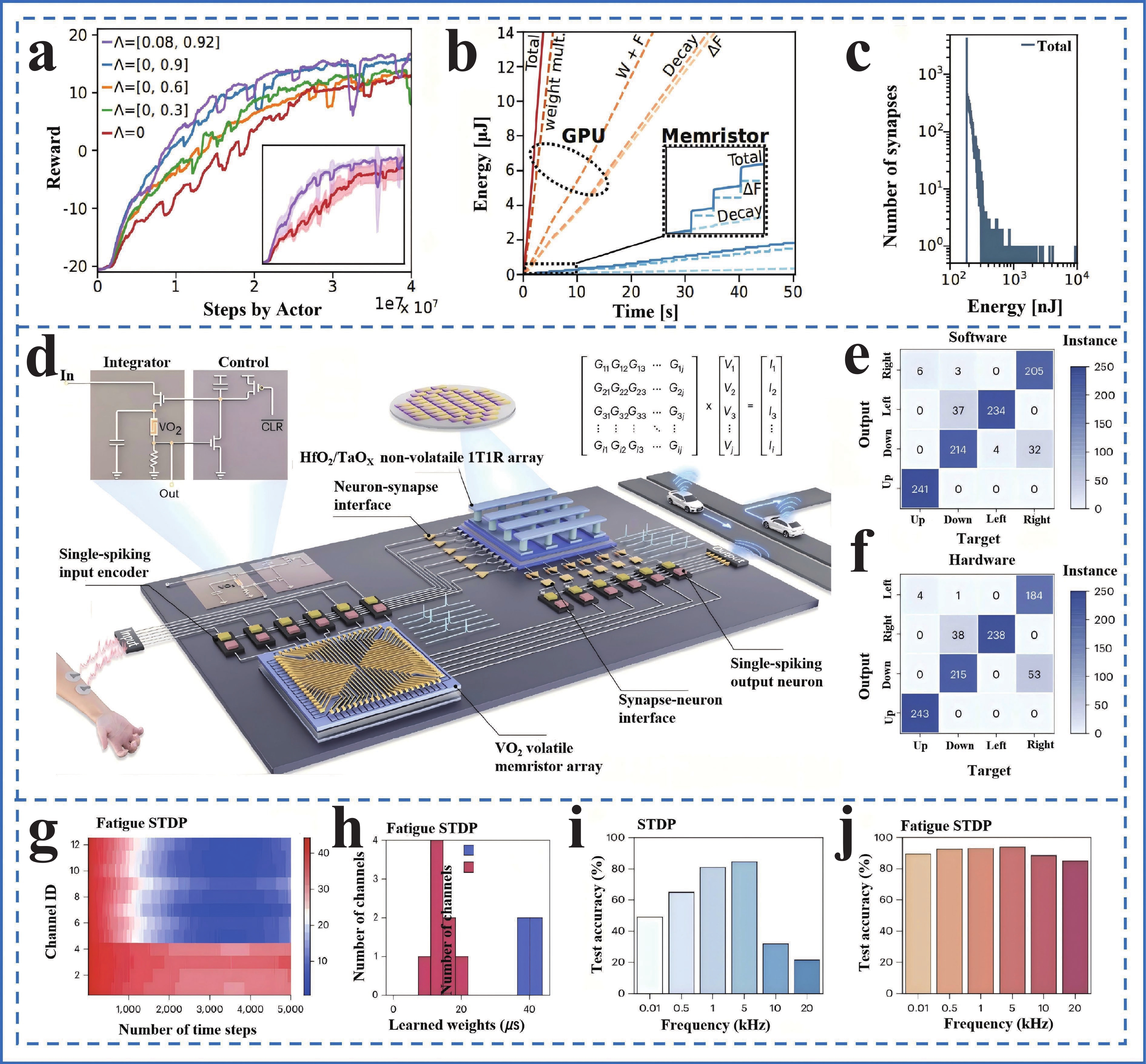
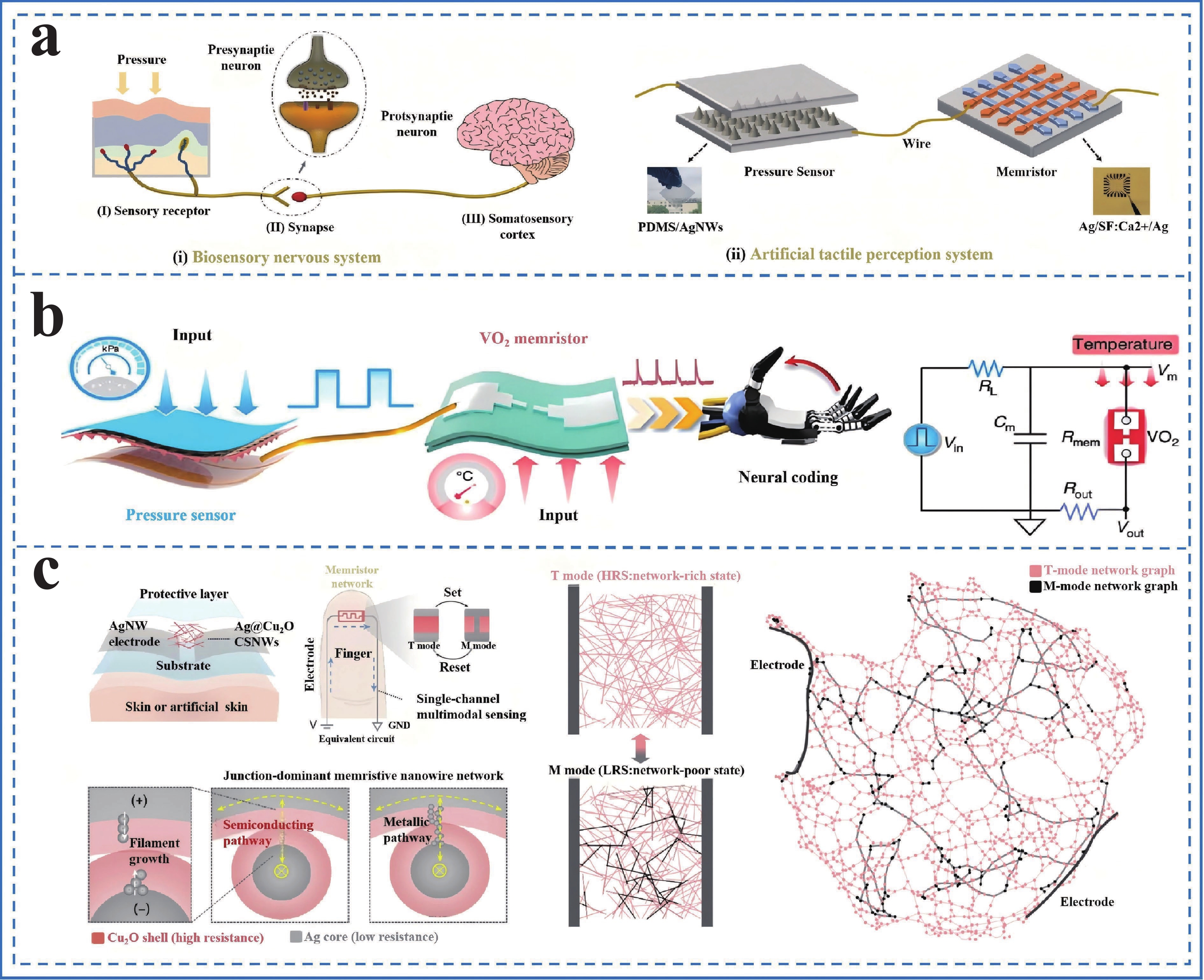
With the rapid development of the Internet of Things (IoT) and wearable electronics, tactile sensors play an indispensable role in intelligent sensing systems. However, traditional tactile sensing systems follow the von Neumann architecture, where sensors and processing units are physically separated. This leads to frequent data transfer of large raw data volumes, causing high latency and energy consumption. Such bottlenecks cannot meet the requirements of real-time closed-loop control and edge intelligence. Inspired by the highly integrated "perception-storage-computation" mechanism of biological sensory systems, memristor-based neuromorphic computing offers a groundbreaking solution beyond conventional approaches. Memristors combine non-volatile storage with tunable resistance. They enable in-situ emulation of synaptic plasticity, in-memory computing, and brain-inspired processing, thereby holding the potential to significantly improve the energy efficiency and response speed of tactile systems. This review systematically discusses the physical mechanisms of mainstream memristors, highlights recent progress in memristor-based neuromorphic computing for tactile sensing, and outlines key challenges and future directions for neuromorphic tactile perception systems.
J. Semicond.
2026, 47(8): 081606 doi: 10.1088/1674-4926/26050037

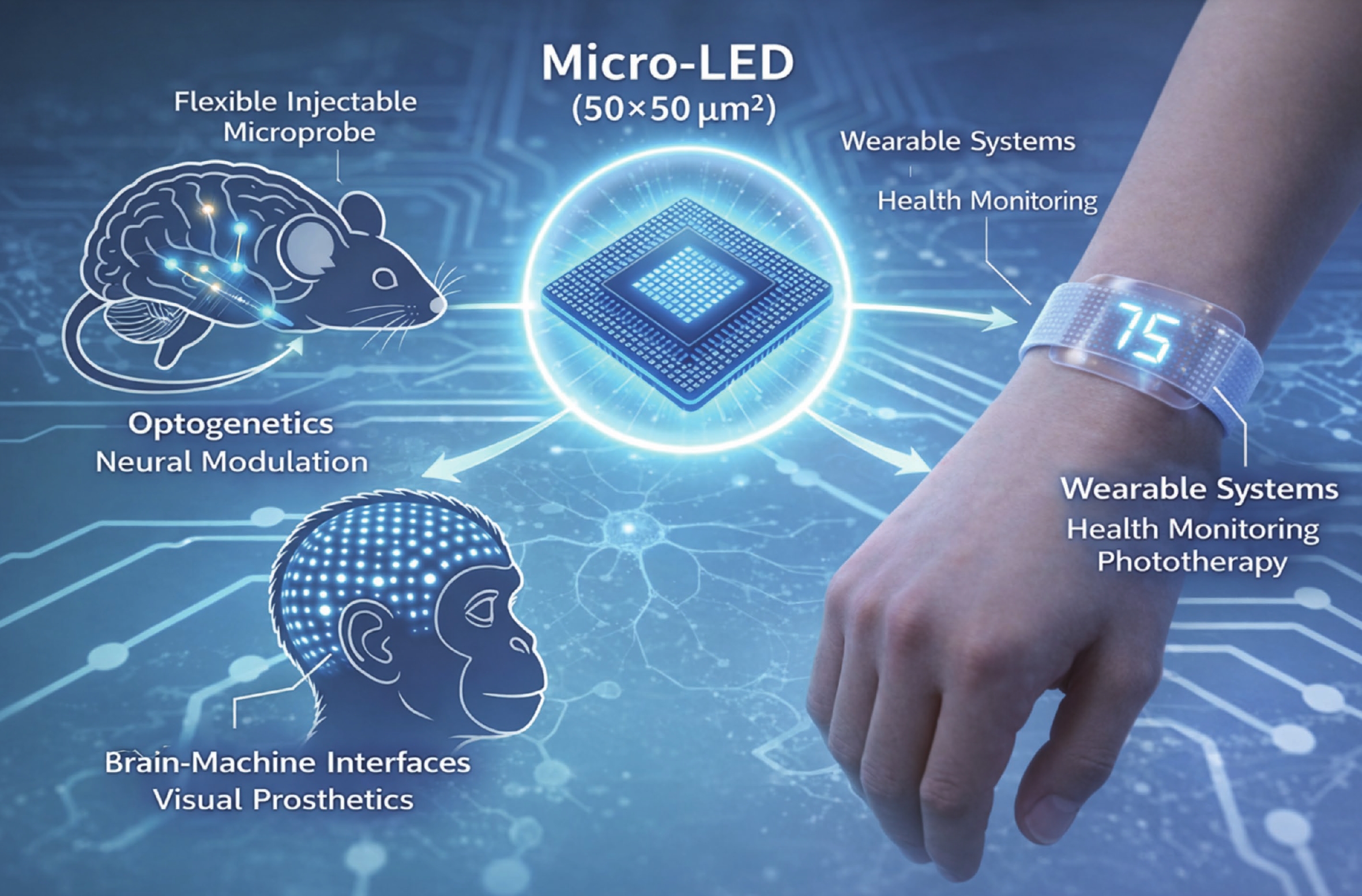
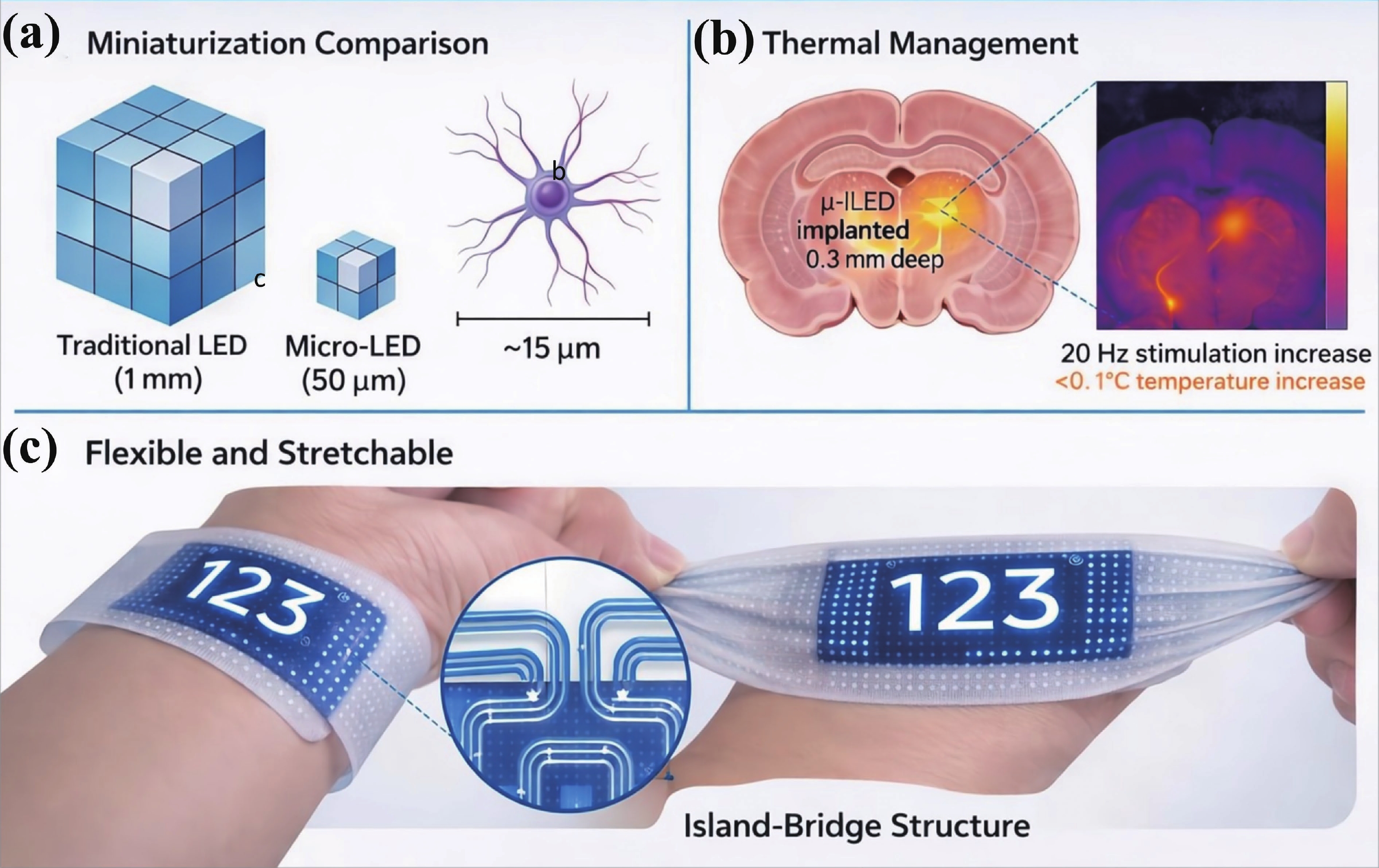
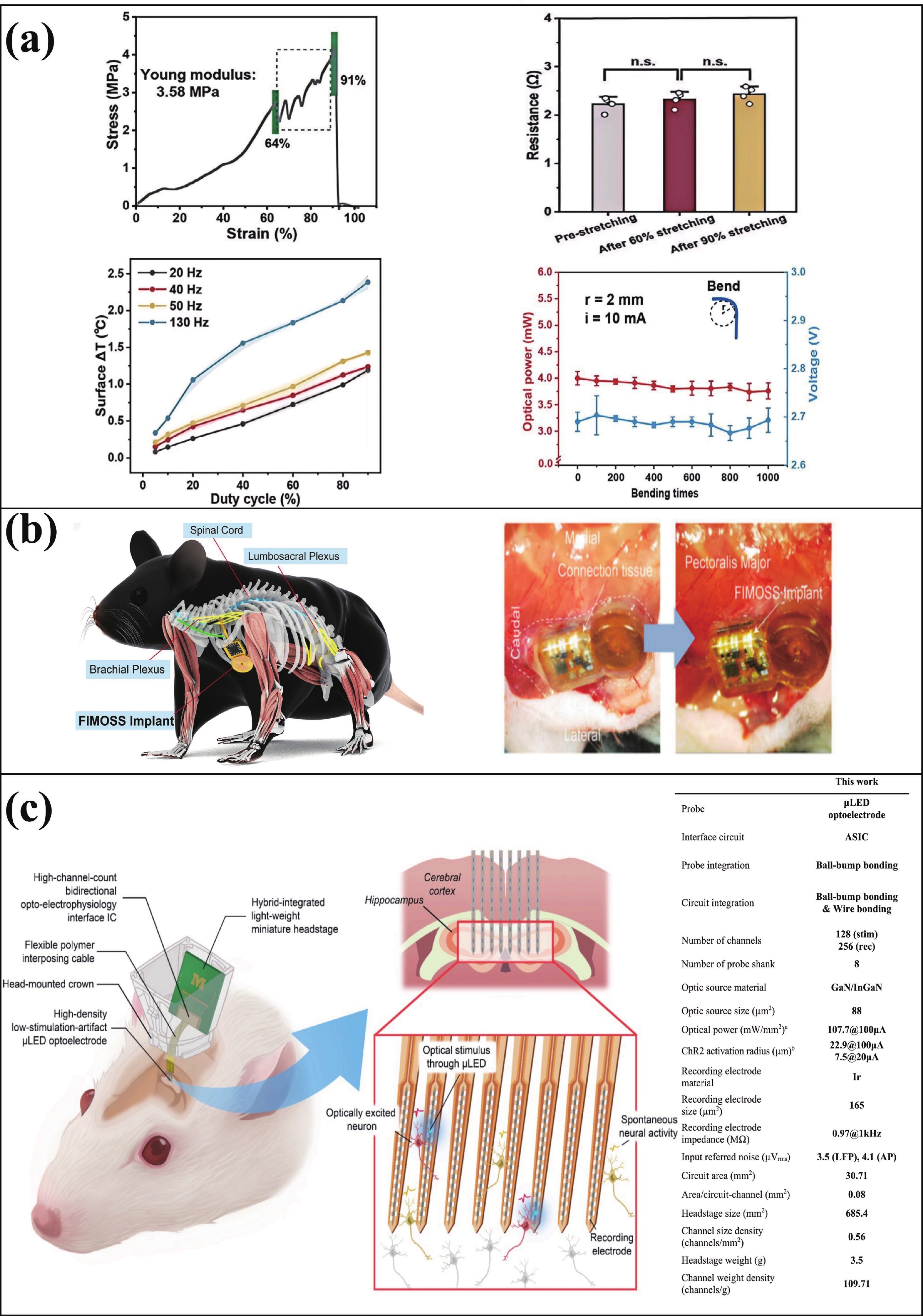
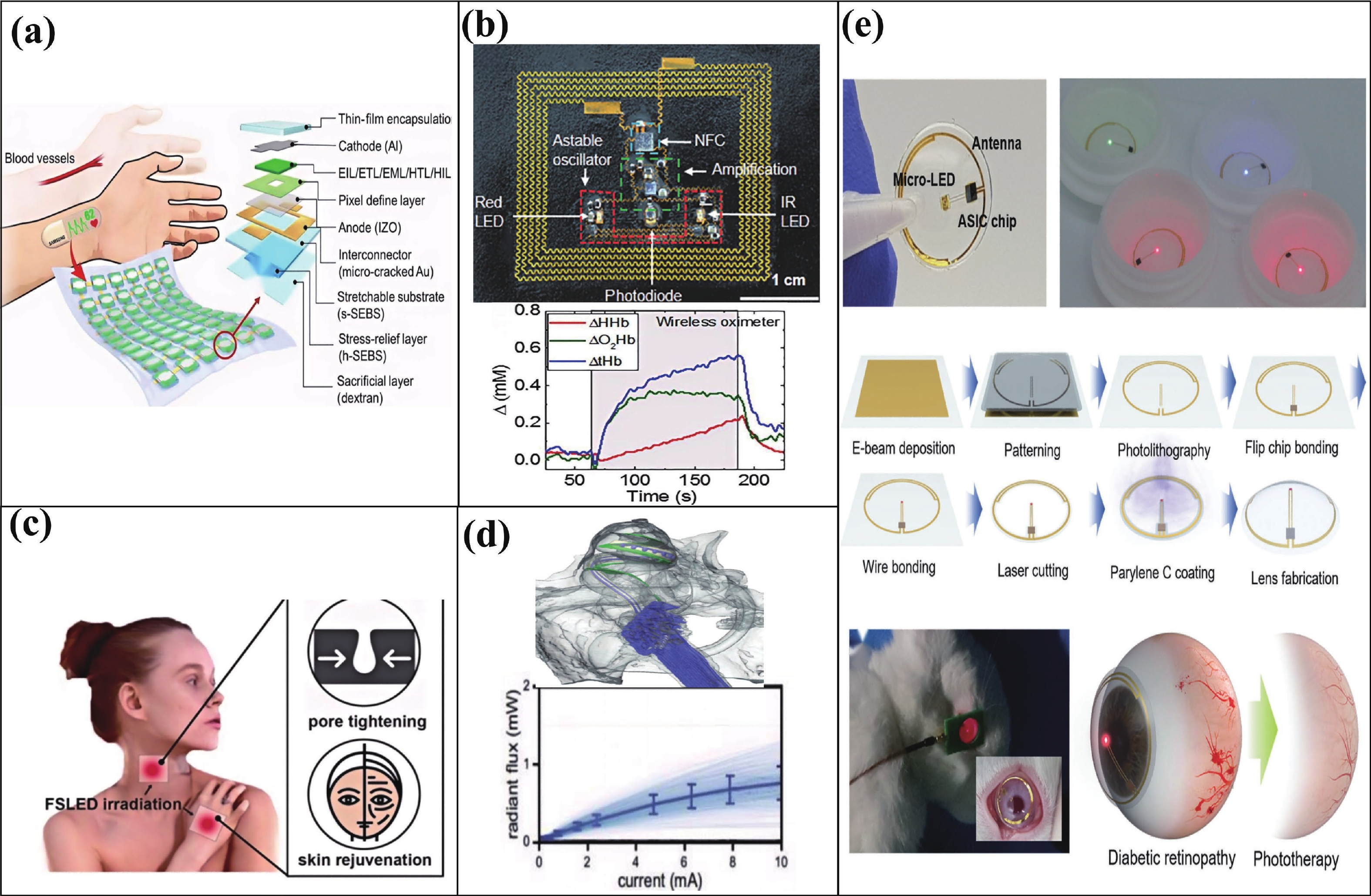
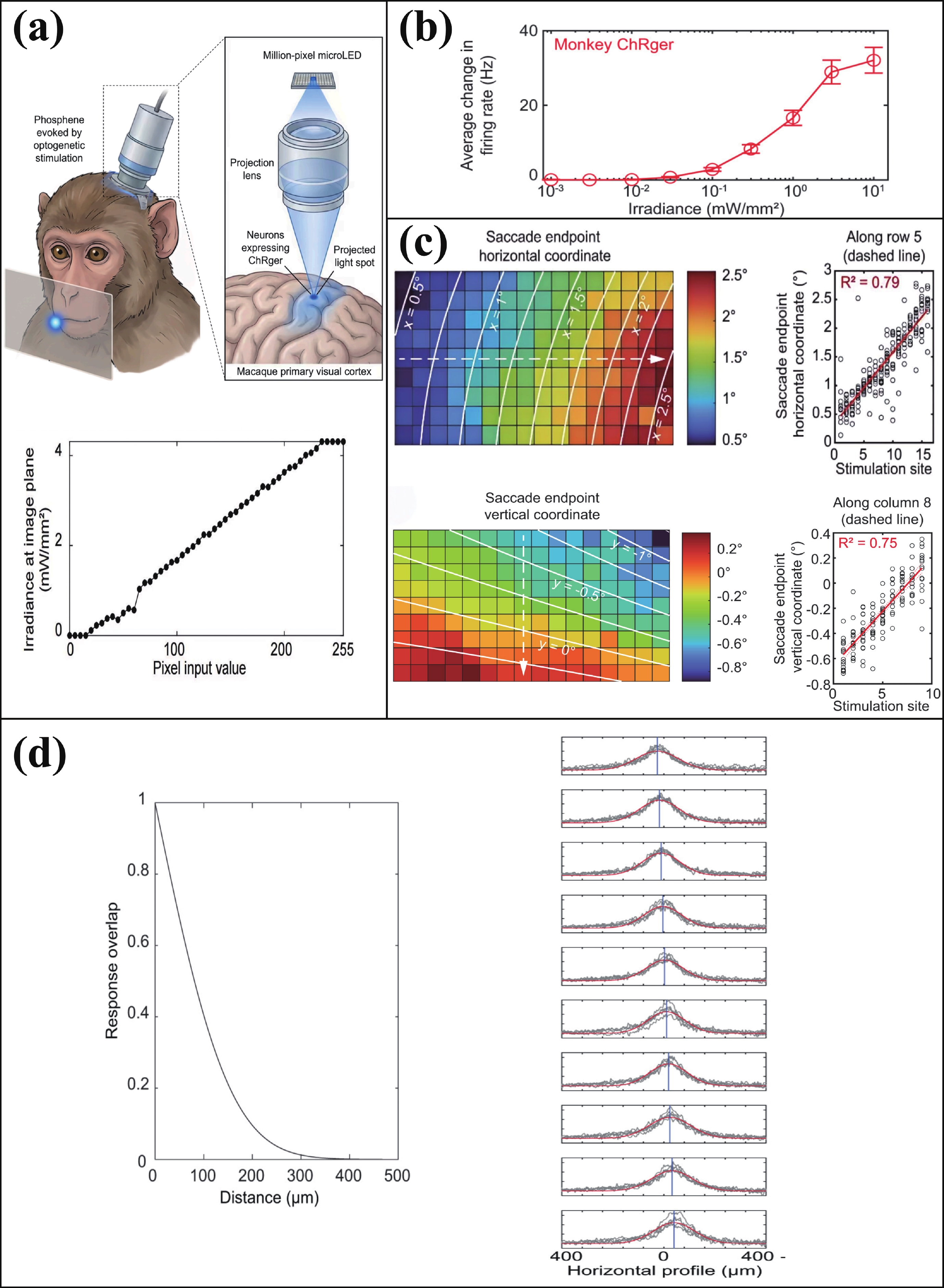
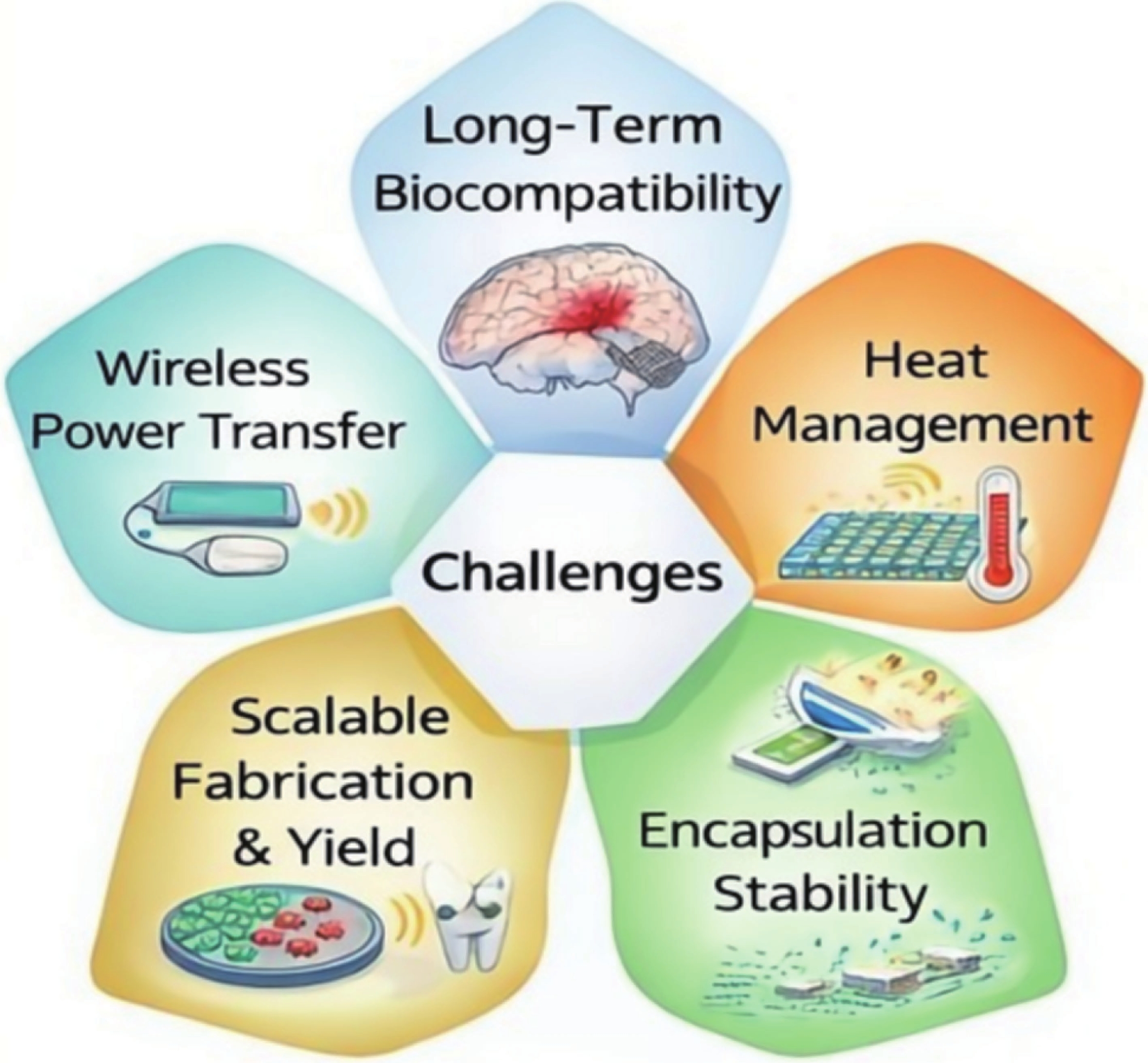
Micro-scale light-emitting diodes (Micro-LEDs) are evolving from display devices to powerful biomedical tools owing to their miniaturization, low power consumption, flexibility and multi-wavelength capability. This review summarizes advances in Micro-LED biomedicine (2024−2026). It introduces core enabling technologies and classifies applications into implantable systems, wearable platforms and brain−computer interfaces, covering optogenetics, cardiac/tumor therapy, epidermal healthcare, visual prostheses and all-optical neural interfaces. Key challenges including biocompatibility, heat dissipation and packaging are discussed. Prospects such as closed-loop intelligent systems, degradable devices and clinical translation are proposed. This review highlights Micro-LEDs’ great potential for next-generation precision medicine.
J. Semicond.
2026, 47(8): 081607 doi: 10.1088/1674-4926/26050029
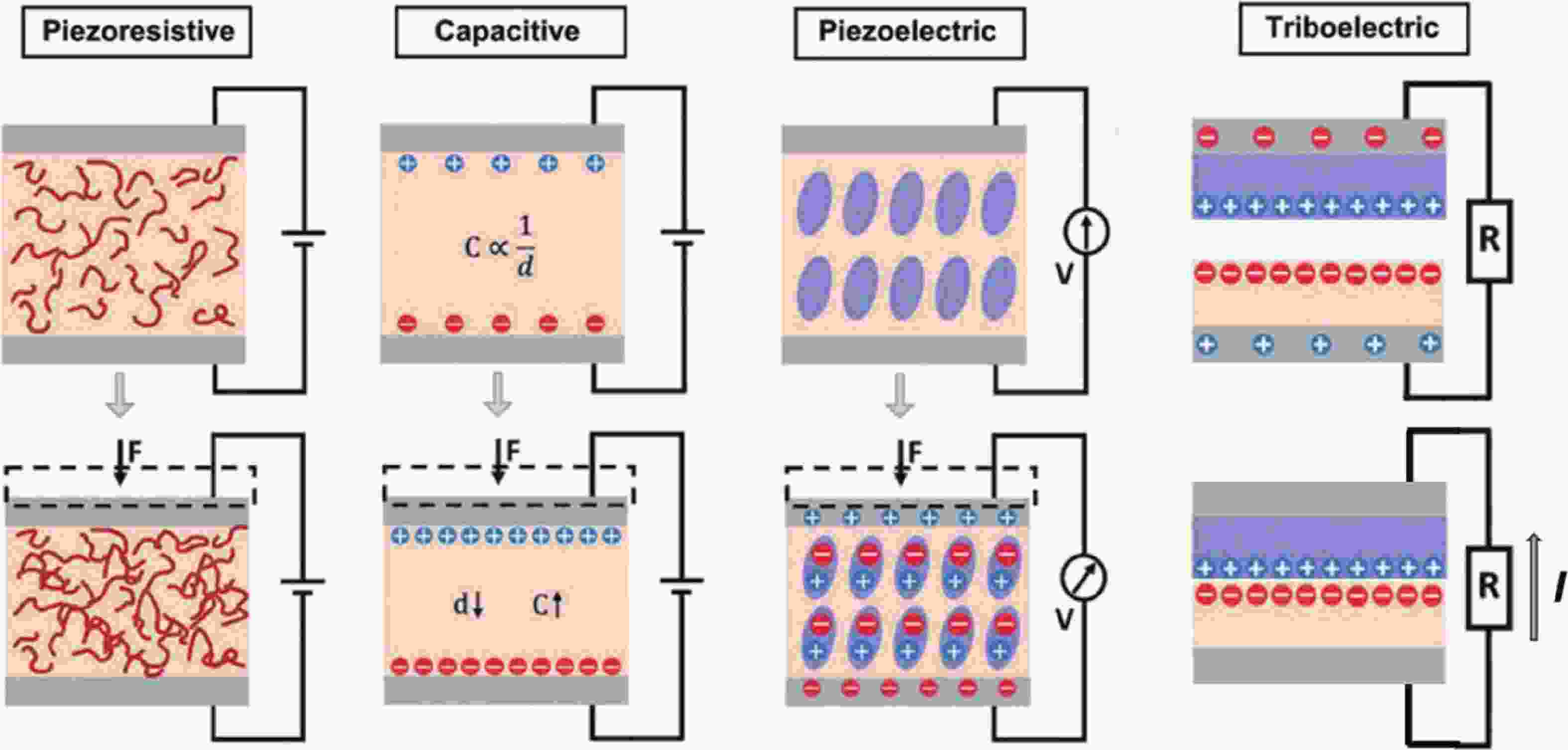
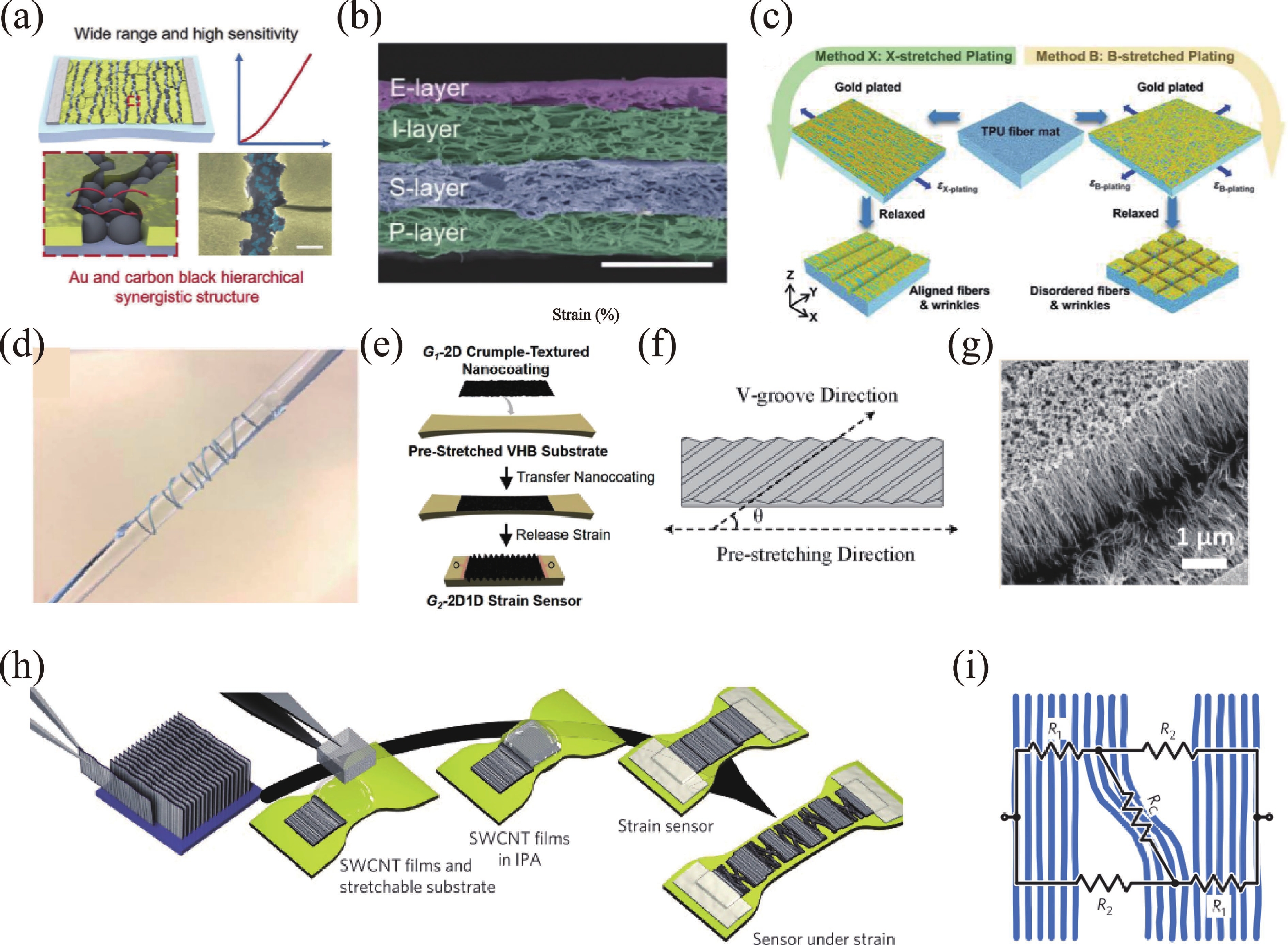
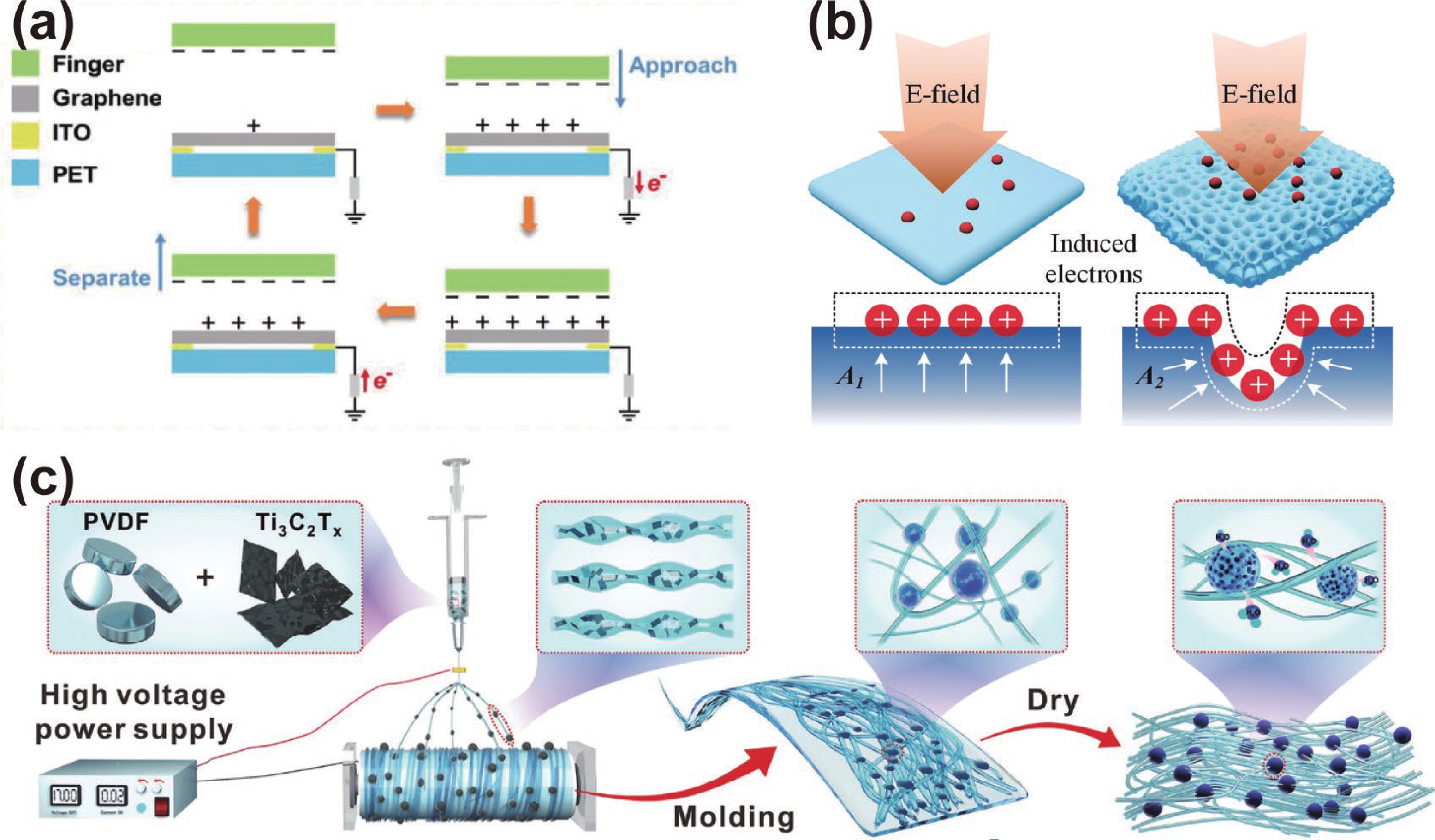
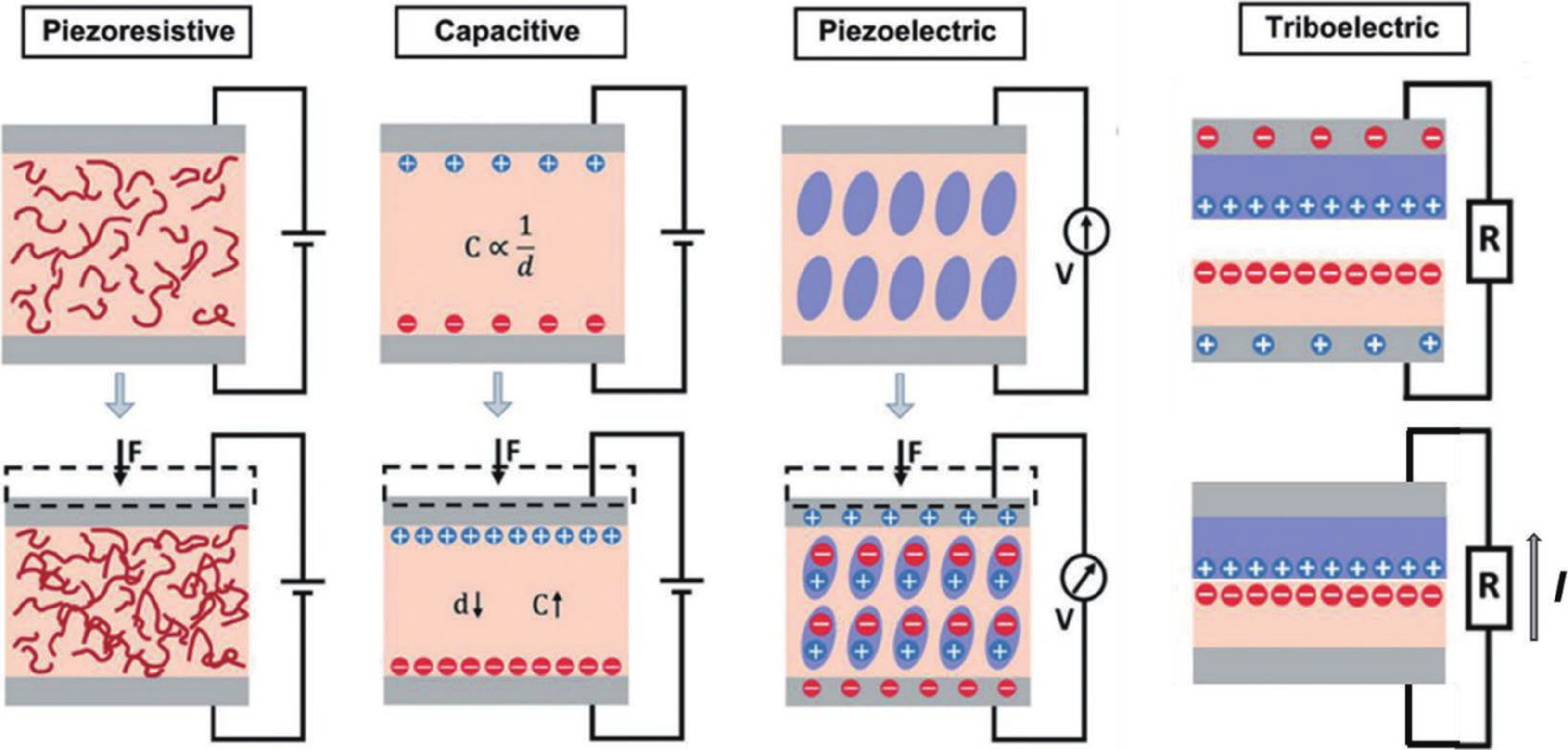
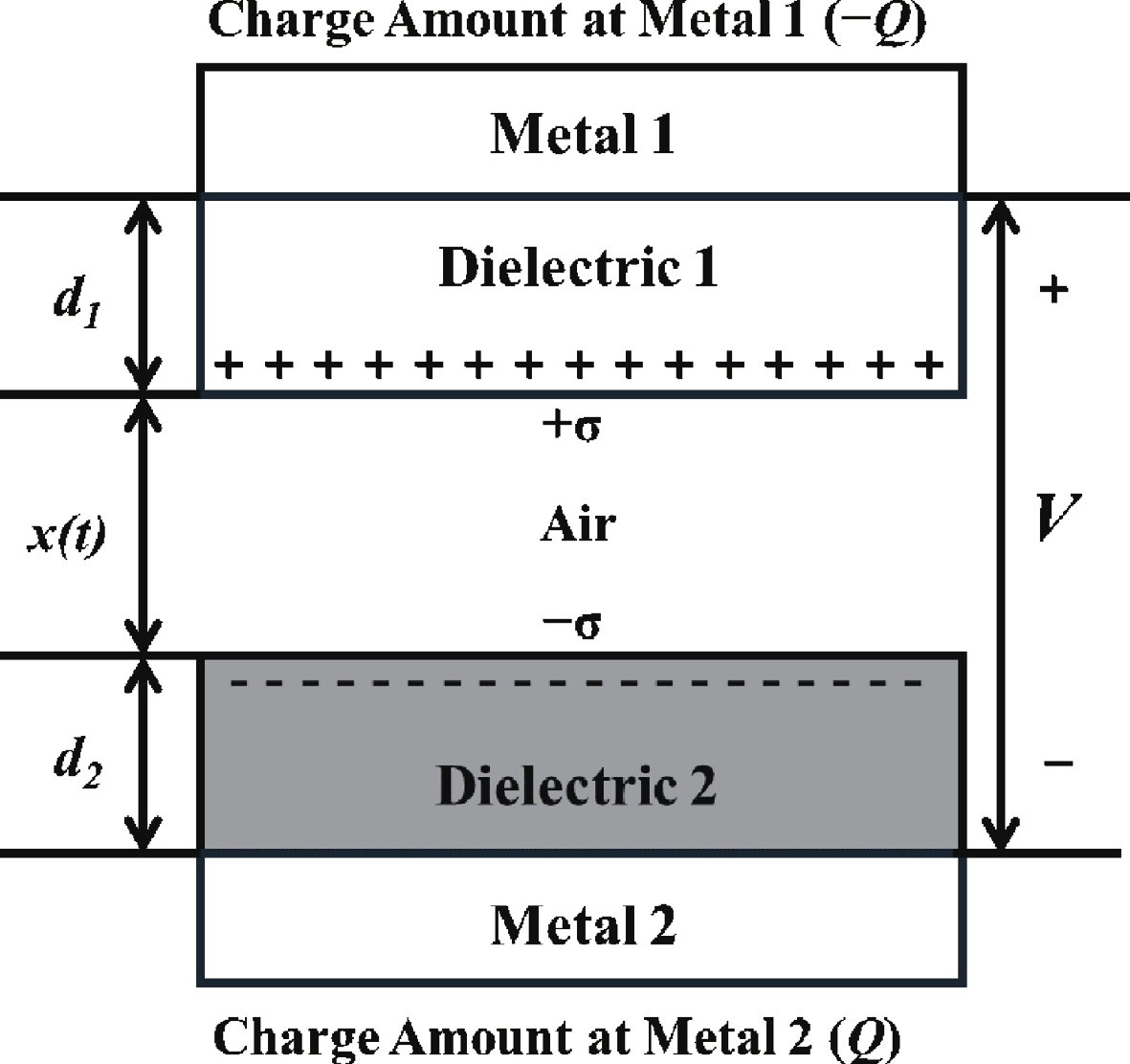
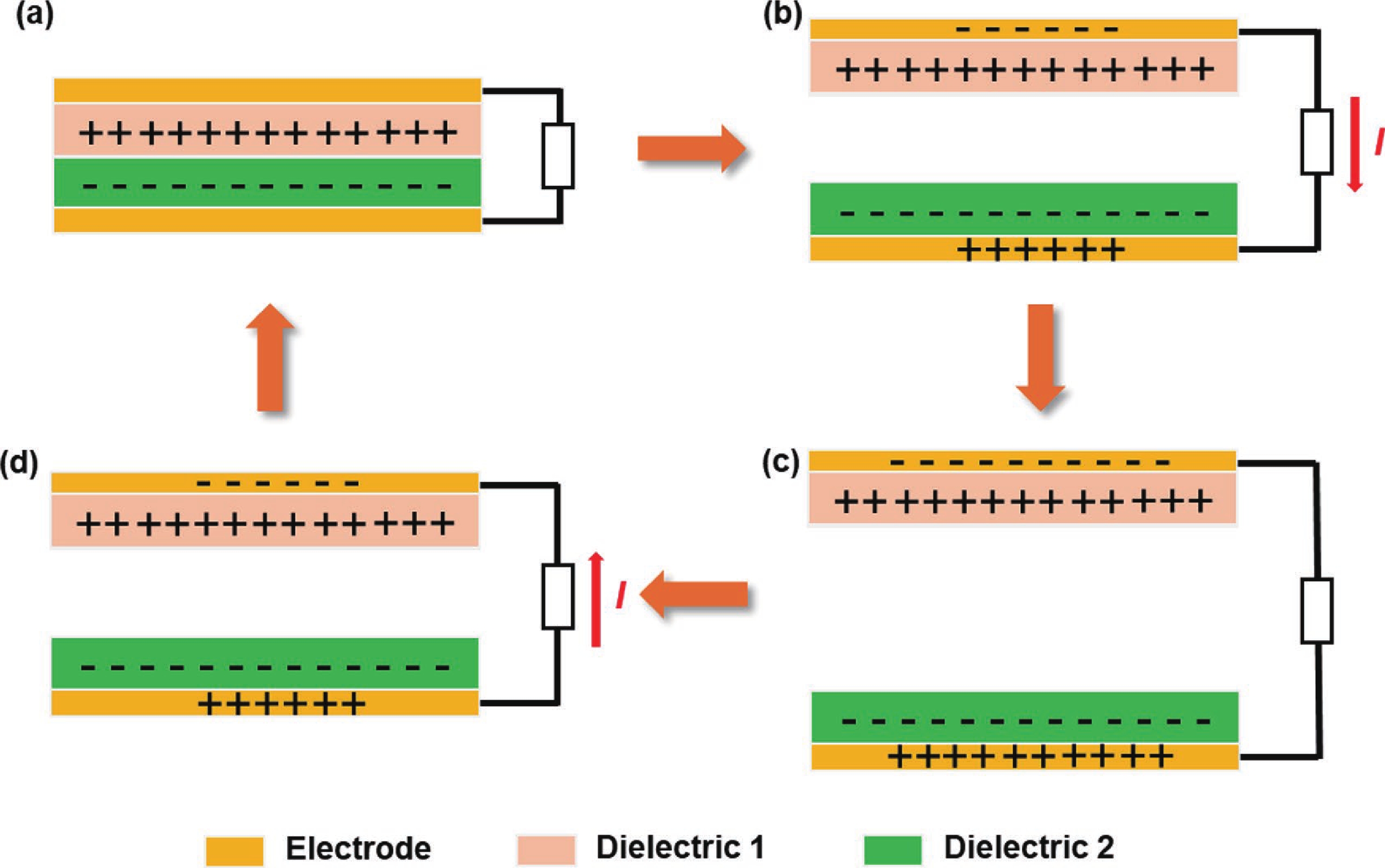
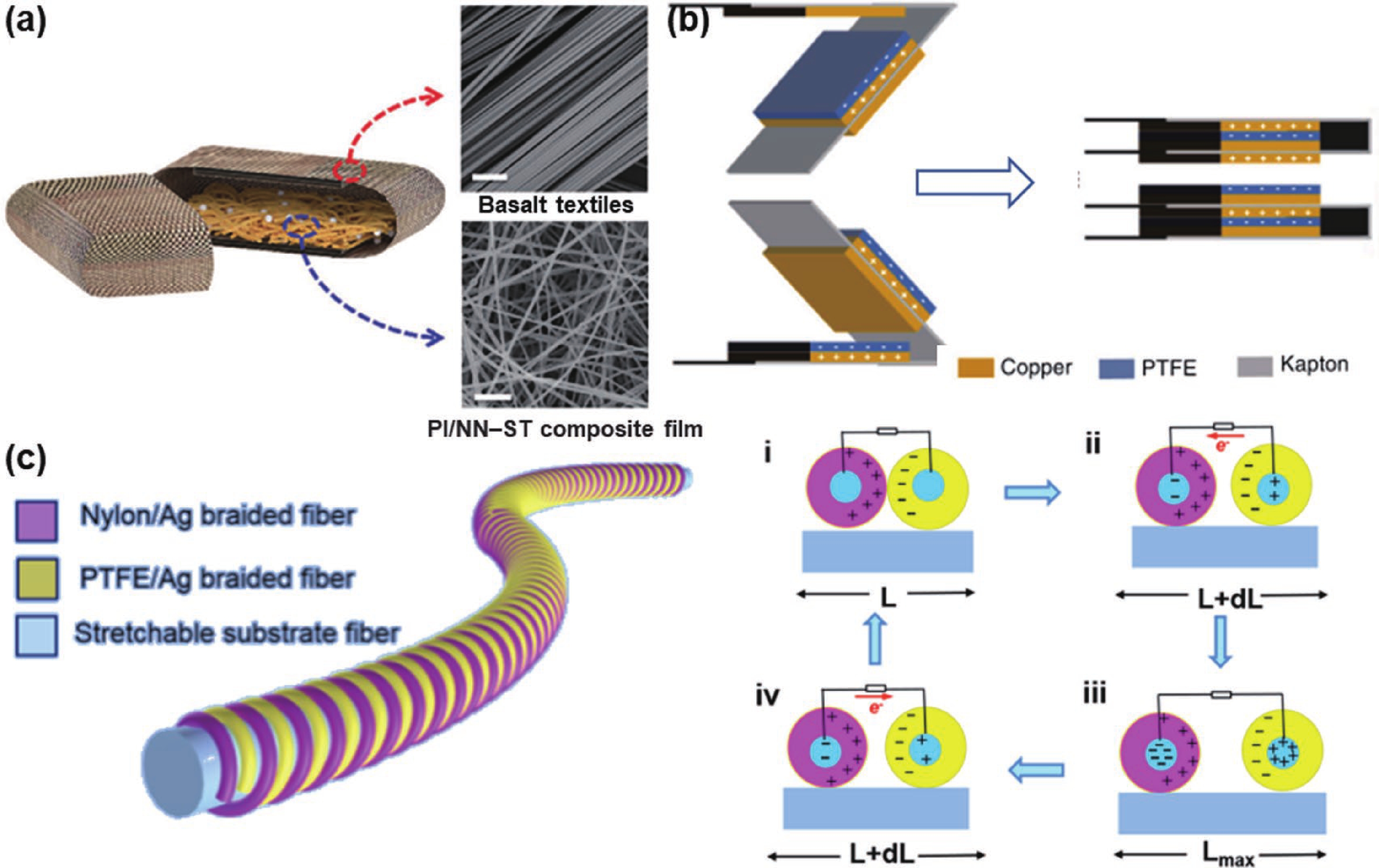
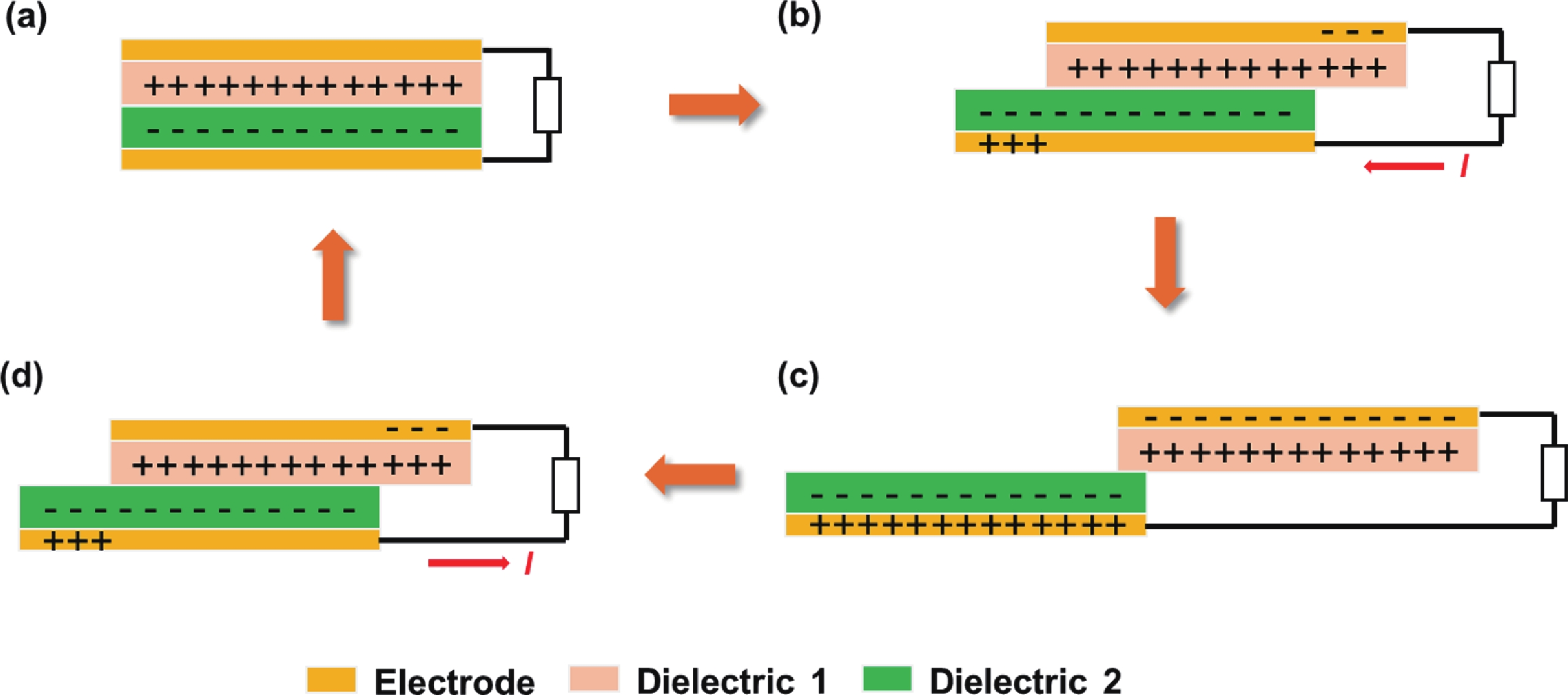
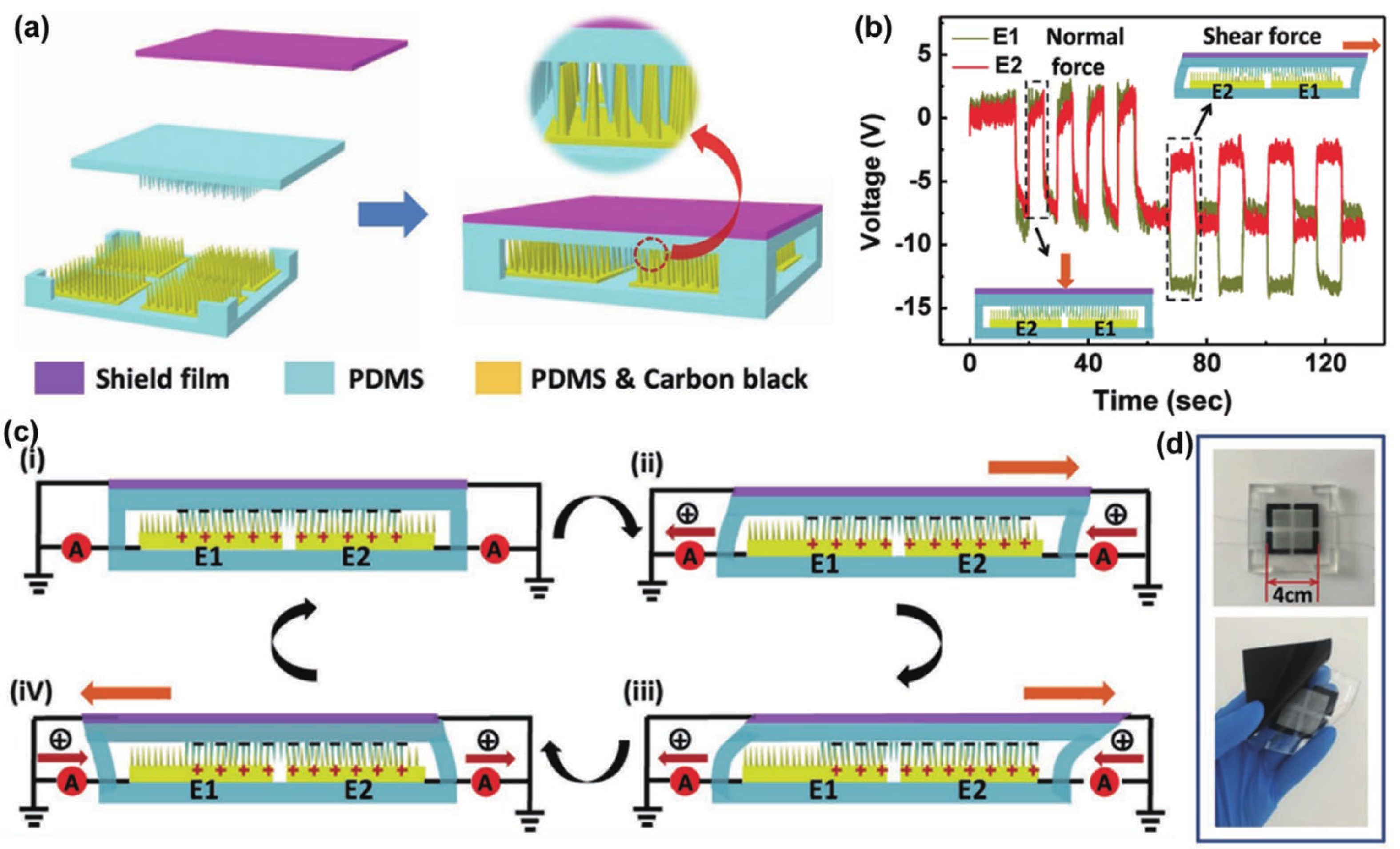
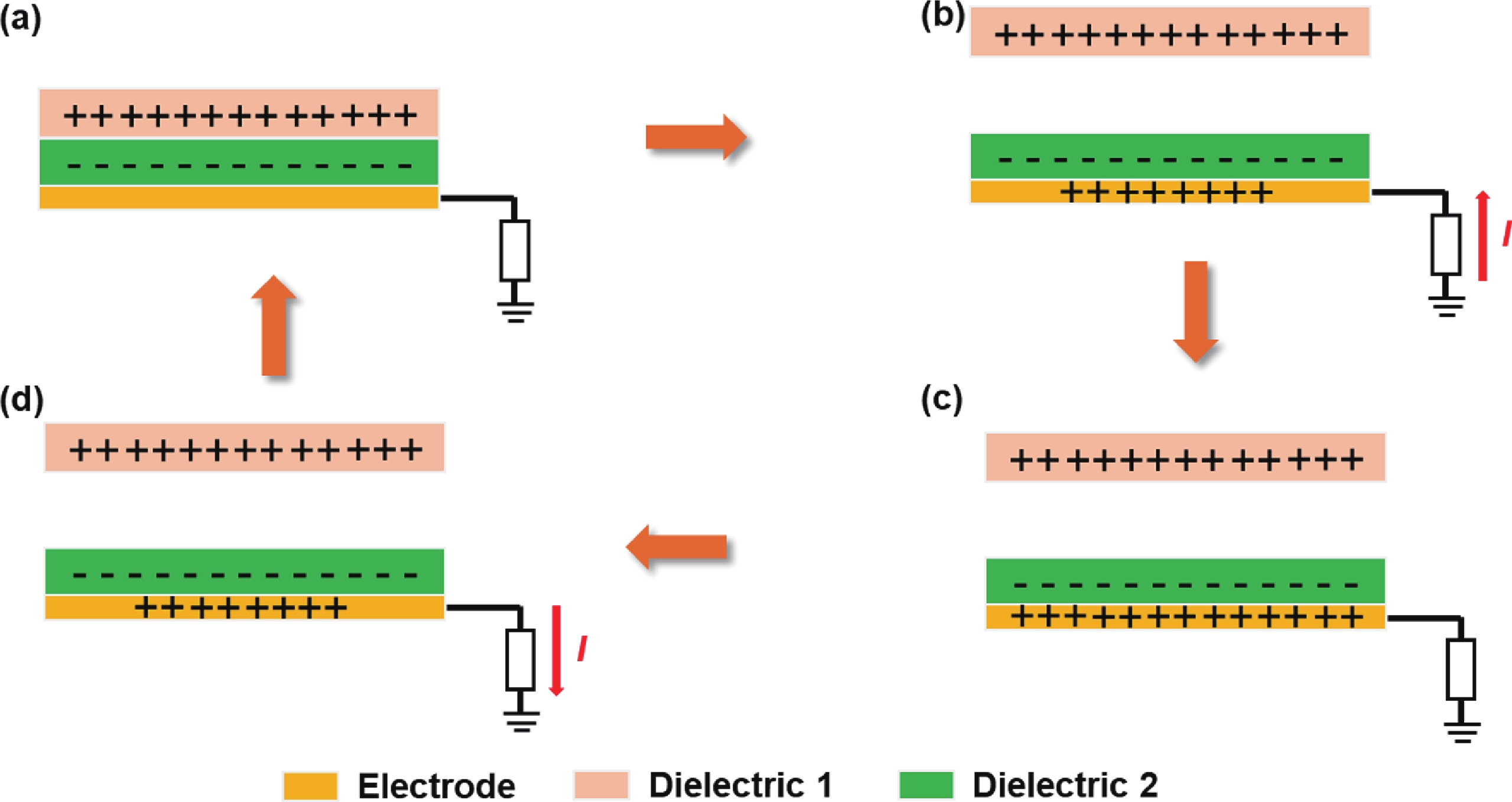
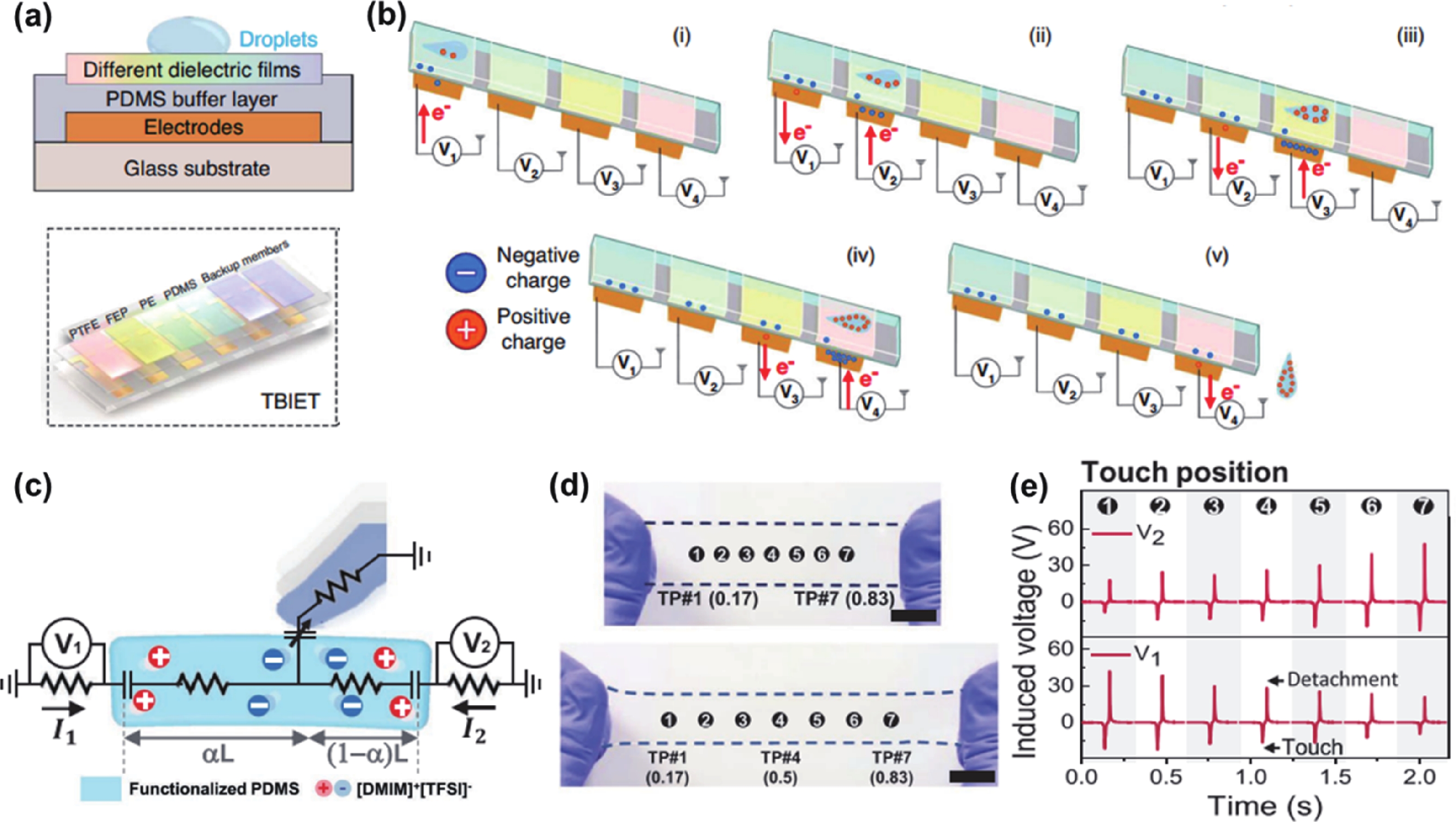
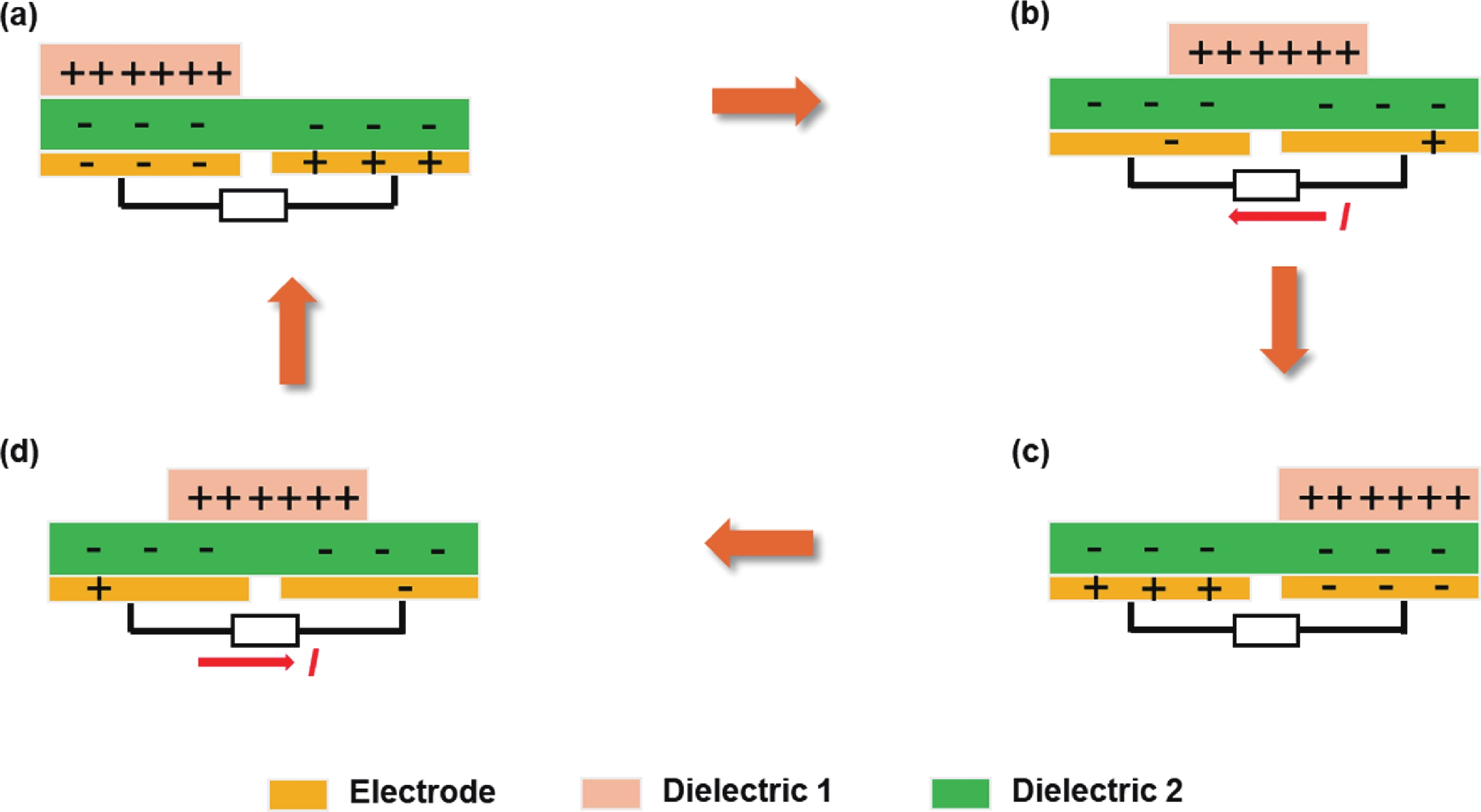
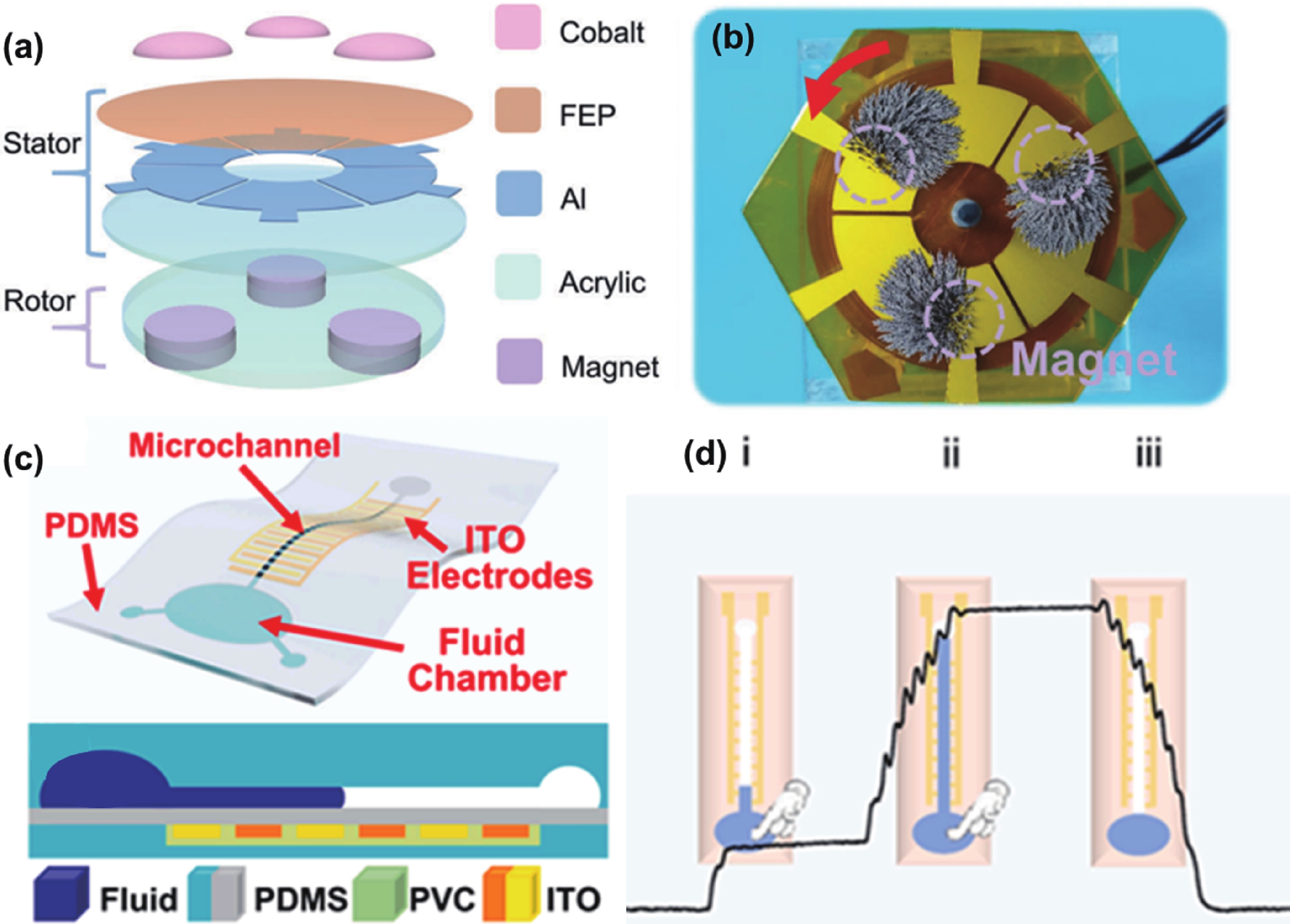
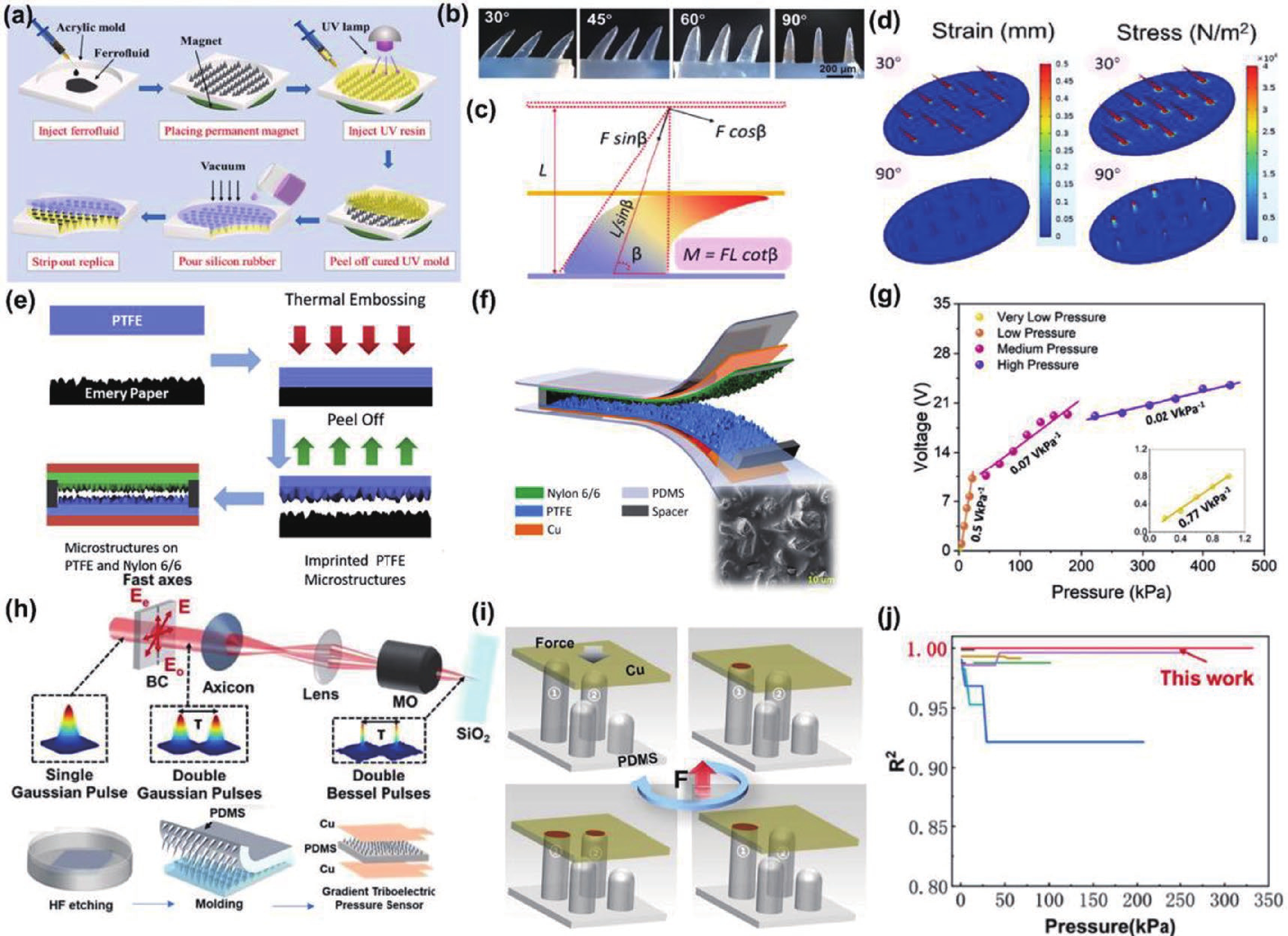
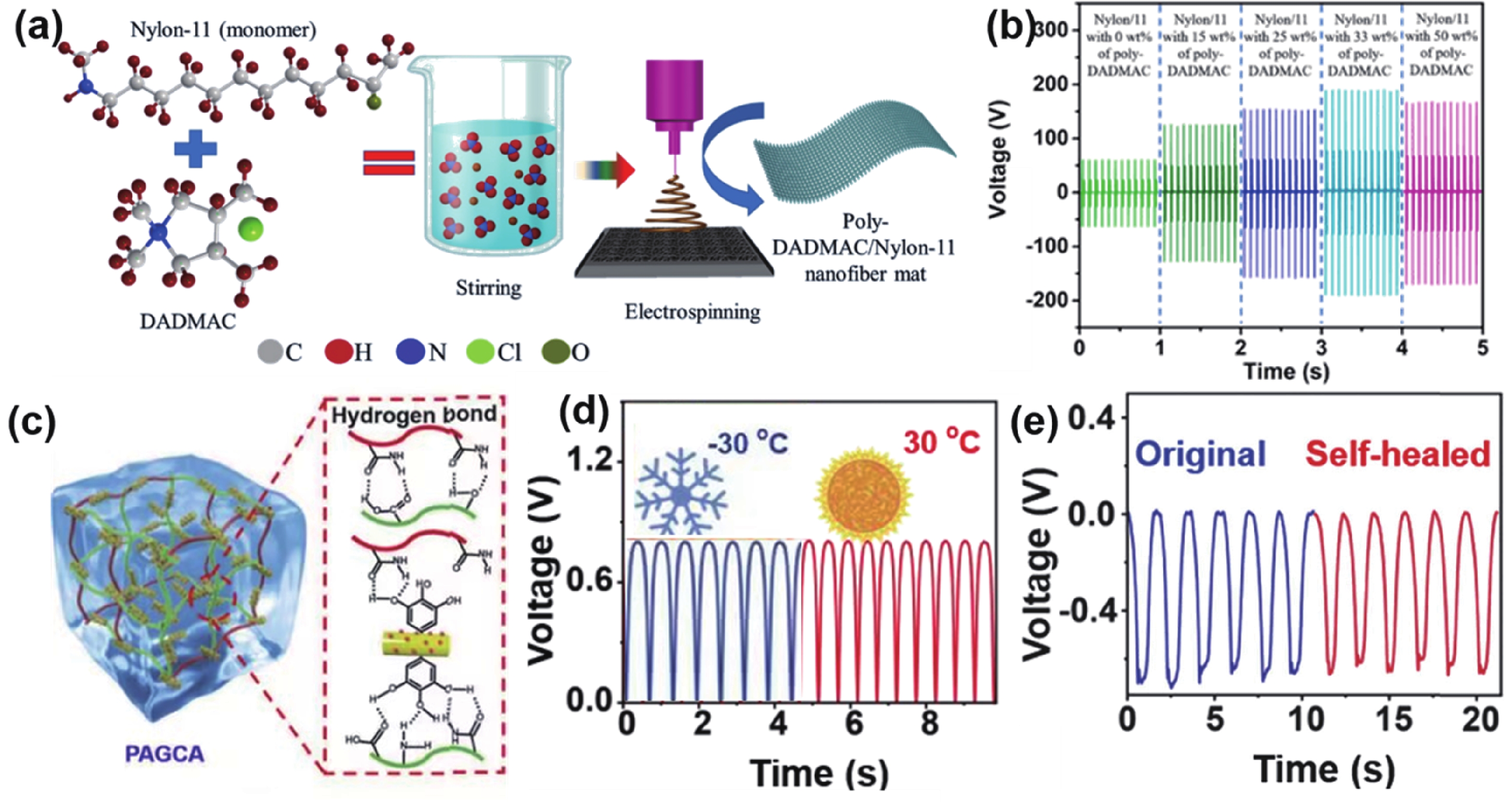
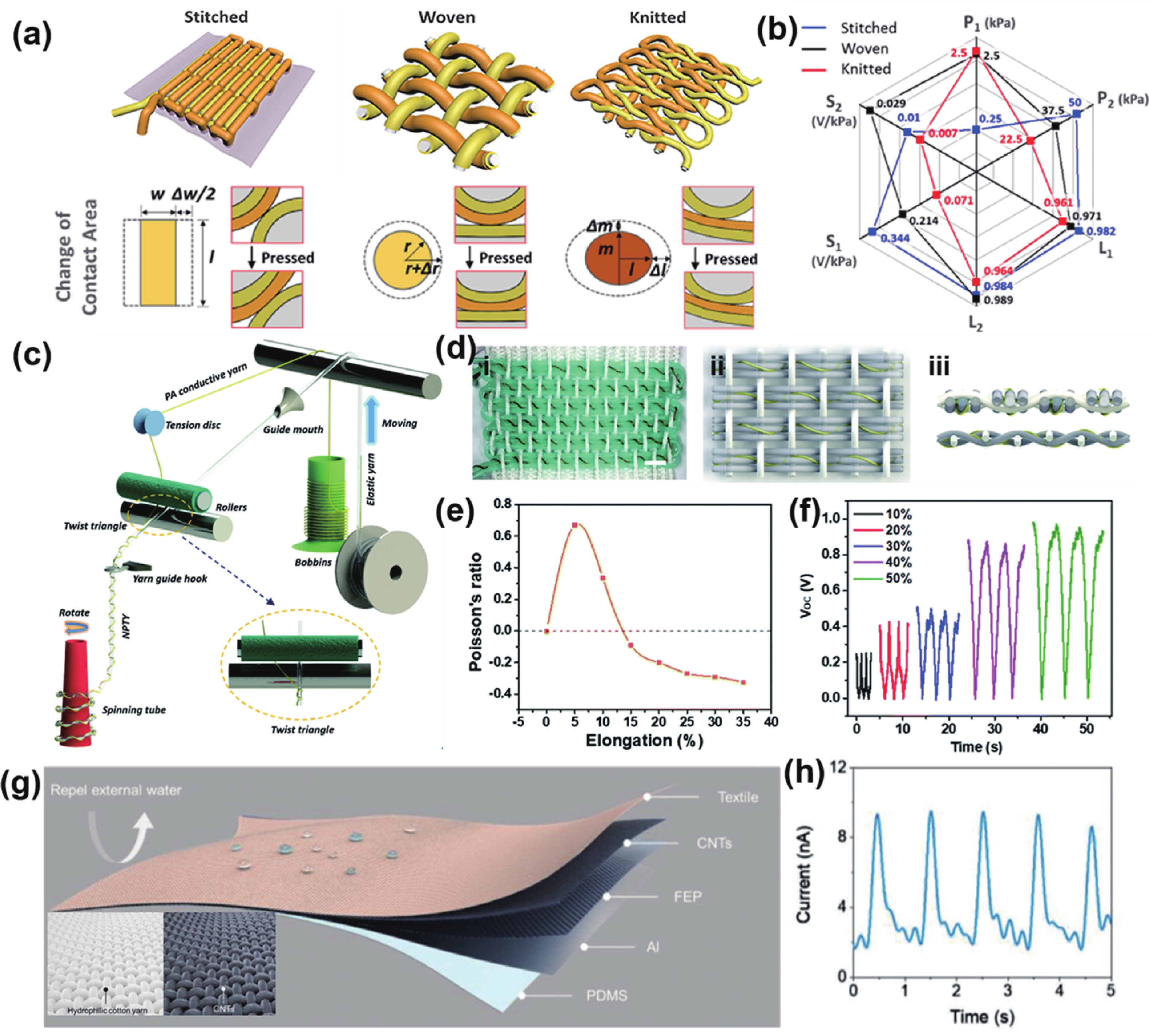
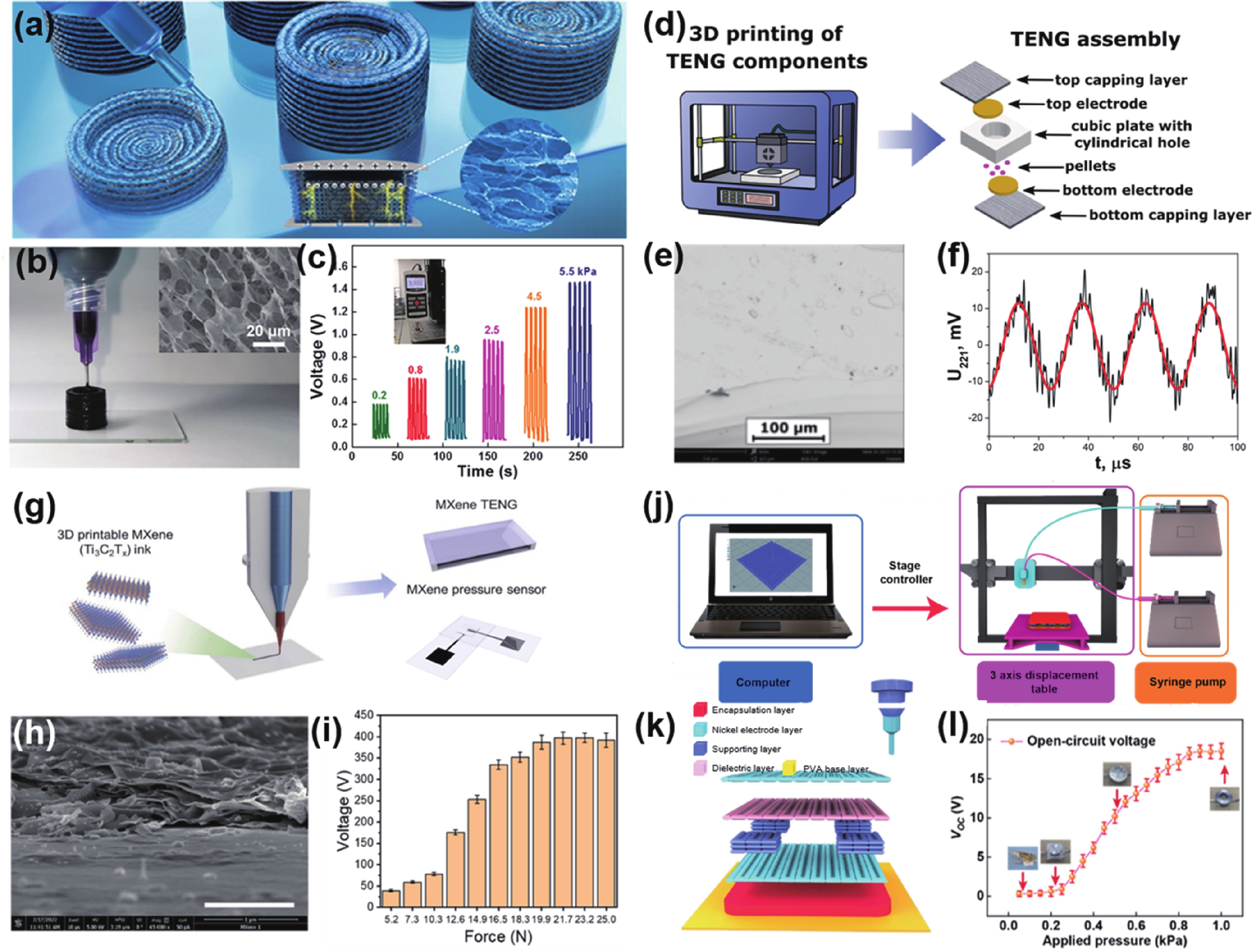
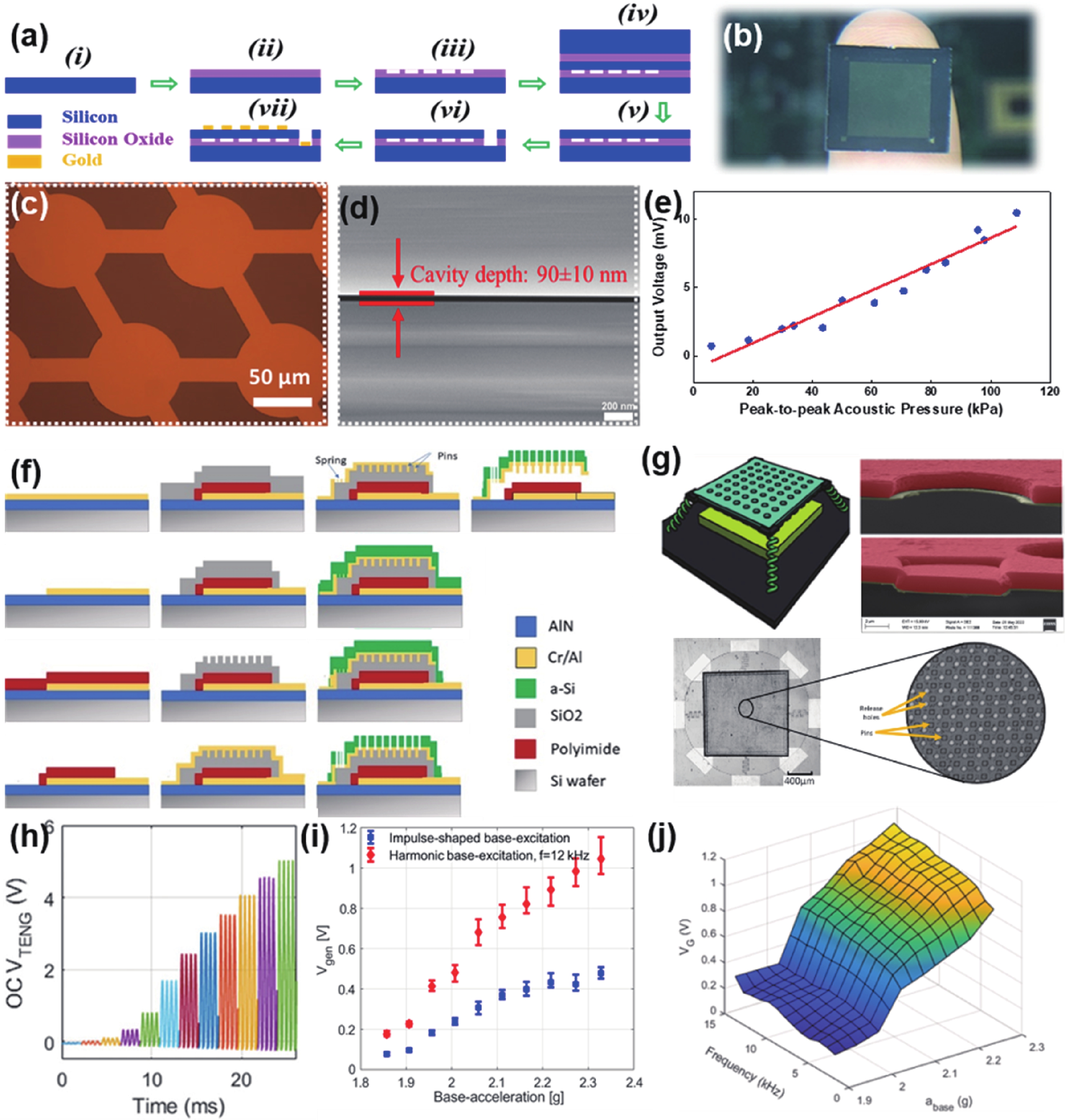
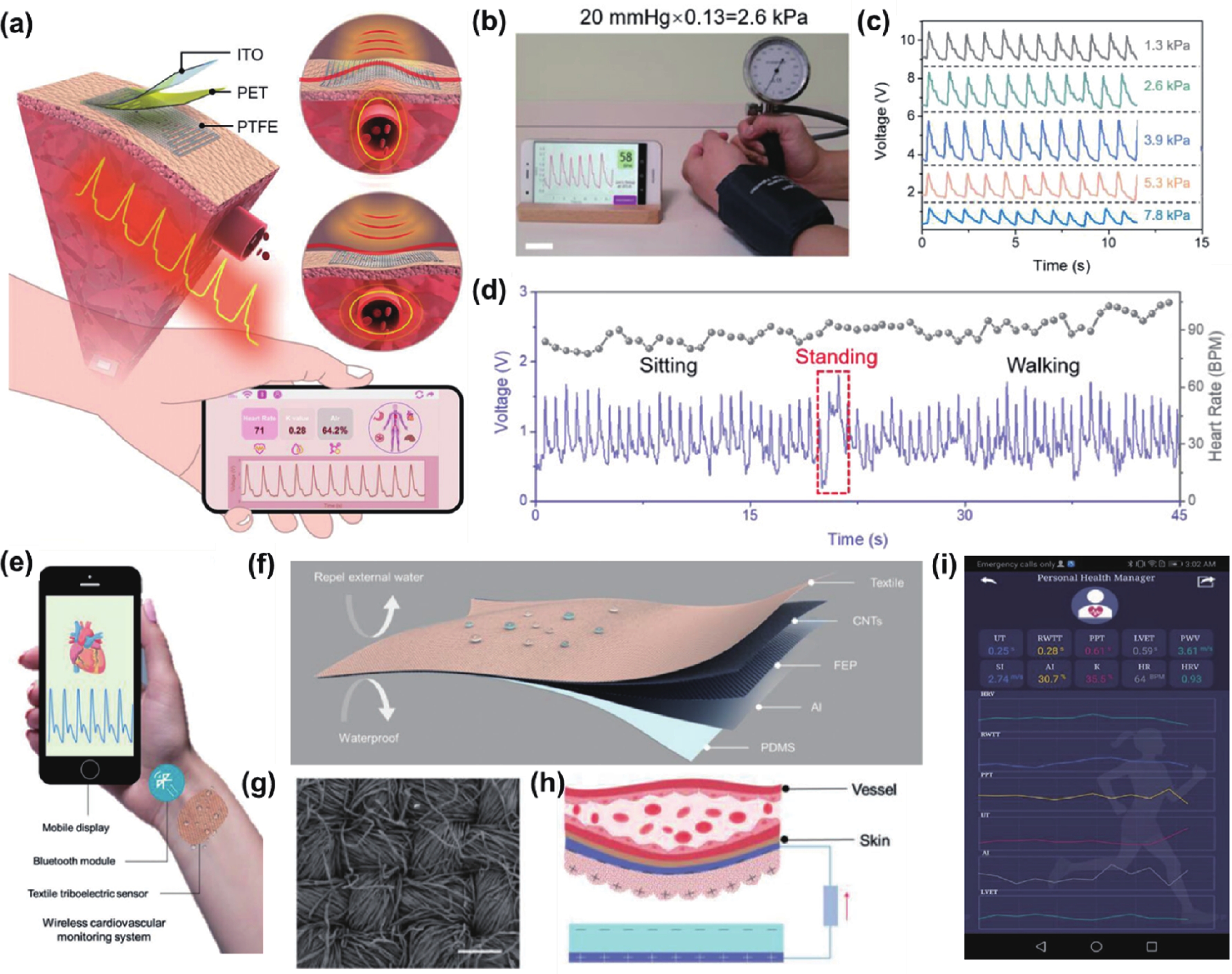
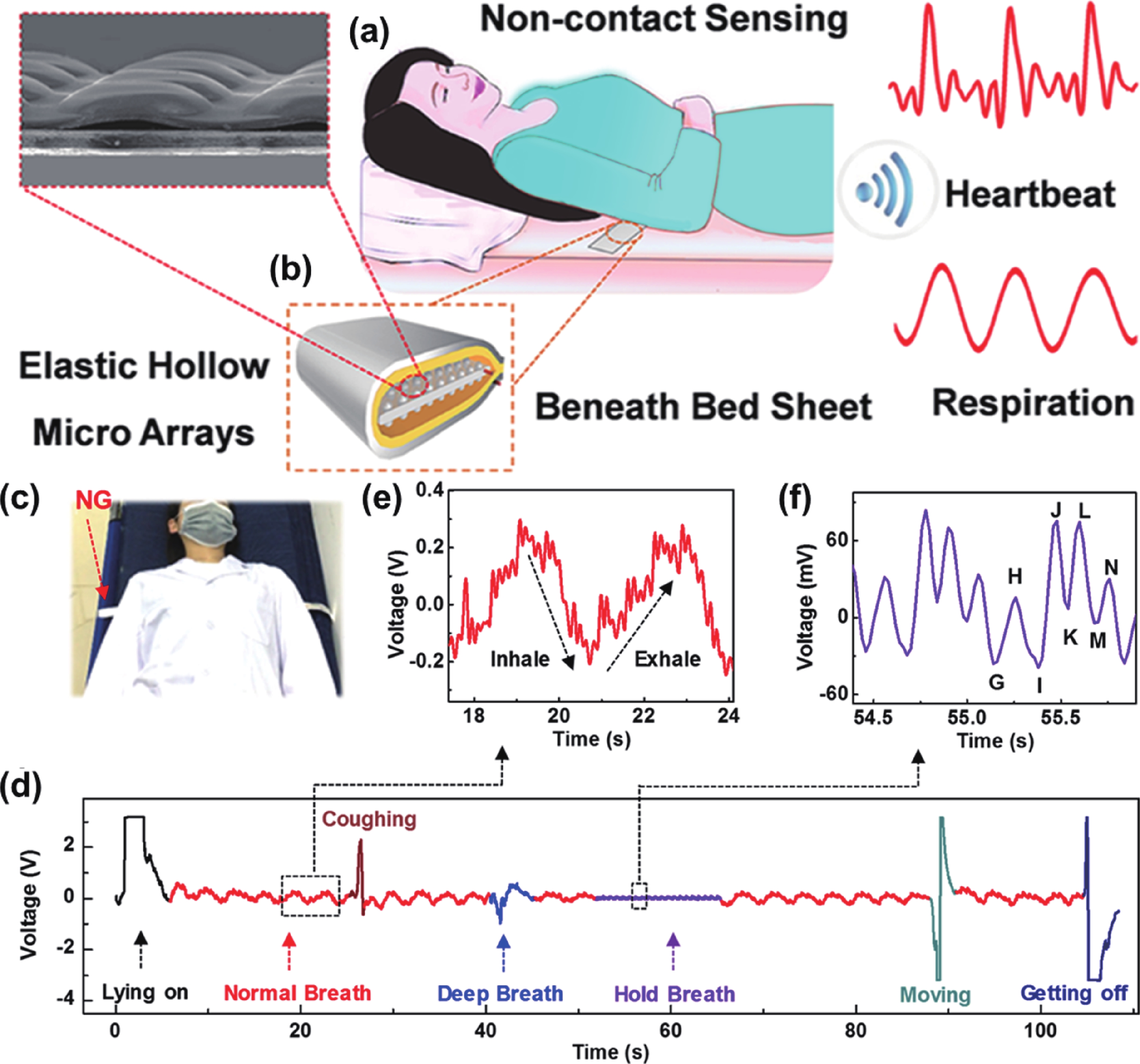
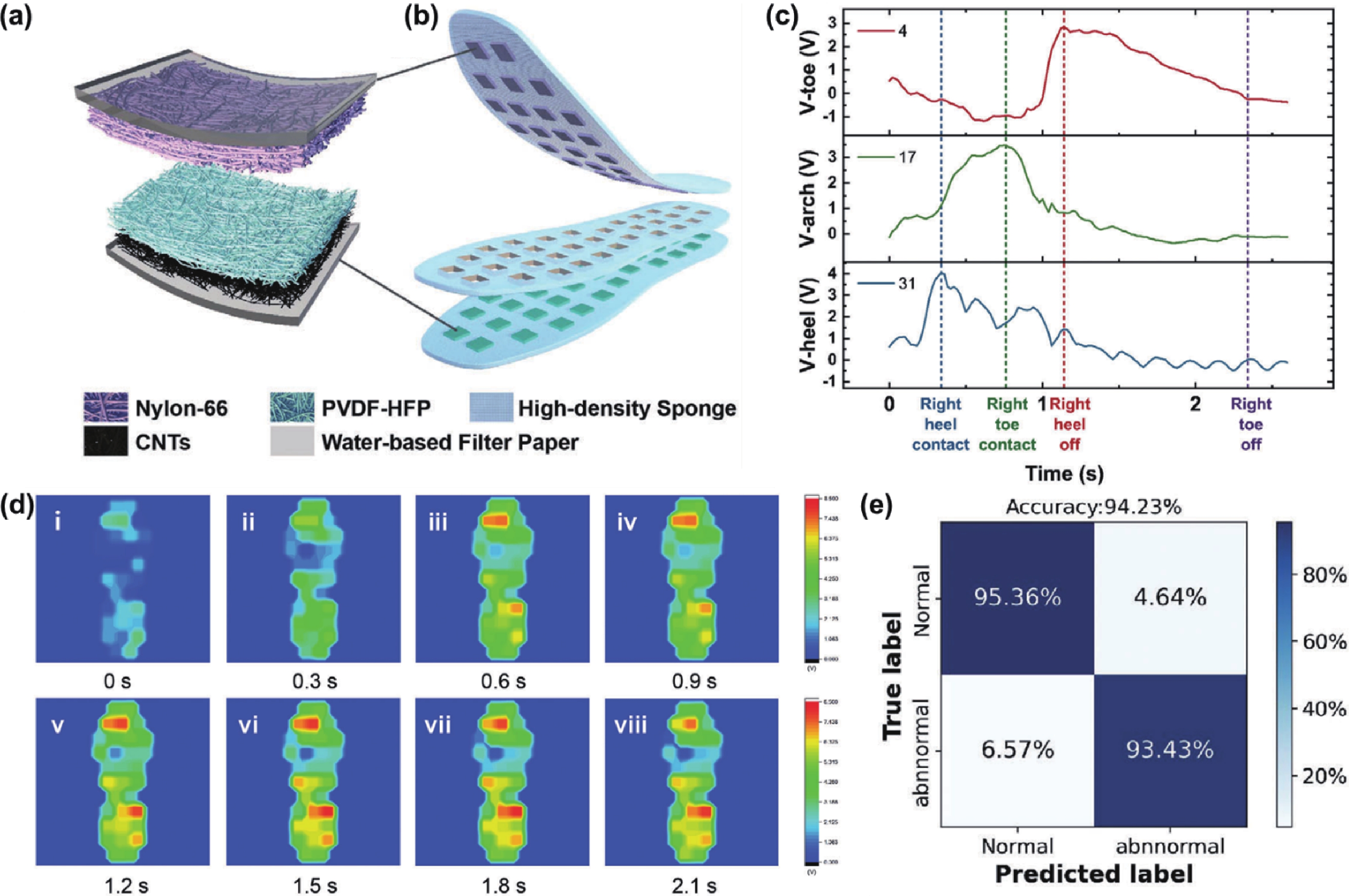
Real-time physiological signal monitoring transforms health management from 'passive treatment' to 'active prevention' and from 'vague perception' to 'precise control'. Triboelectric pressure sensing technology exhibits inherent advantages including high sensitivity, diverse material selection, and superior dynamic performance. It is highly compatible with flexible substrates, thus demonstrating enormous application potential in the monitoring of human physiological signals as well as human−computer interaction. In this review, we present the types and the advantages and disadvantages of pressure sensors. In addition, the basic principles and preparation methods of triboelectric pressure sensors are introduced, and their research progress in the field of human signal detection is summarized, including their applications in pulse signal monitoring, sleep monitoring, and gait detection. Finally, the constraints on the practical application of triboelectric pressure sensors are discussed. This review is expected to provide readers with some general strategies and novel ideas for conducting in-depth research on sensors with better performance for physiological signal recognition.
J. Semicond.
2026, 47(8): 081608 doi: 10.1088/1674-4926/26050024
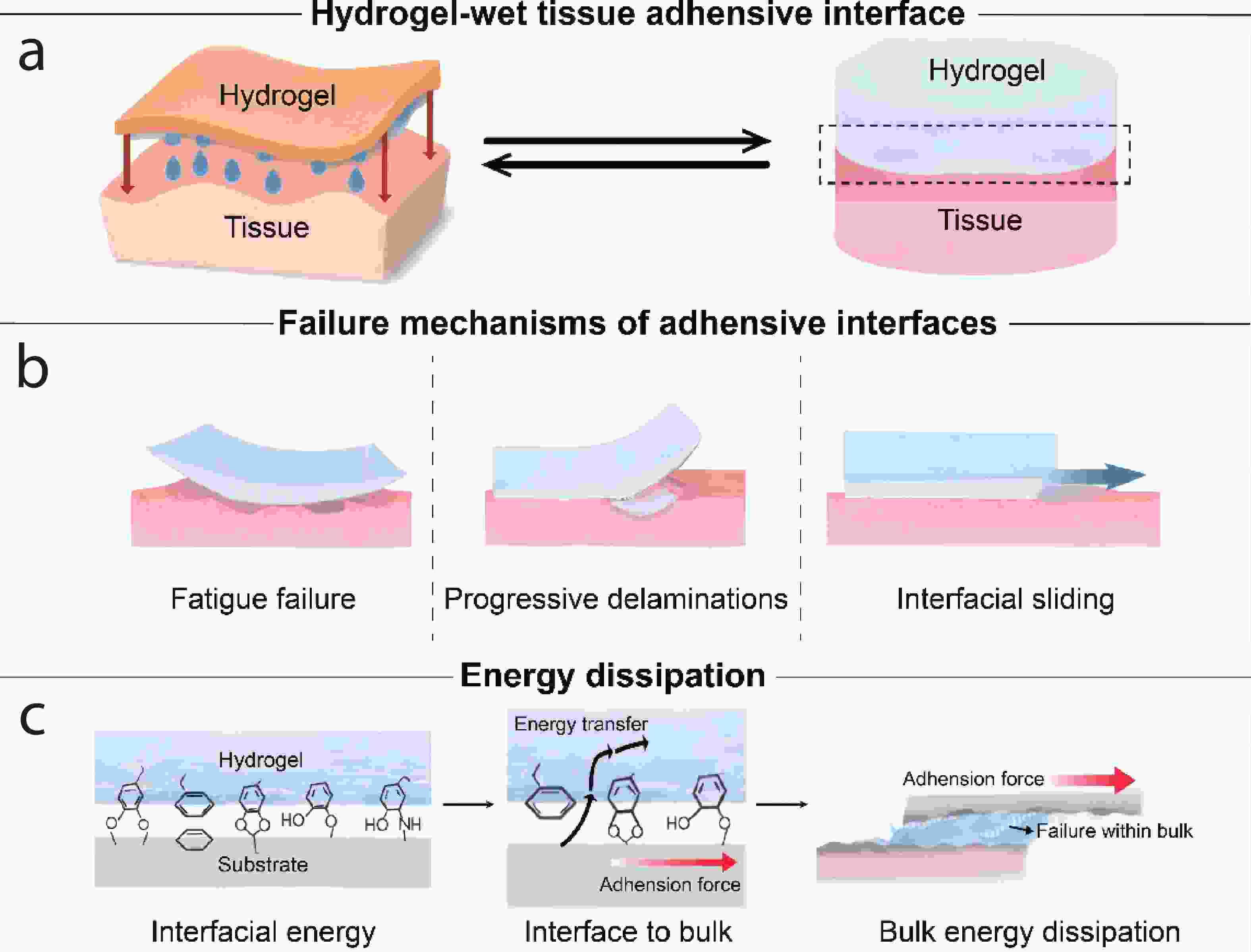
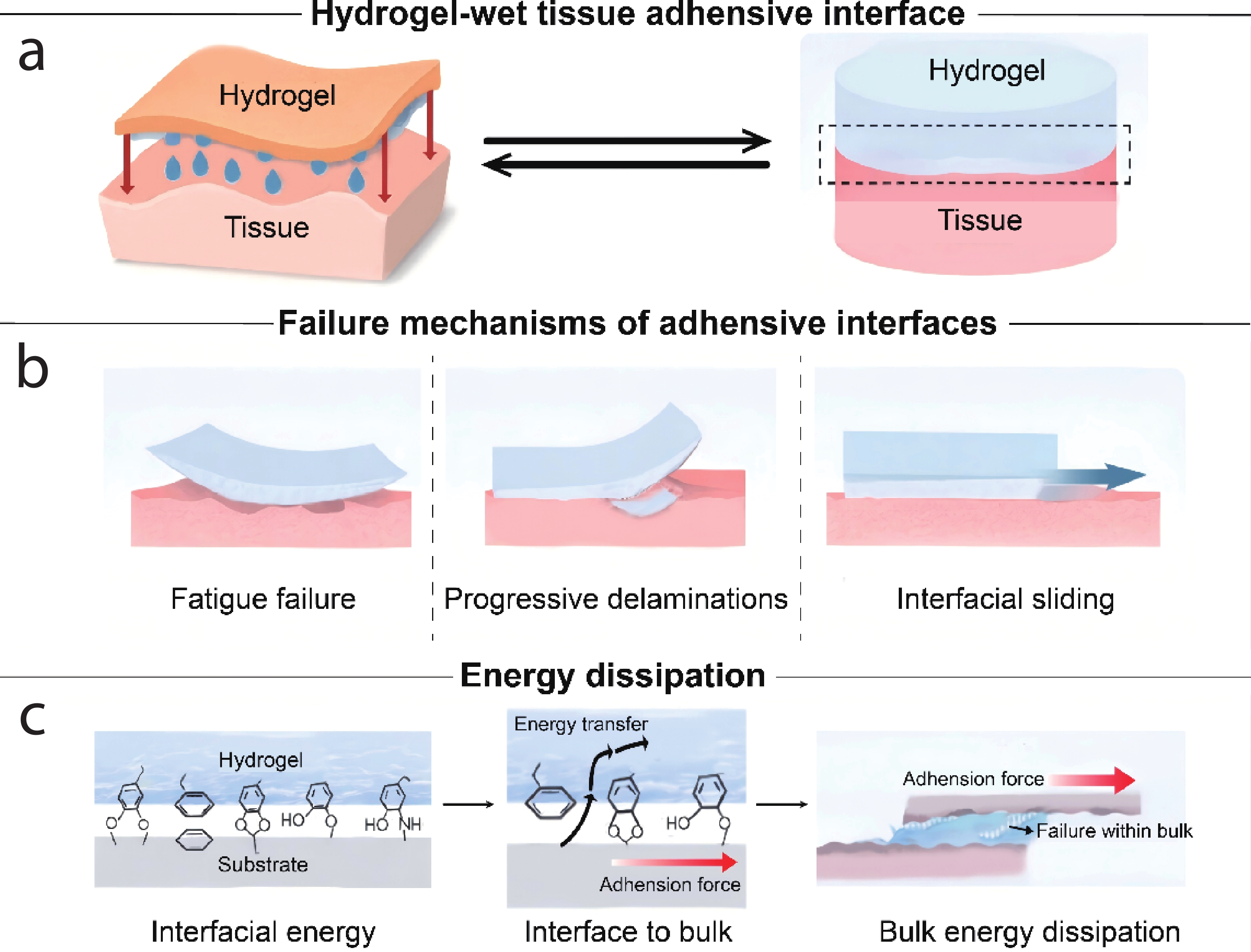
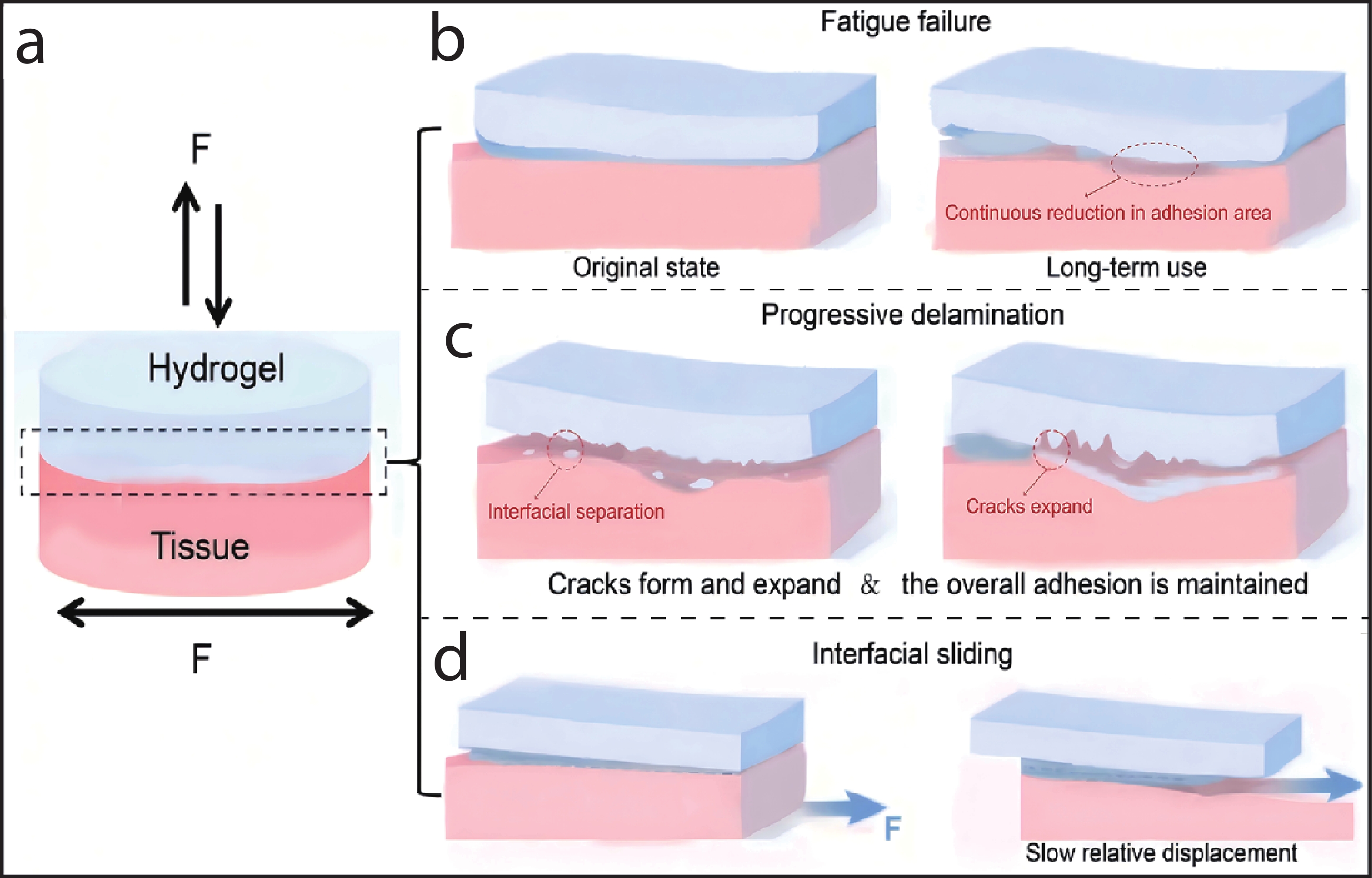
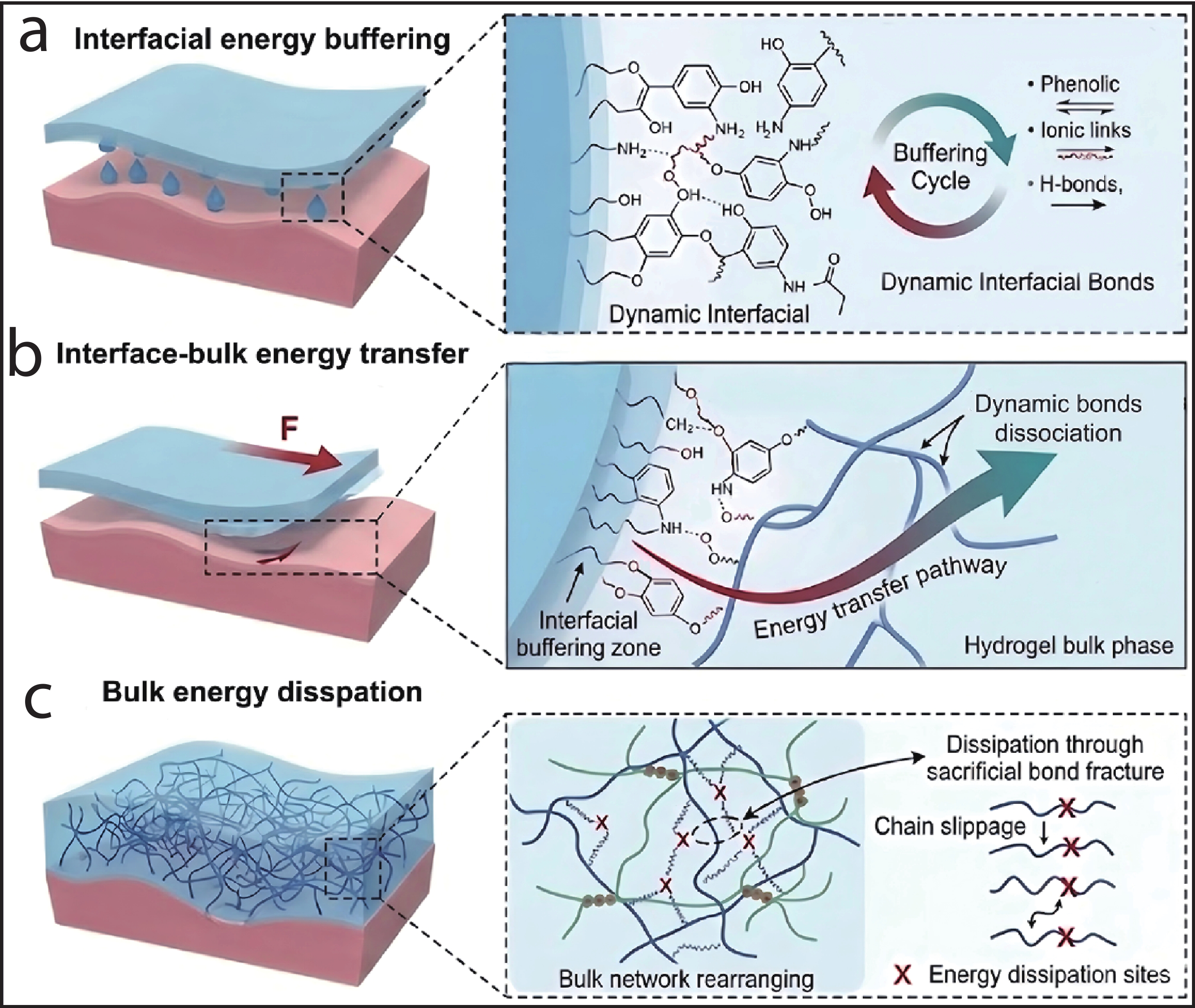
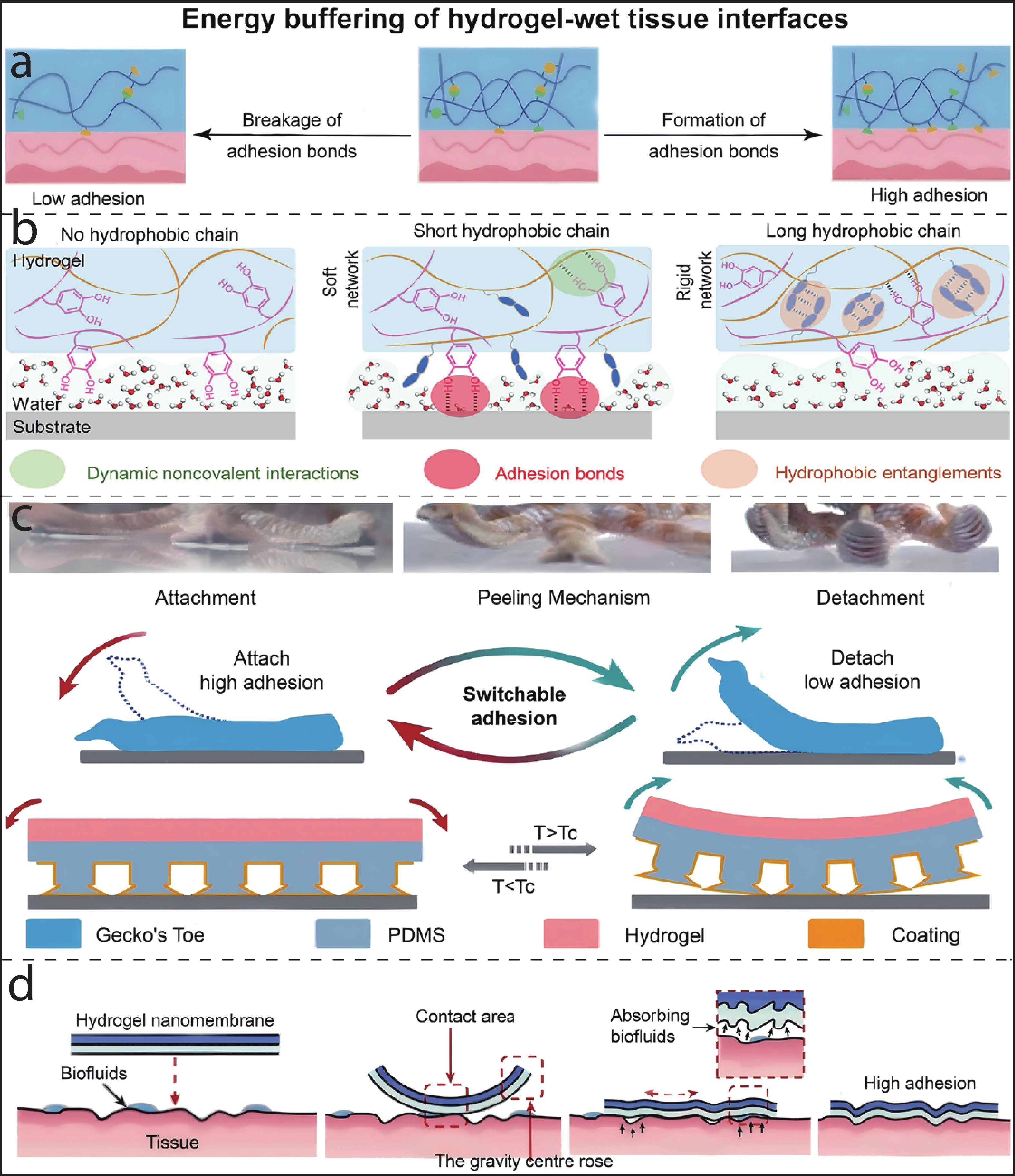
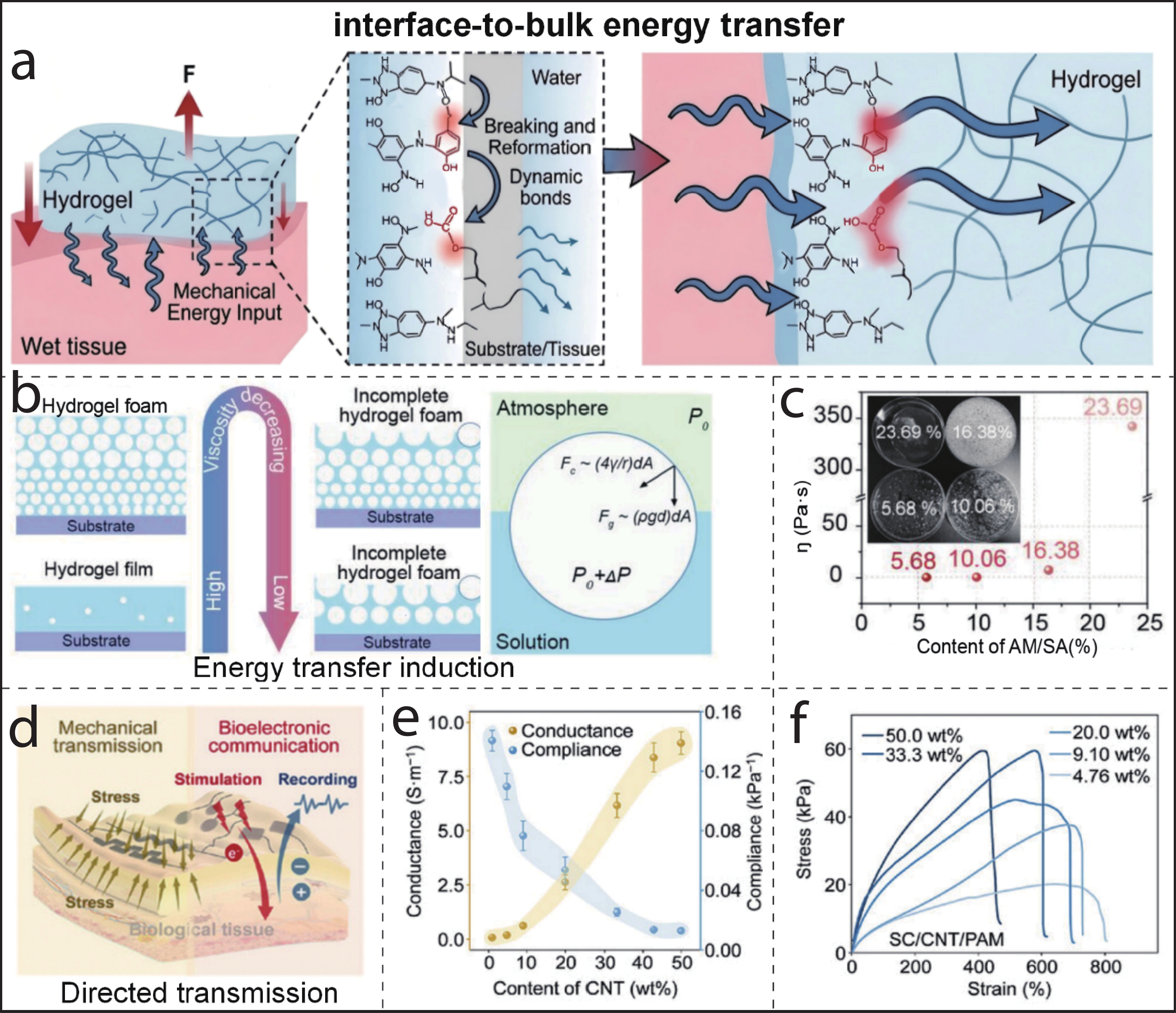
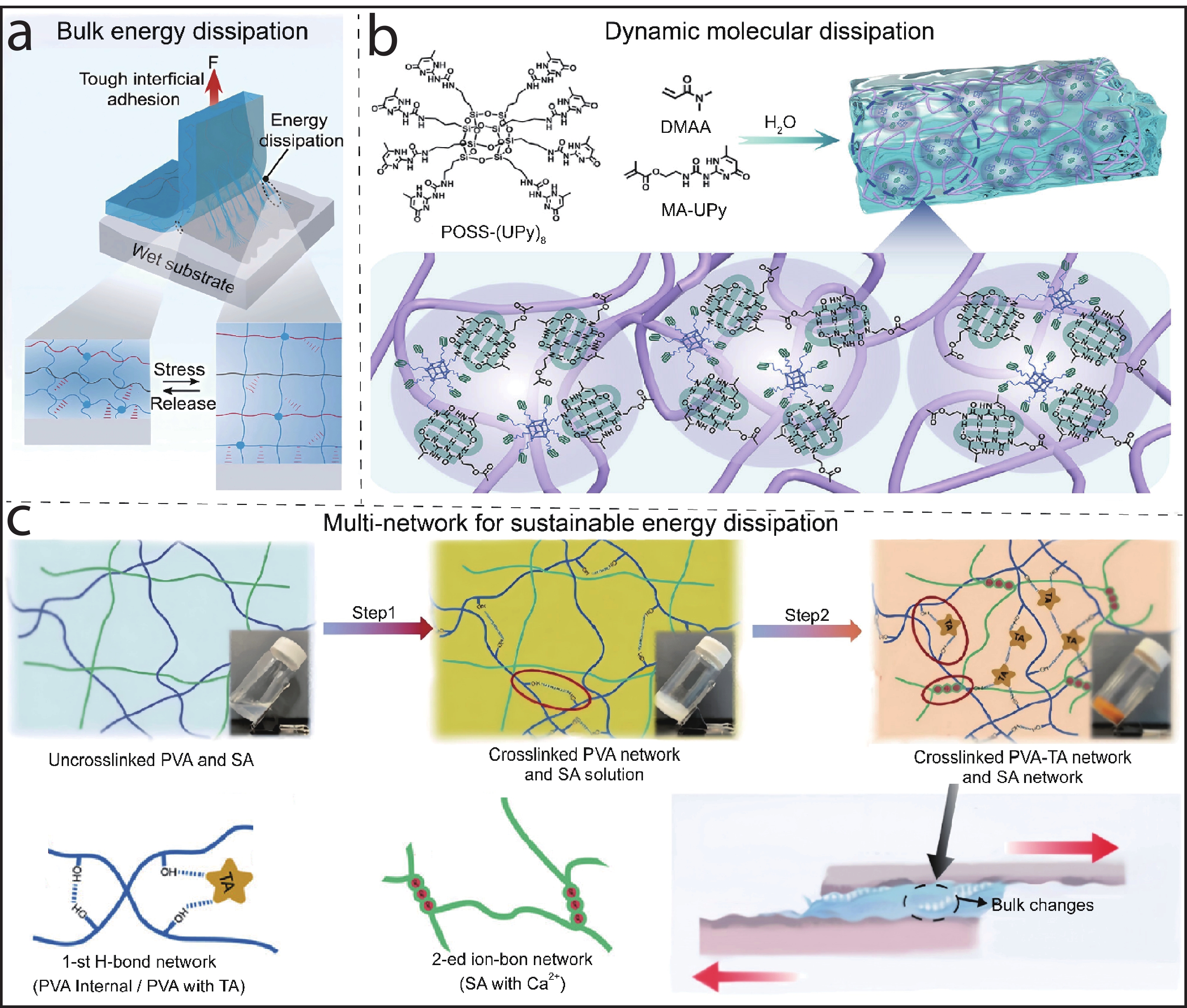
Hydrogel-wet tissue adhesive systems hold great promise for biomedicine and bioelectronics, yet their practical application is severely restricted by interfacial failure in complex physiological environments. Such adhesives frequently suffer from fatigue, delamination and slippage well before reaching their theoretical adhesive strength, proving that conventional strength-based evaluation cannot reflect their actual stability. Classical fracture mechanics and viscoelastic adhesion theories describe failure through energy release rate, work of adhesion, and rate-dependent fracture energy, but they commonly incorporate dissipation into an effective fracture parameter and do not explicitly resolve how energy is stored at the interface, transferred into the bulk, and dissipated across the hydrated interface−bulk continuum. This review organizes current hydrogel-tissue adhesion strategies into a three-tier energy-regulation framework comprising interfacial buffering, interface-to-bulk energy transfer, and bulk dissipation. The framework is connected to measurable quantities, including energy release rate, effective fracture energy, fatigue threshold, interfacial stress concentration, transfer efficiency, and hysteresis loss, to provide semi-quantitative guidance for material design and comparison. Key failure modes, representative structural and molecular strategies, and a practical characterization workflow are discussed. Remaining challenges in parameter identification, cross-scale constitutive modeling, and in vivo validation are outlined.
J. Semicond.
2026, 47(8): 082601 doi: 10.1088/1674-4926/25110020
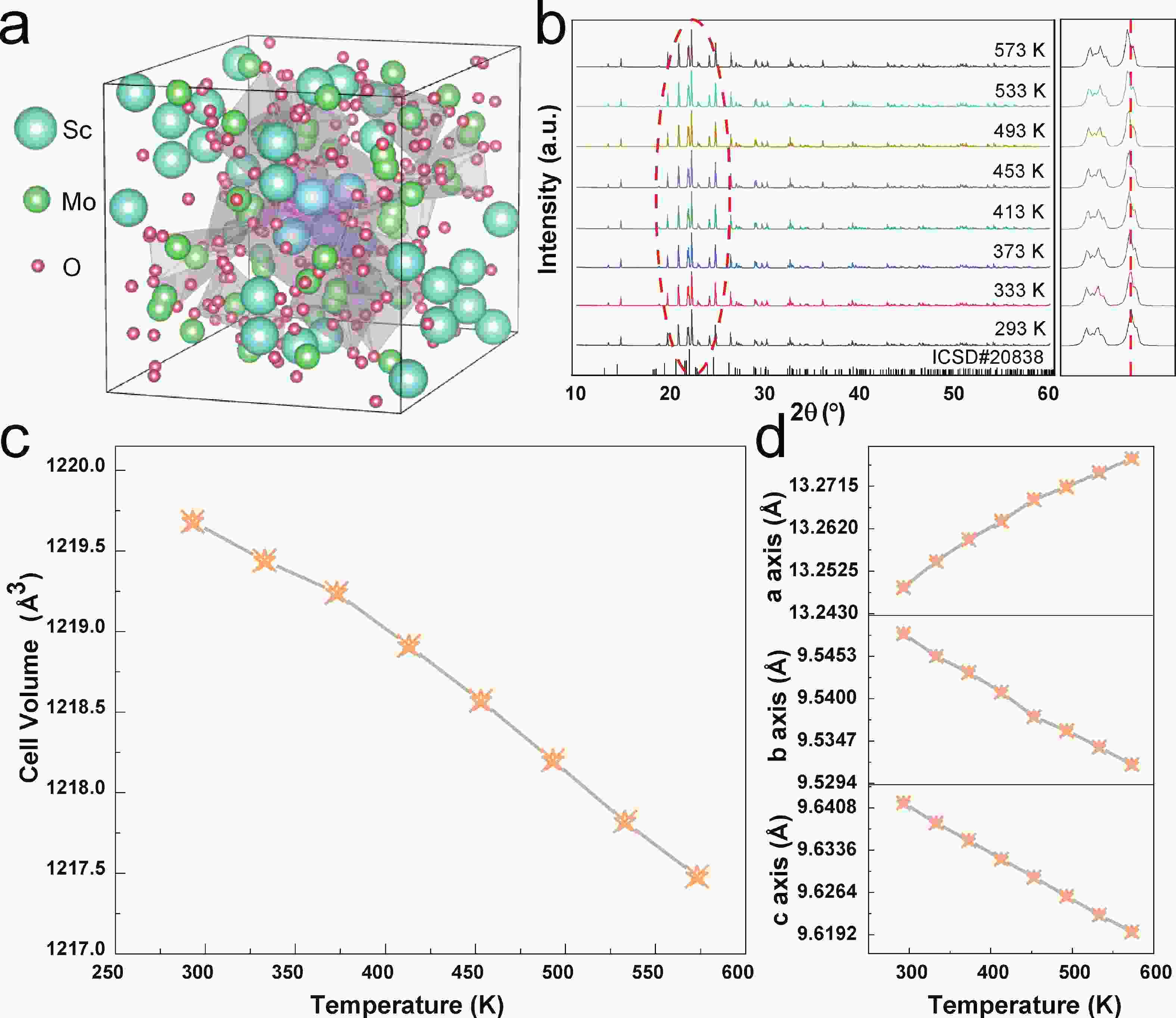
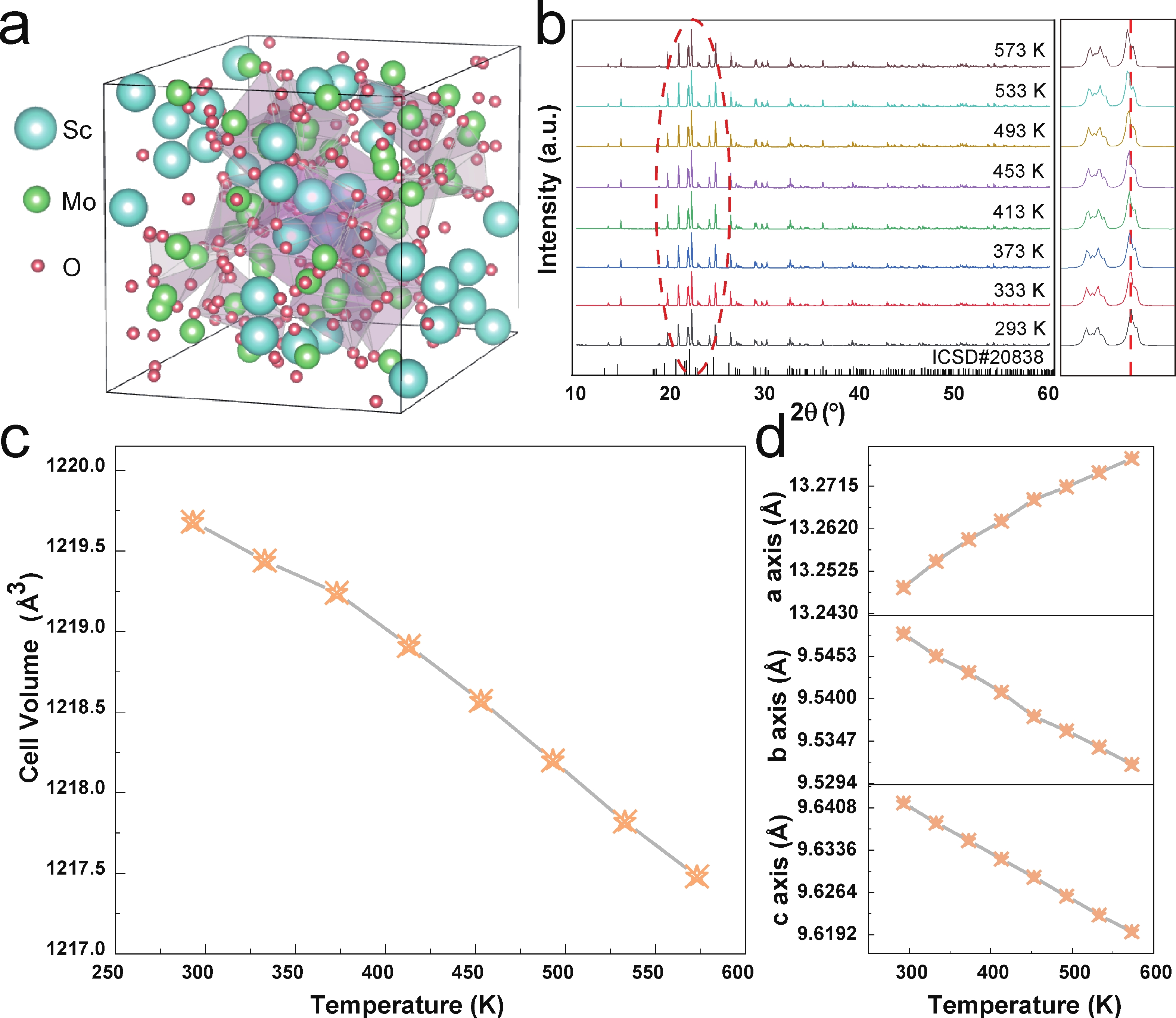
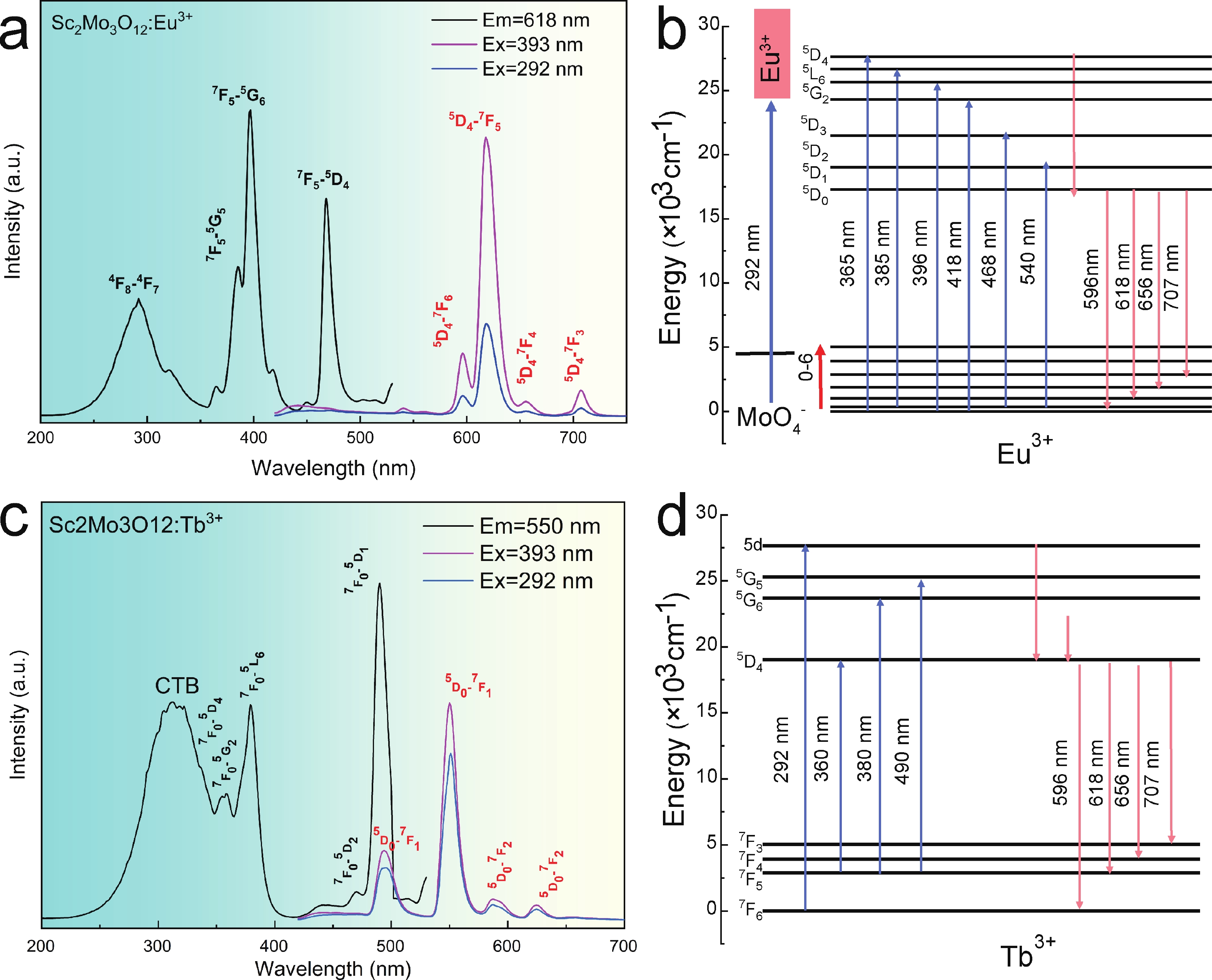
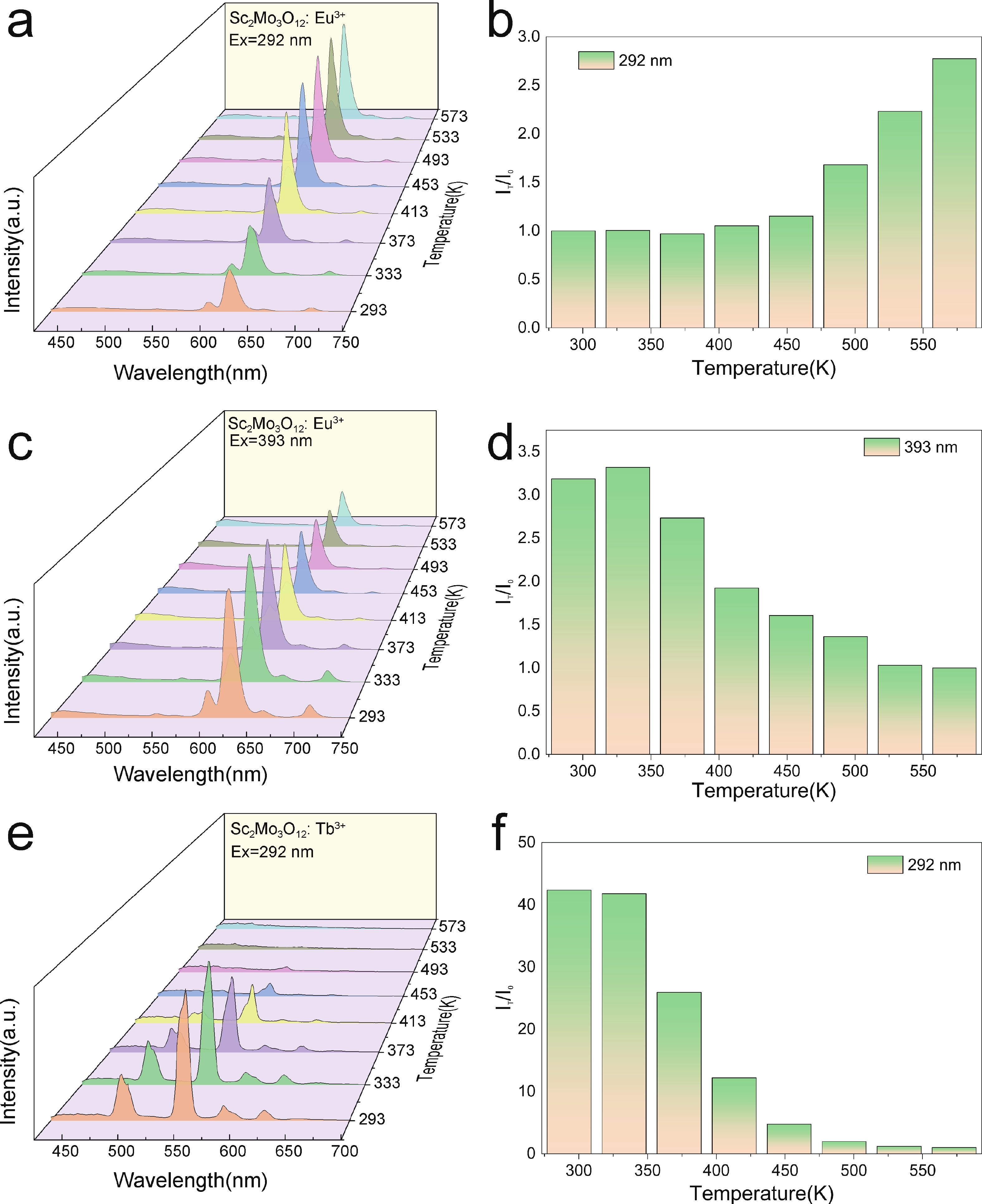
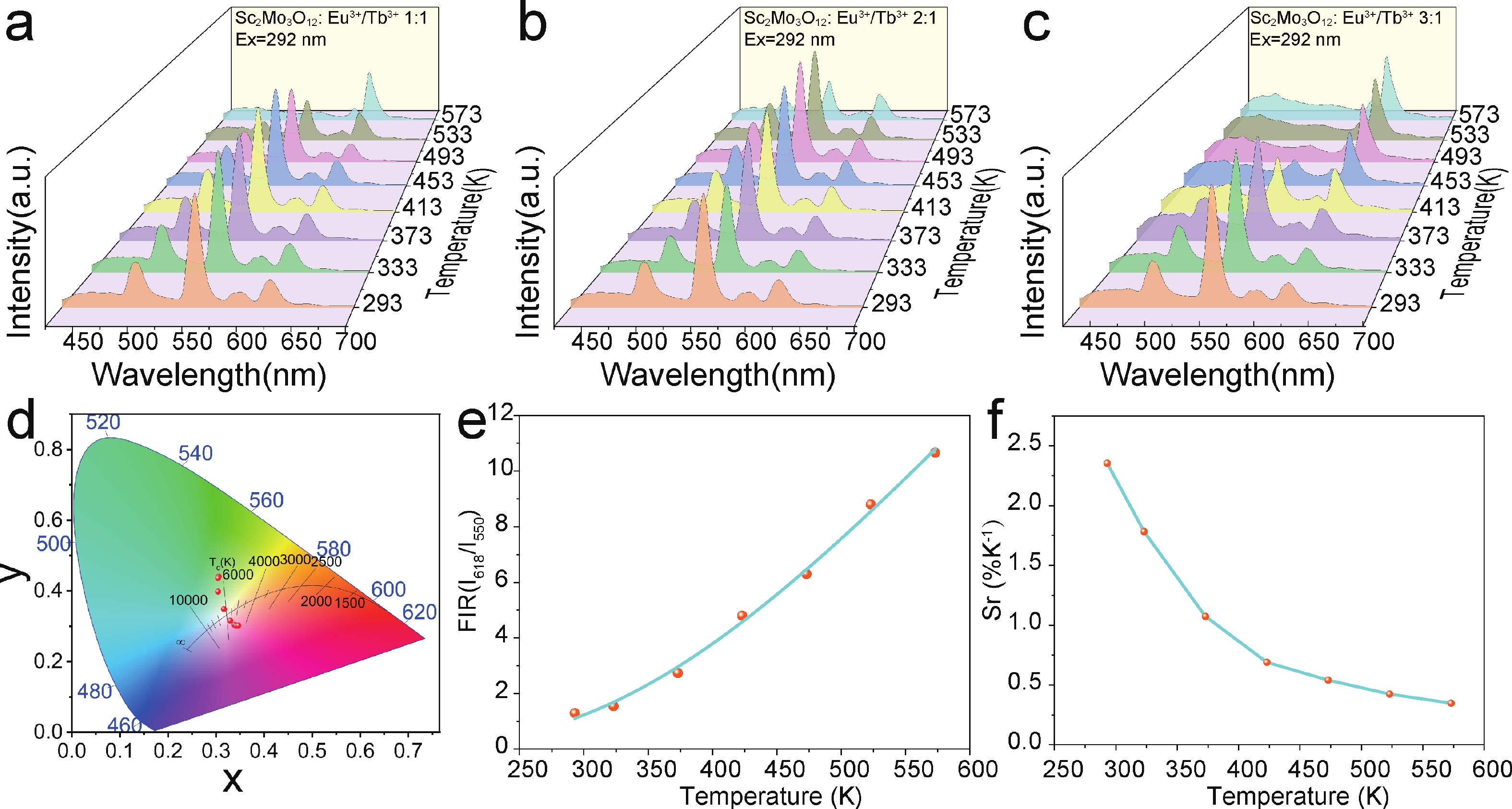
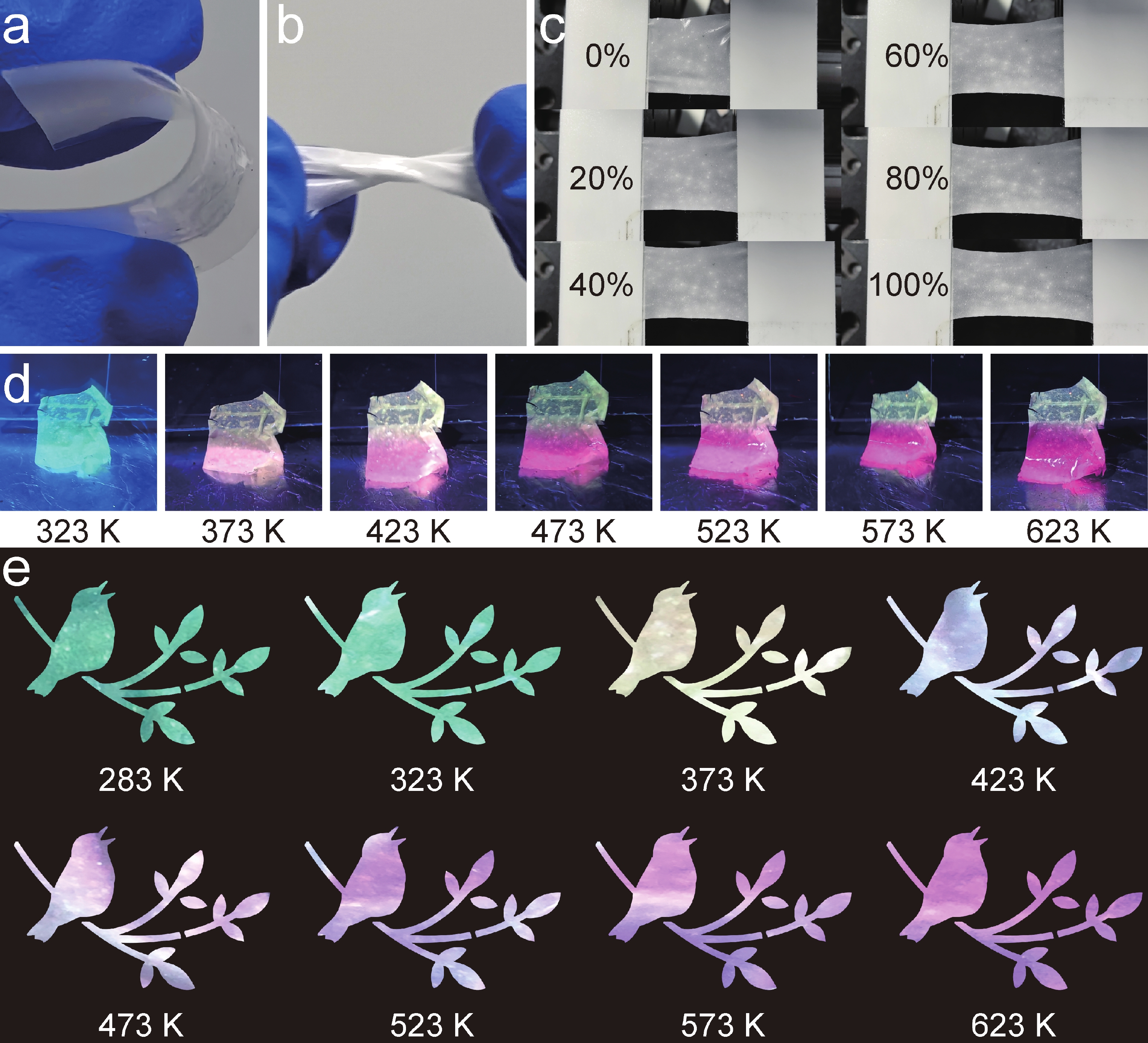
Fluorescence temperature sensing technology has become a research direction in the field of temperature measurement with its significant advantages of non-contact measurement, high spatial resolution, fast response and anti-electromagnetic interference. Although the double rare earth ion doping ratio fluorescent temperature sensing materials have made significant progress, the thermal quenching phenomenon is still the key bottleneck restricting its performance improvement. In this study, we propose to construct a flexible Sc2Mo3O12:Eu3+/Tb3+ film with negative thermal expansion characteristics, and systematically study its visual temperature sensing characteristics. The negative thermal expansion characteristics of Sc2Mo3O12 matrix effectively inhibited the thermal quenching rate of Tb3+ luminescence, and enhanced the thermal enhanced luminescence effect of Eu3+. This two-way regulation mechanism improves the intensity comparison of the two light-emitting channels, and provides an innovative strategy for improving the sensitivity of temperature sensing. The flexible film based on Eu3+/Tb3+ codoped system realizes intuitive temperature perception through the significant change of fluorescent color, and can complete the temperature interpretation without complex spectral equipment. This greatly expands its application prospect in the field of rapid field detection and real-time monitoring, and shows its broad potential in the fields of wearable devices, biomedical diagnosis, and real-time monitoring of surface temperature field.
J. Semicond.
2026, 47(8): 082602 doi: 10.1088/1674-4926/25120033
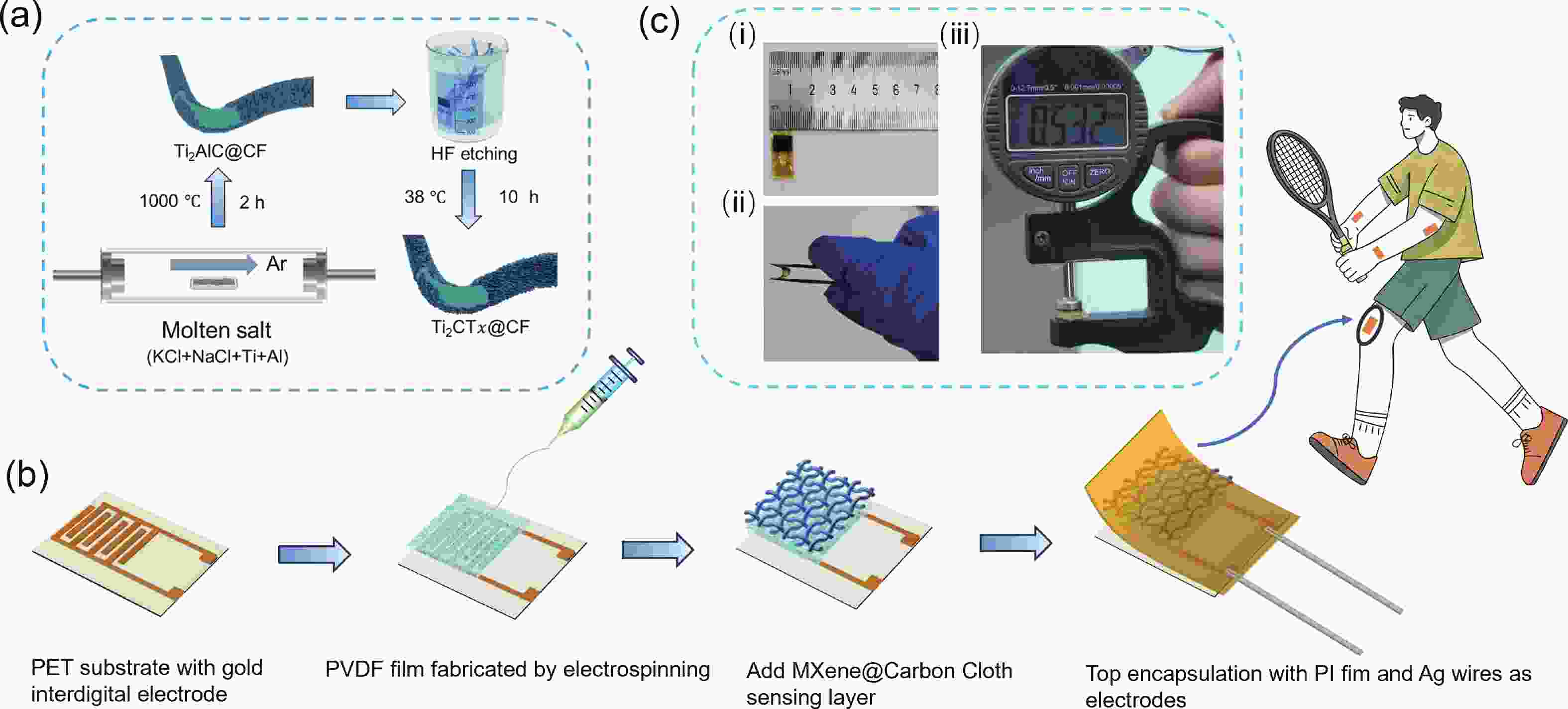
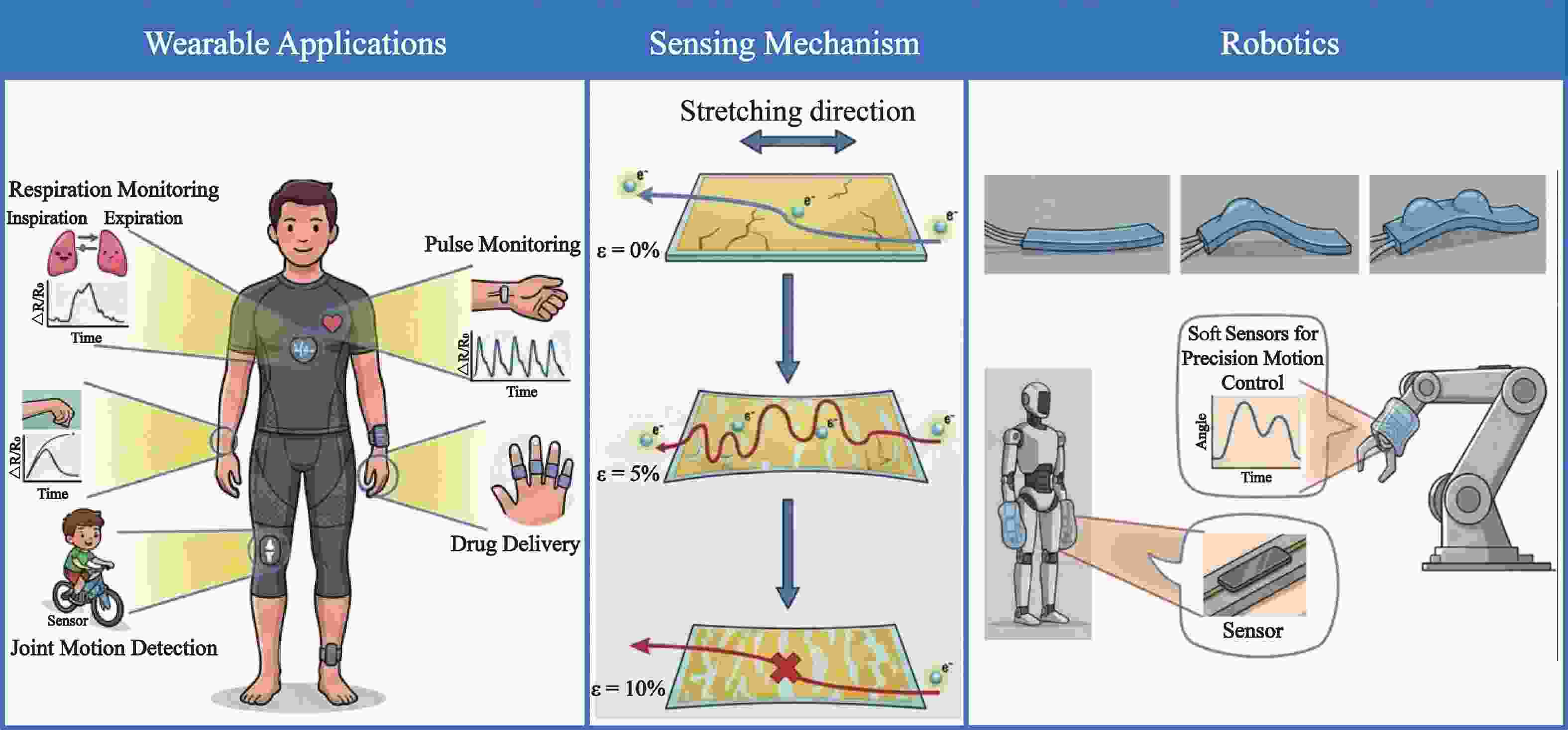
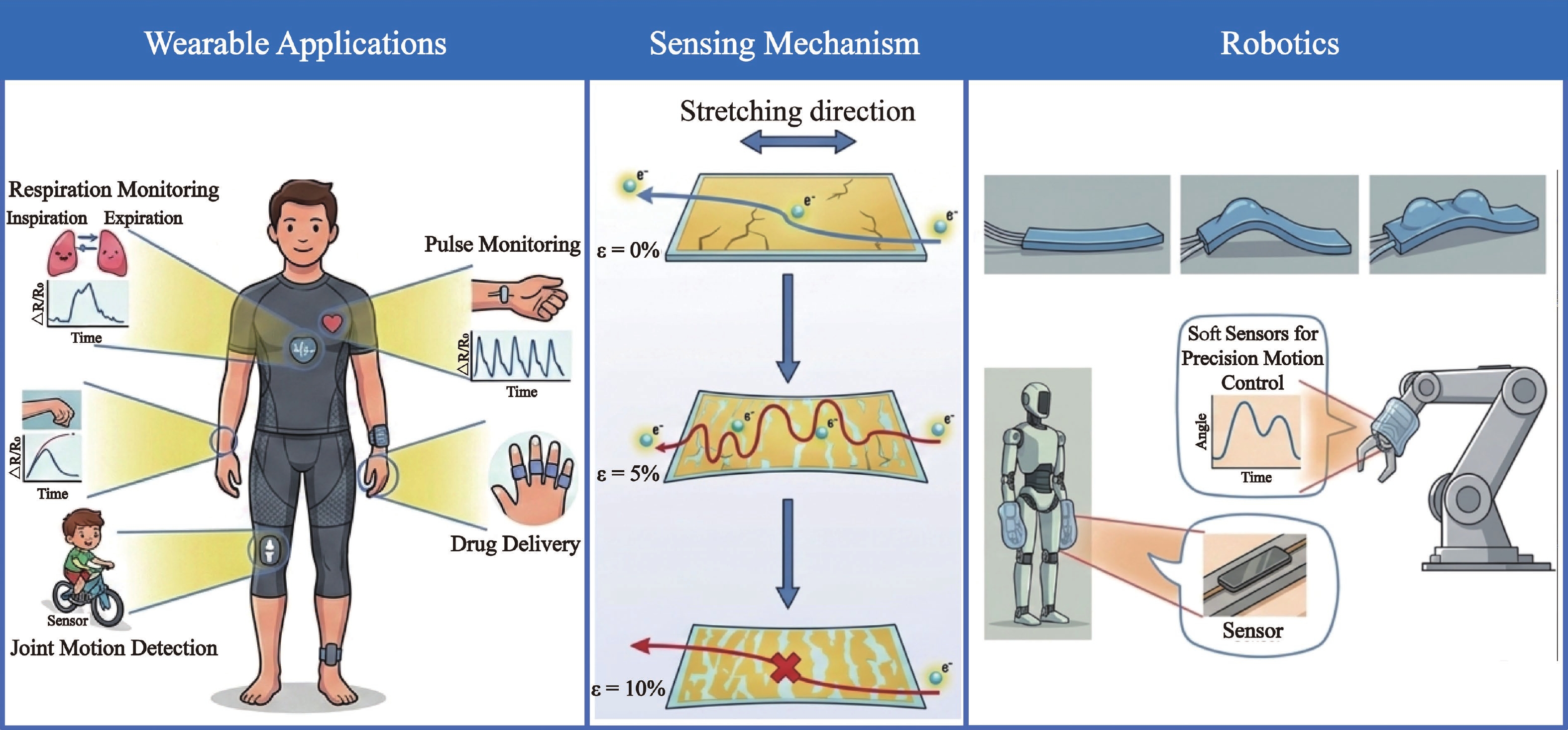
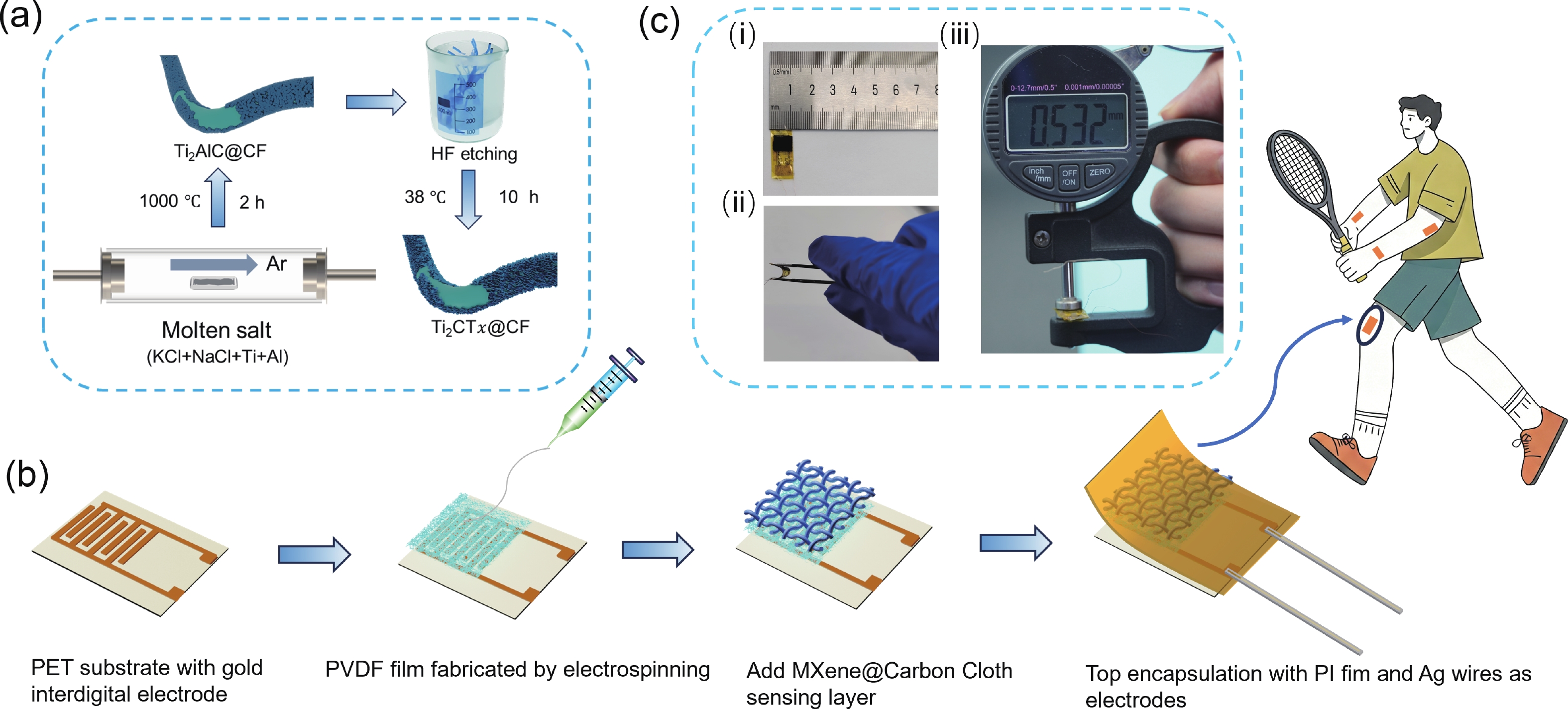
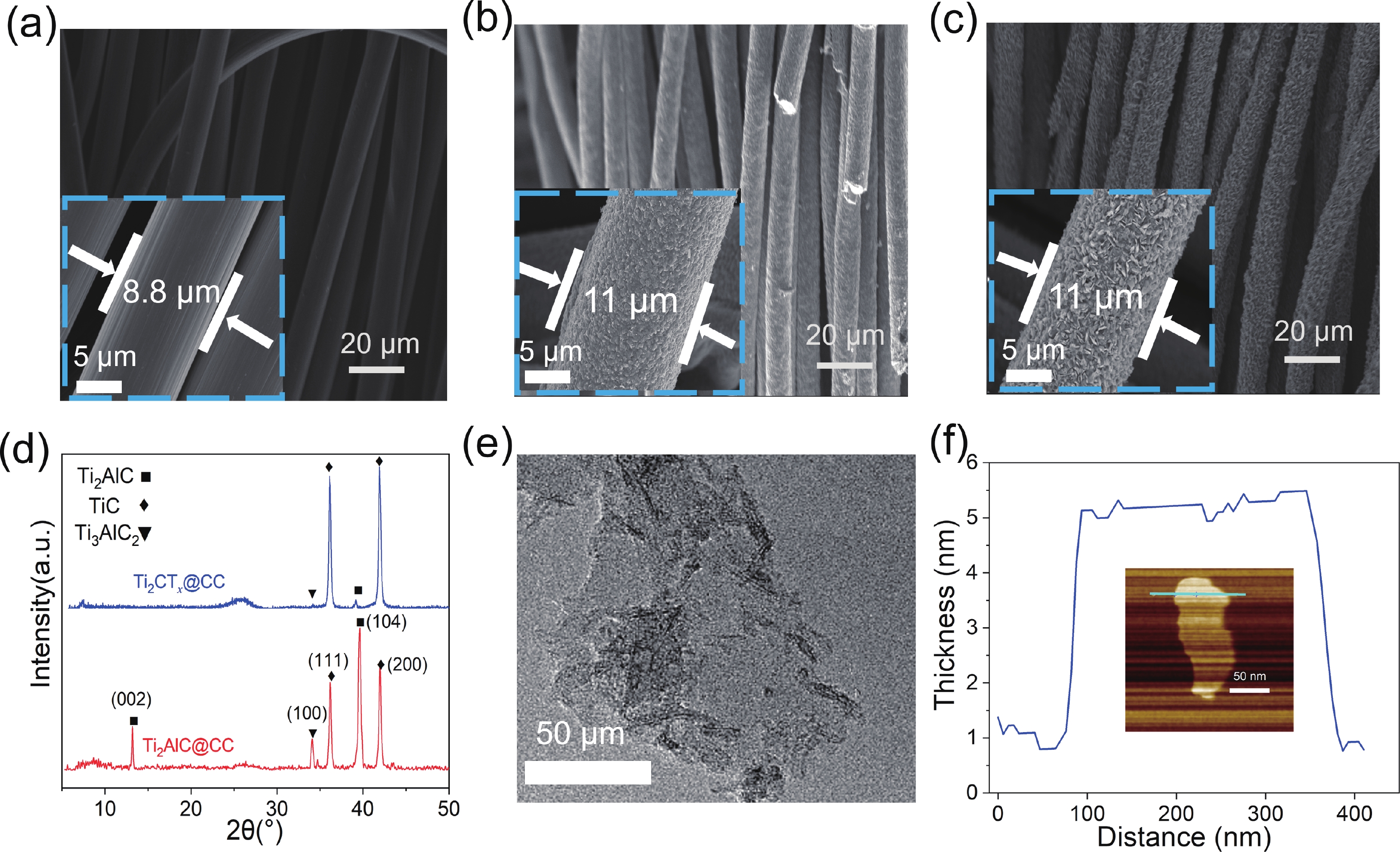
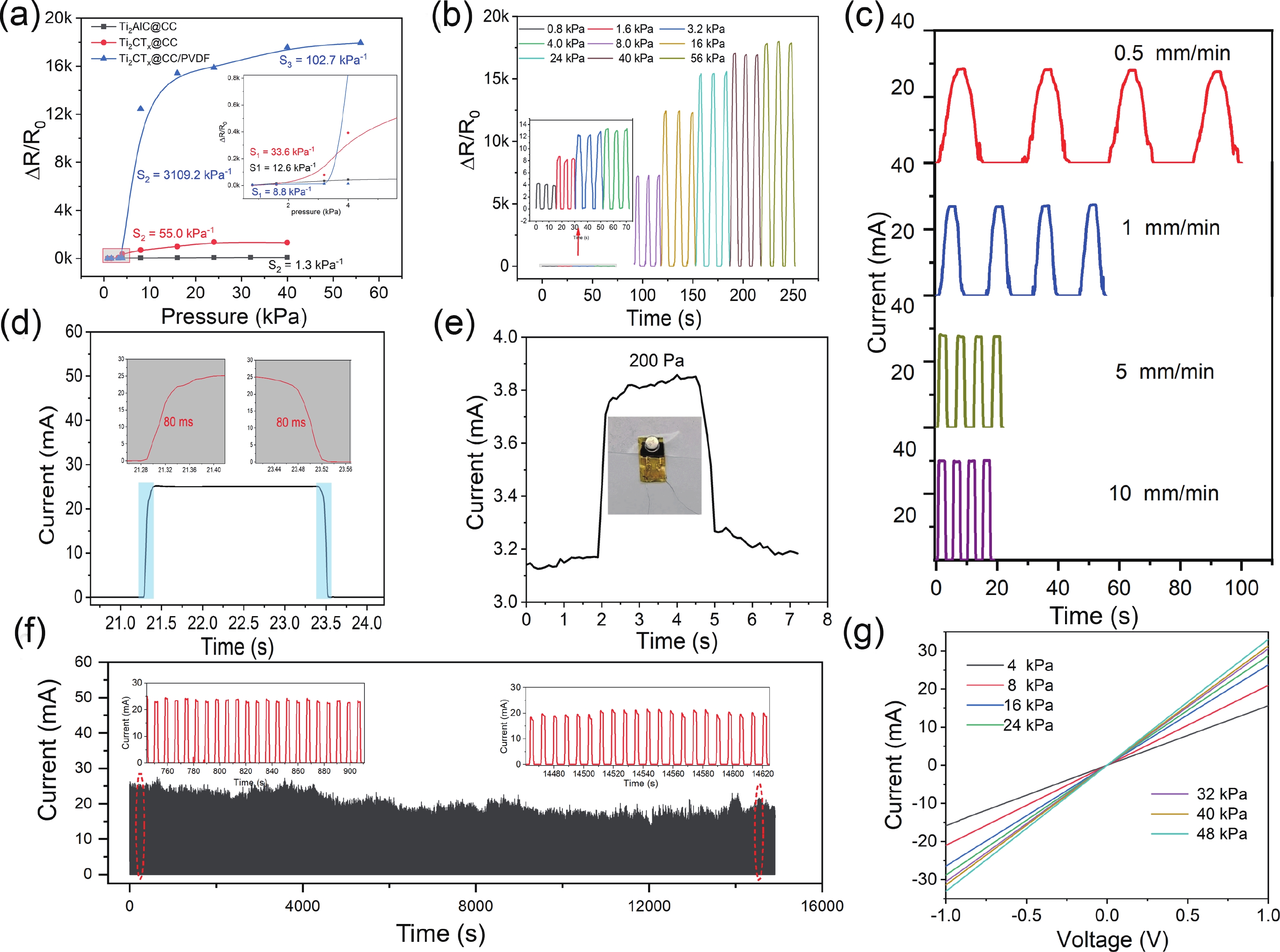
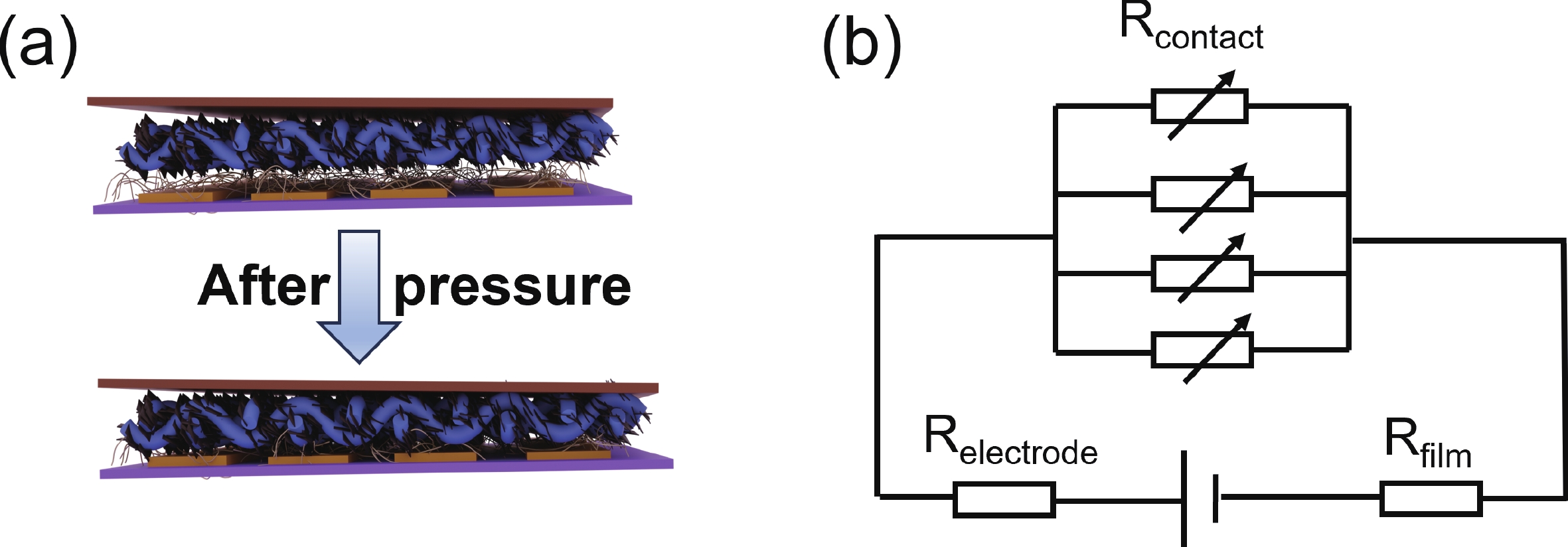
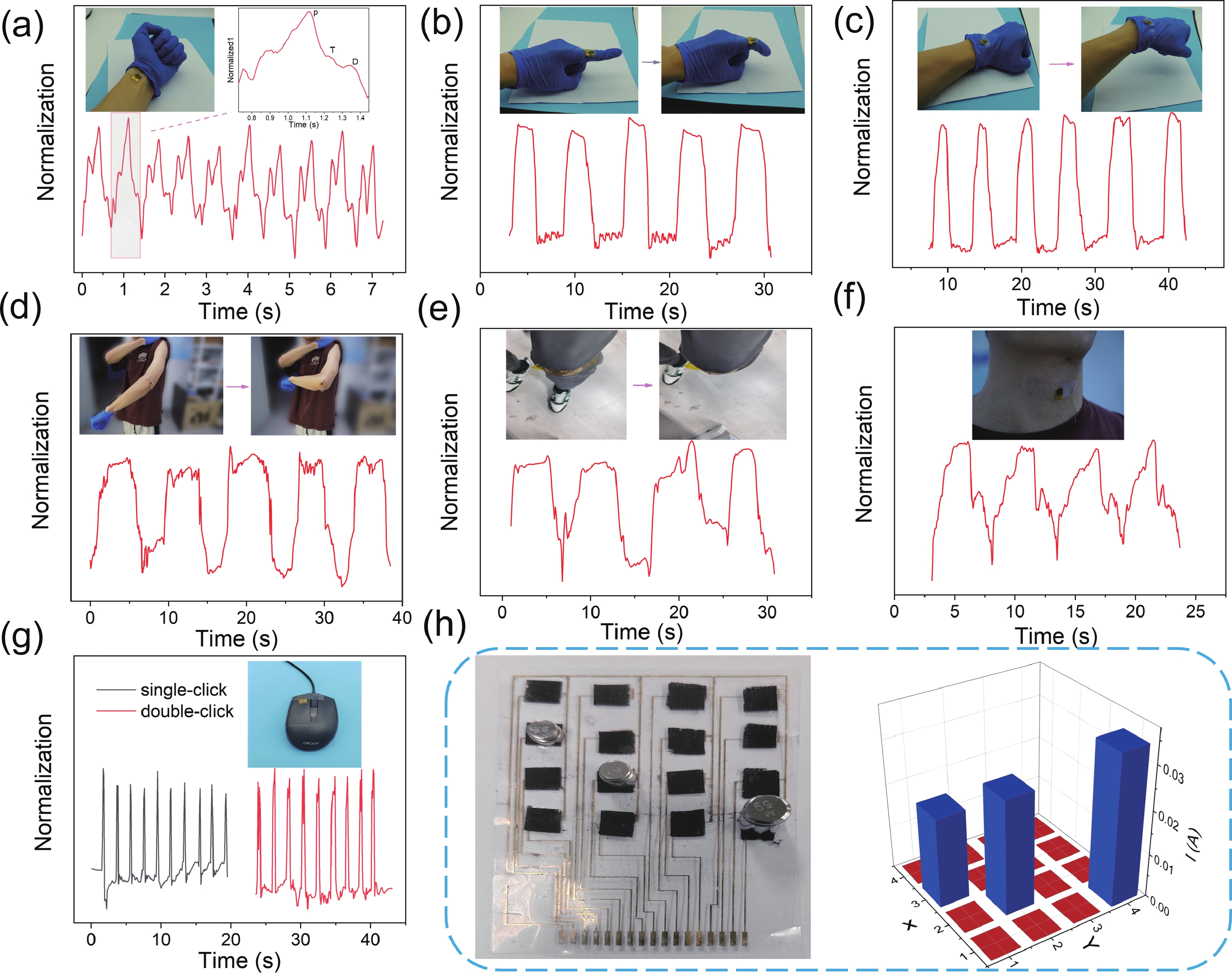
High performance flexible pressure sensors, as a very important group of electronic component for information transmission and collection, have gained widespread attention. Herein, Ti2CTx MXene nanosheets were vertically grown on carbon cloth substrate (Ti2CTx@CC) via the simple sintering and subsequent etching process. Flexible pressure sensors featuring the Ti2CTx MXene nanosheets as the sensitive material were then fabricated using polyvinylidene fluoride (PVDF) film weaved by the electrospinning route between the sensitive material and the interdigital electrodes to improve the sensitivity. As-fabricated flexible sensor exhibited superior performances including high sensitivity up to 3109.2 kPa−1, good response and recovery time of 80/80 ms, and favorable stability over 8000 loading/unloading cycles. Boasting the high sensitivity across a broad range, the sensor can in real-time capture a spectrum of human activities—from the faint pulse signal to the large pressure of joint activities and shows promising capability for mapping spatial pressure distribution.
J. Semicond.
2026, 47(8): 082603 doi: 10.1088/1674-4926/26010044
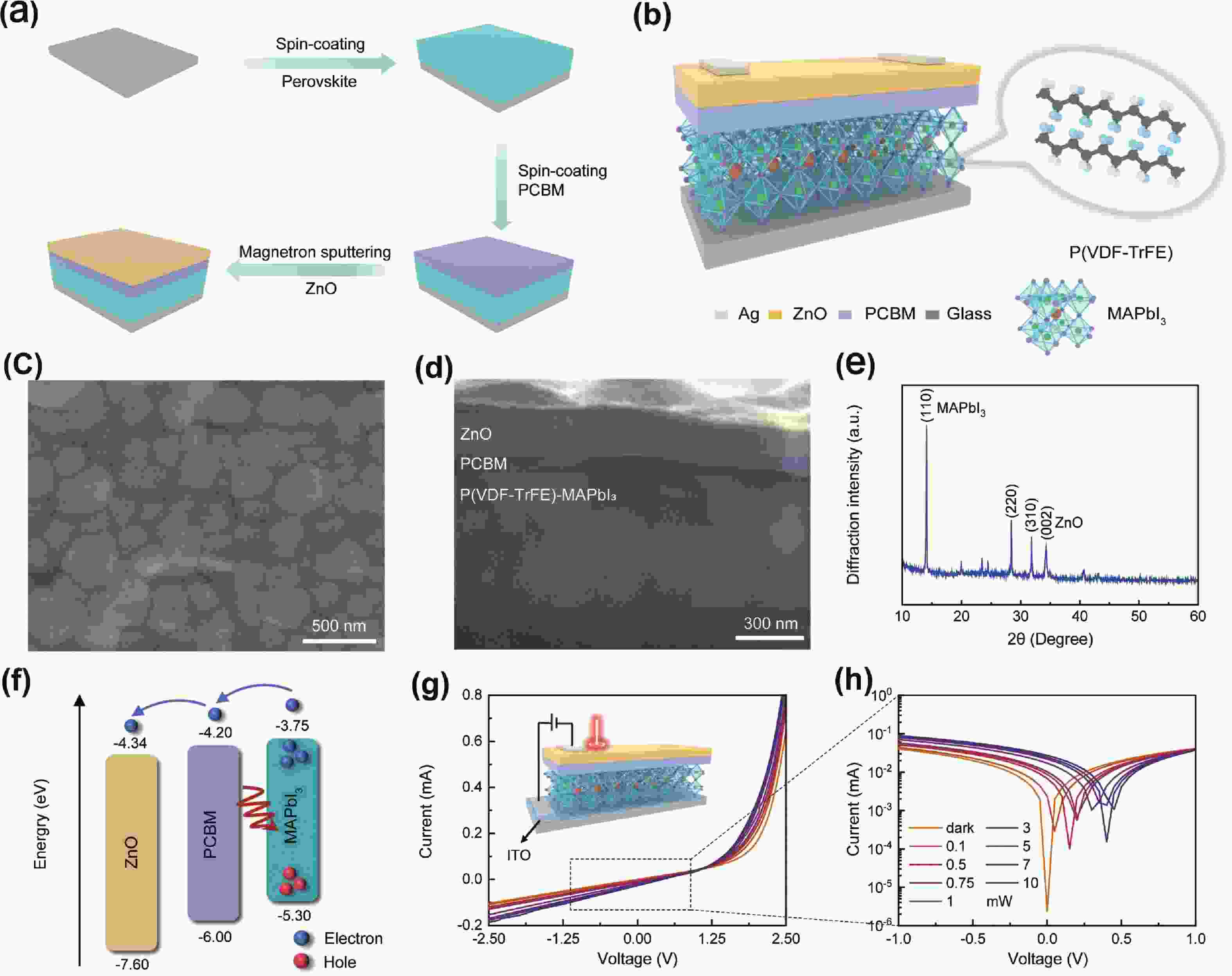
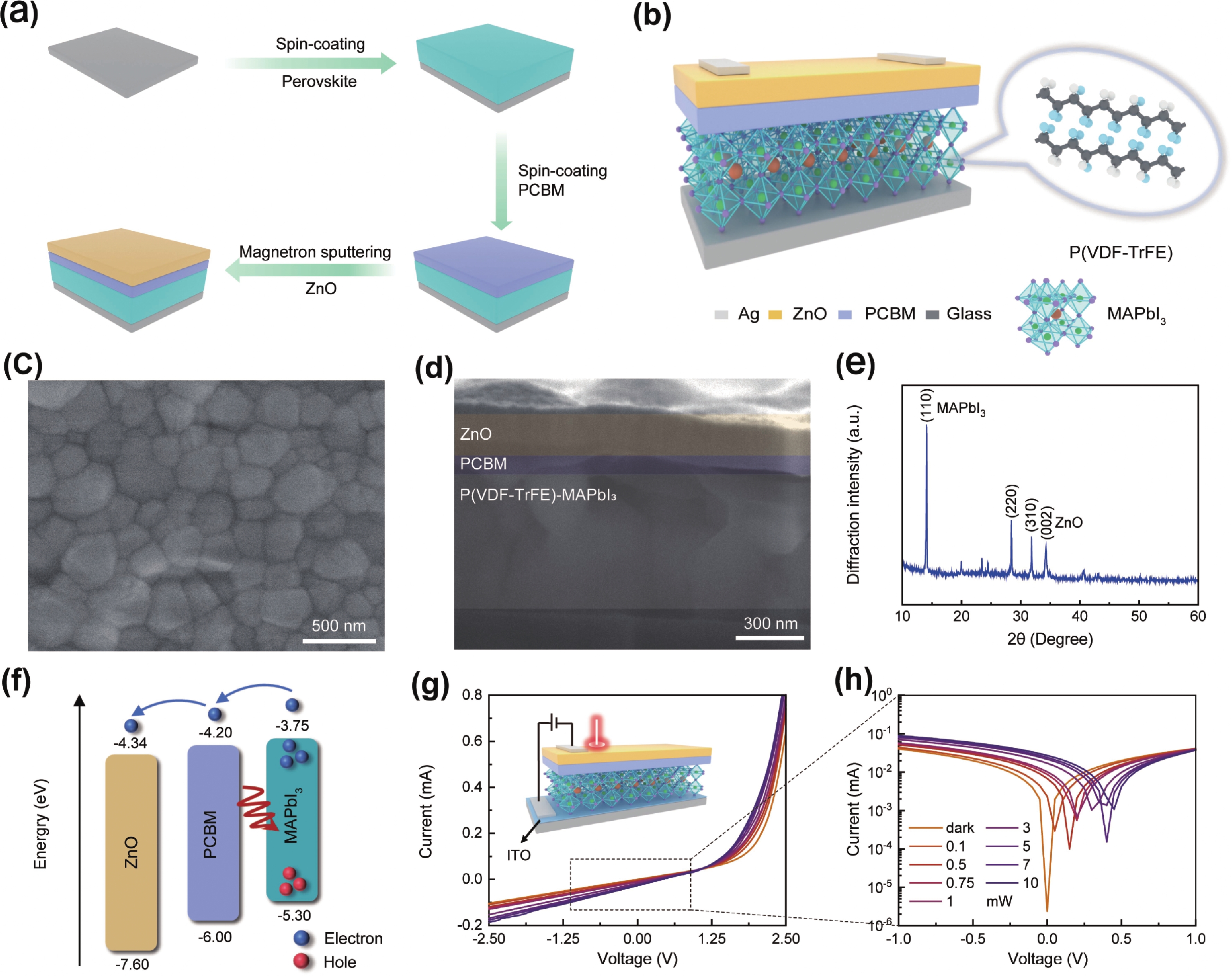
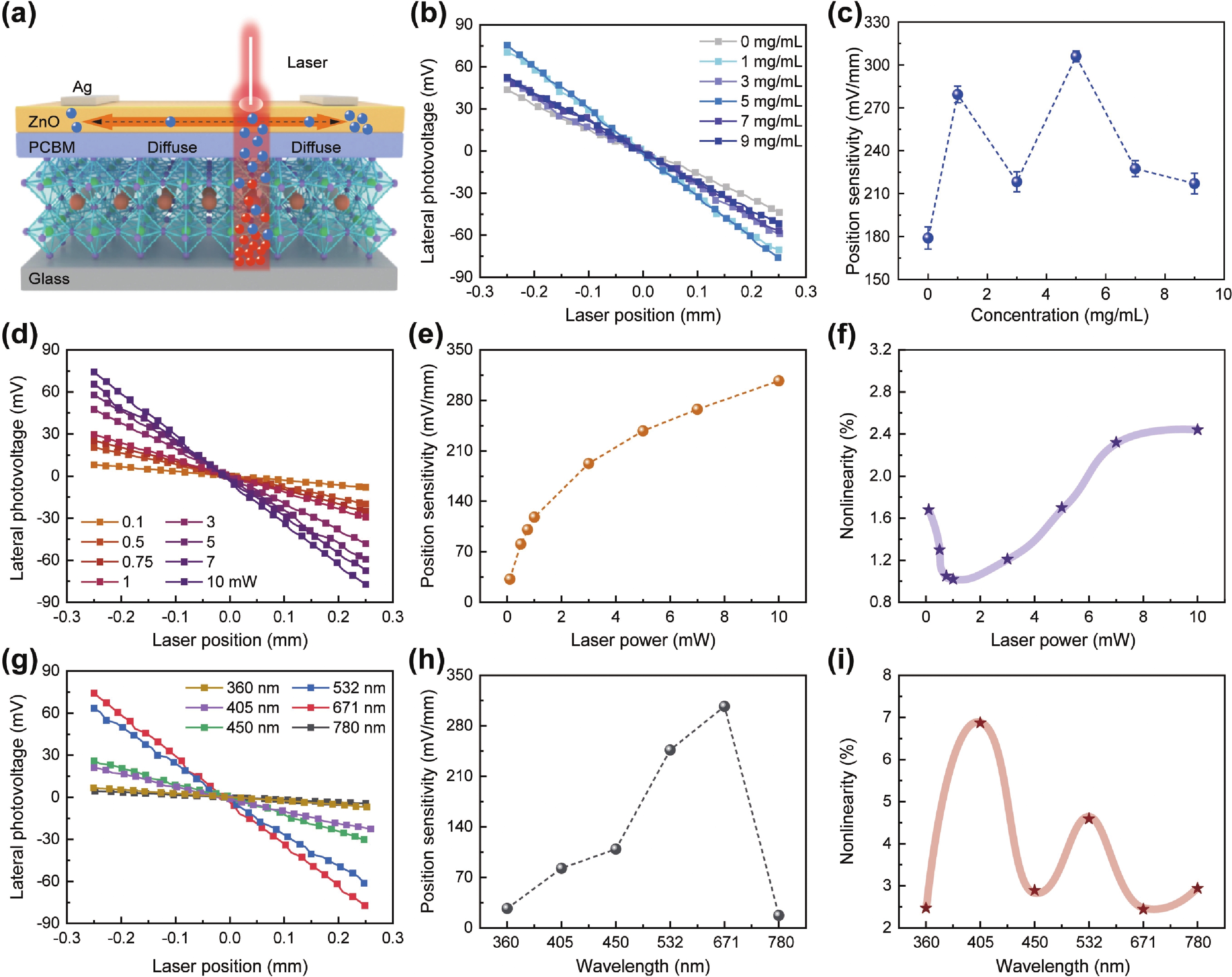
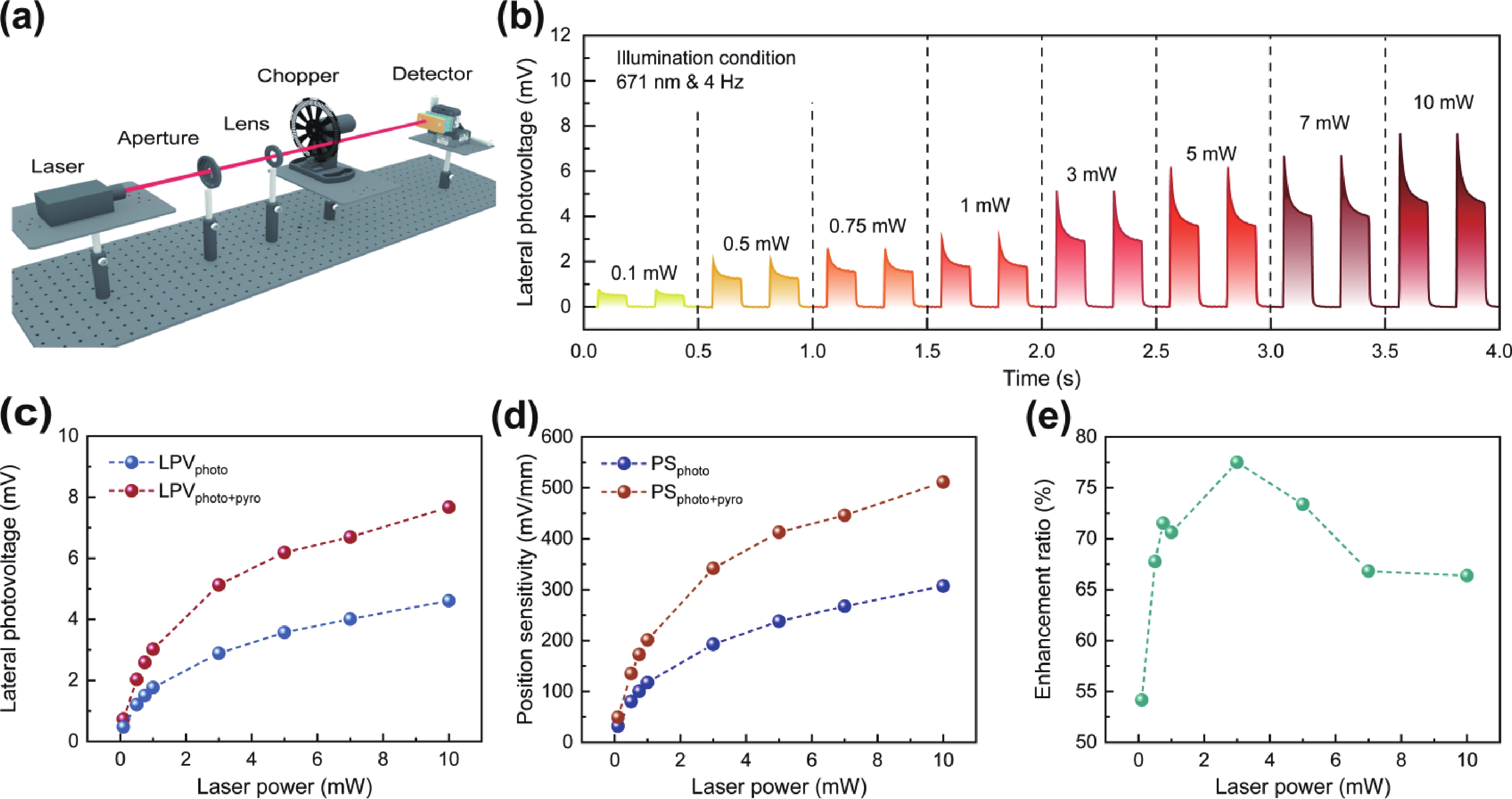
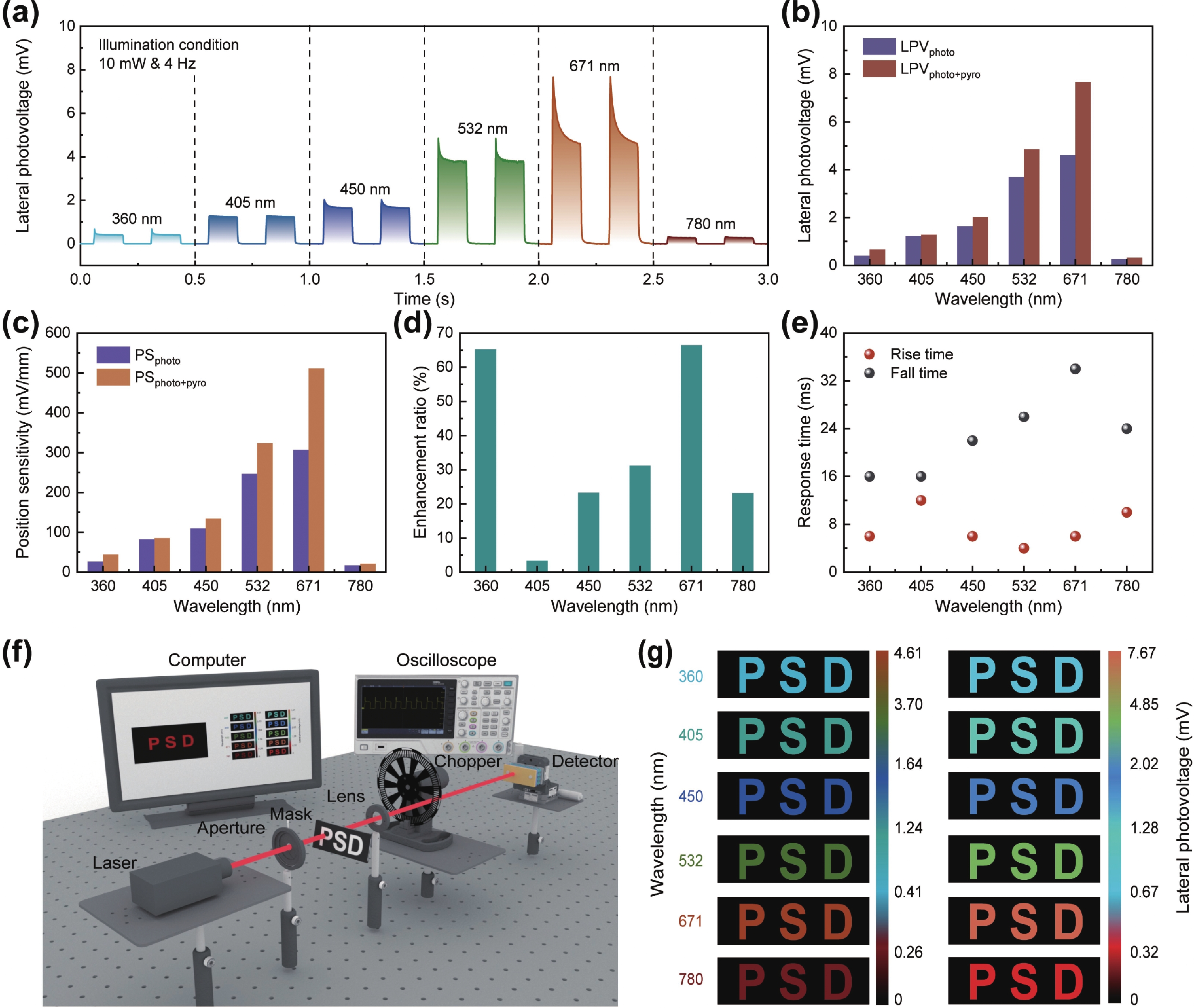
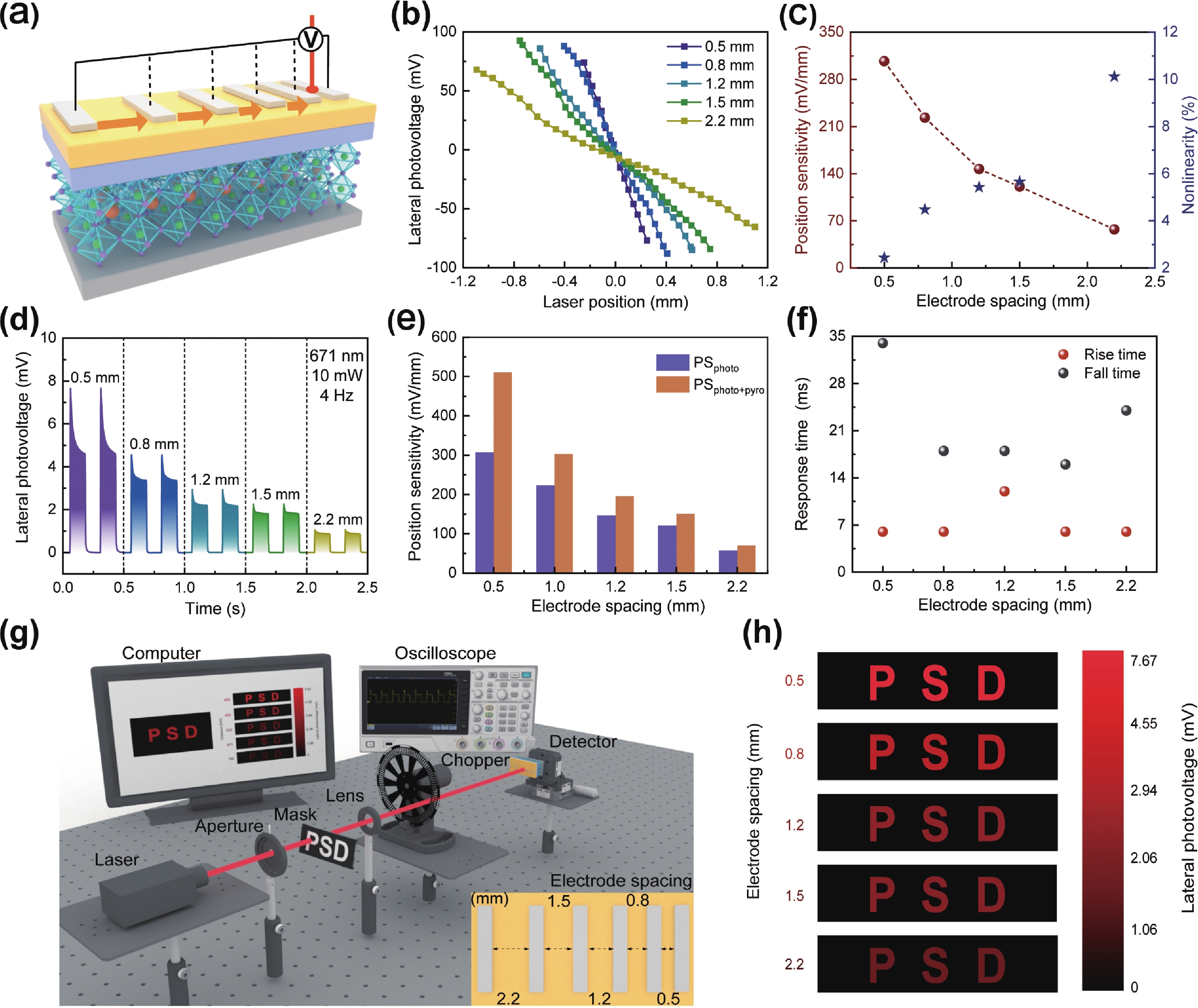
In recent years, position-sensitive detectors (PSDs) have found widespread application in displacement measurement, optical measurement, imaging, and laser communication, owing to their high spatial resolution and rapid response capabilities. However, the performance and operating mechanisms of perovskite-based PSDs remain insufficiently elucidated. In this work, we fabricated a high-sensitivity self-powered PSD based on a ZnO/P(VDF-TrFE)−CH3NH3PbI3(MAPbI3) heterojunction. Systematic optimization revealed an optimal P(VDF-TrFE) doping concentration of 5 mg/mL, enabling the device to achieve a remarkable positional sensitivity (PS) of 307.03 mV/mm with a minimum nonlinearity of 1.02%. Furthermore, the intrinsic pyroelectric property of P(VDF-TrFE) induces a significant pyroelectrically enhanced lateral photovoltaic effect (LPE), boosting the PS to 511.33 mV/mm—an enhancement of 166.5%. The heterojunction PSD maintains effective operational performance over an electrode spacing range of 0.5−2.2 mm. While the LPE response declines with increasing spacing, a considerable pyroelectric effect (PE)-enhanced PS of 70.67 mV/mm is retained even at 2.2 mm. Importantly, we demonstrate multi-wavelength imaging by exploiting both the inherent LPE response and its pyroelectrically enhanced counterpart, with imaging intensity tunable via electrode spacing control. This study provides crucial insights into the LPE behavior of the heterojunction and systematically clarifies the mechanism by which the PE modulates device performance and imaging capabilities.
J. Semicond.
2026, 47(8): 082604 doi: 10.1088/1674-4926/26040024
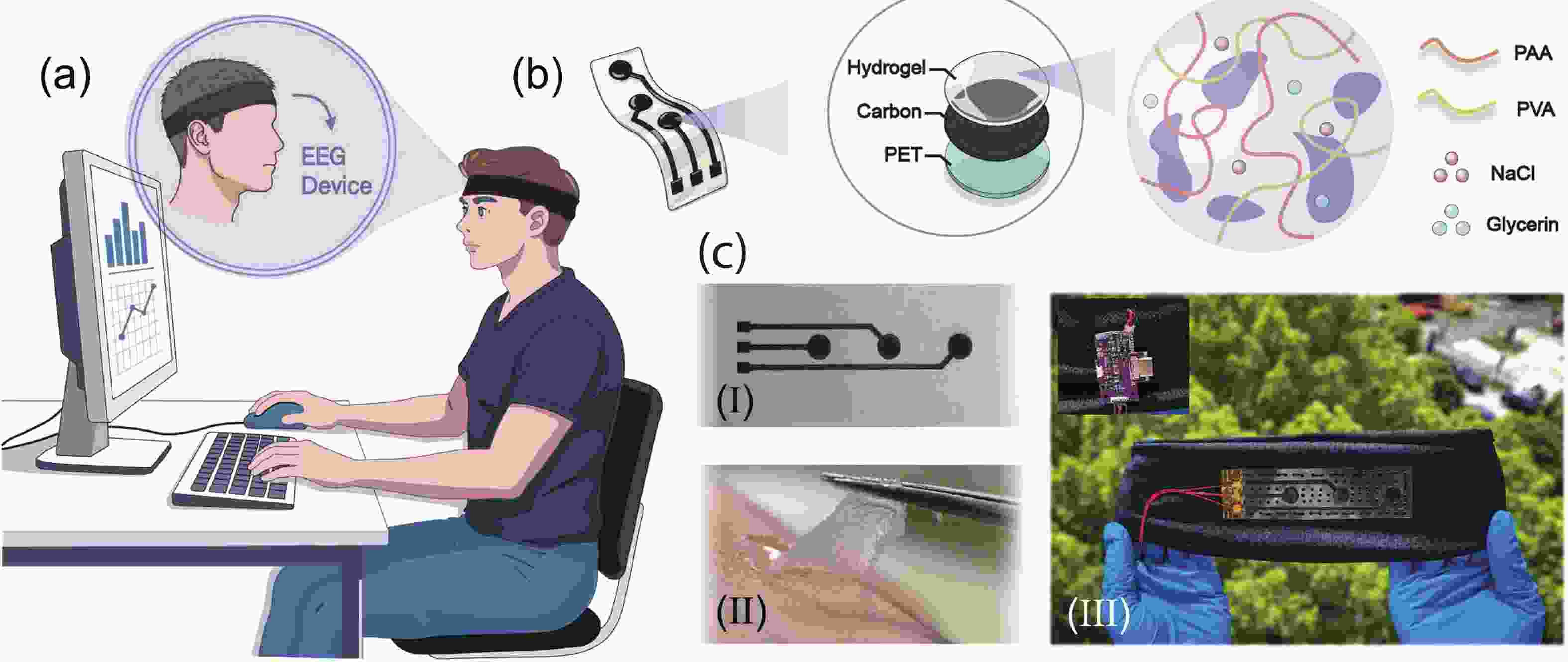
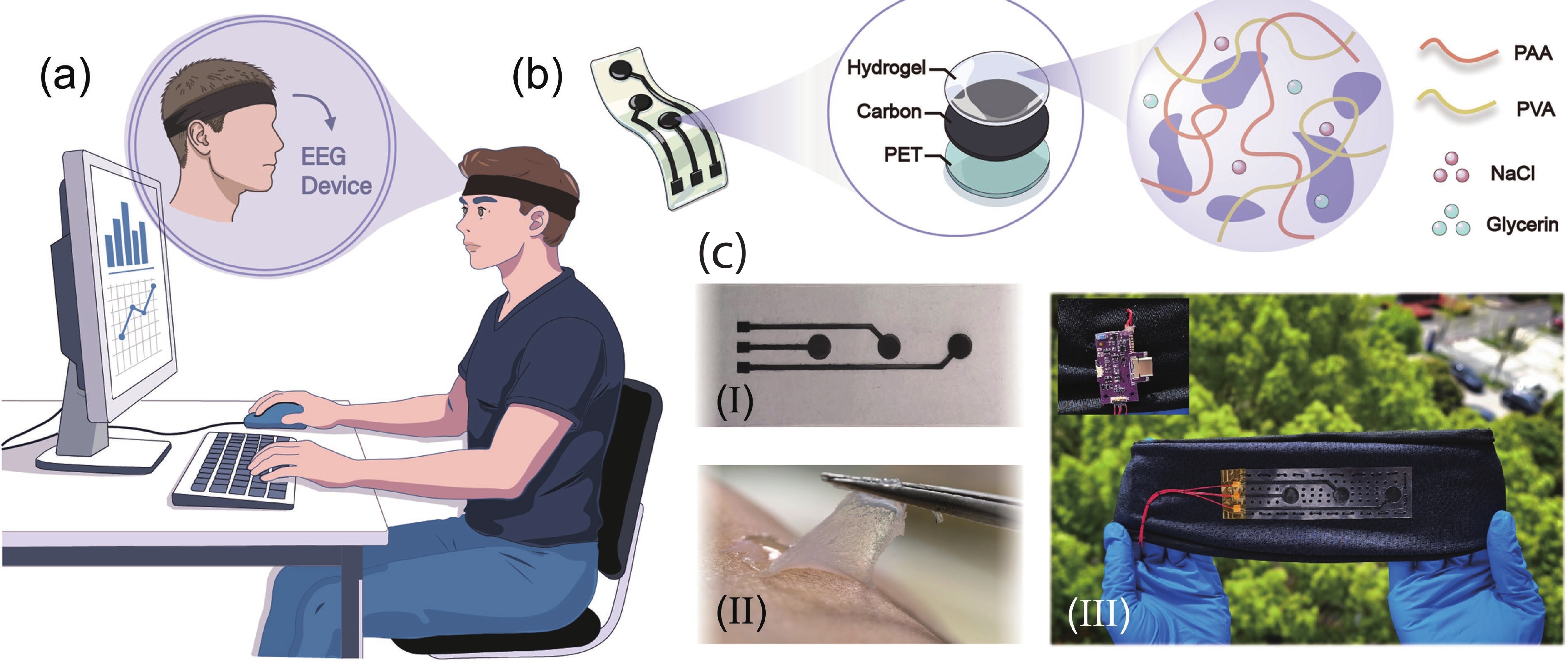
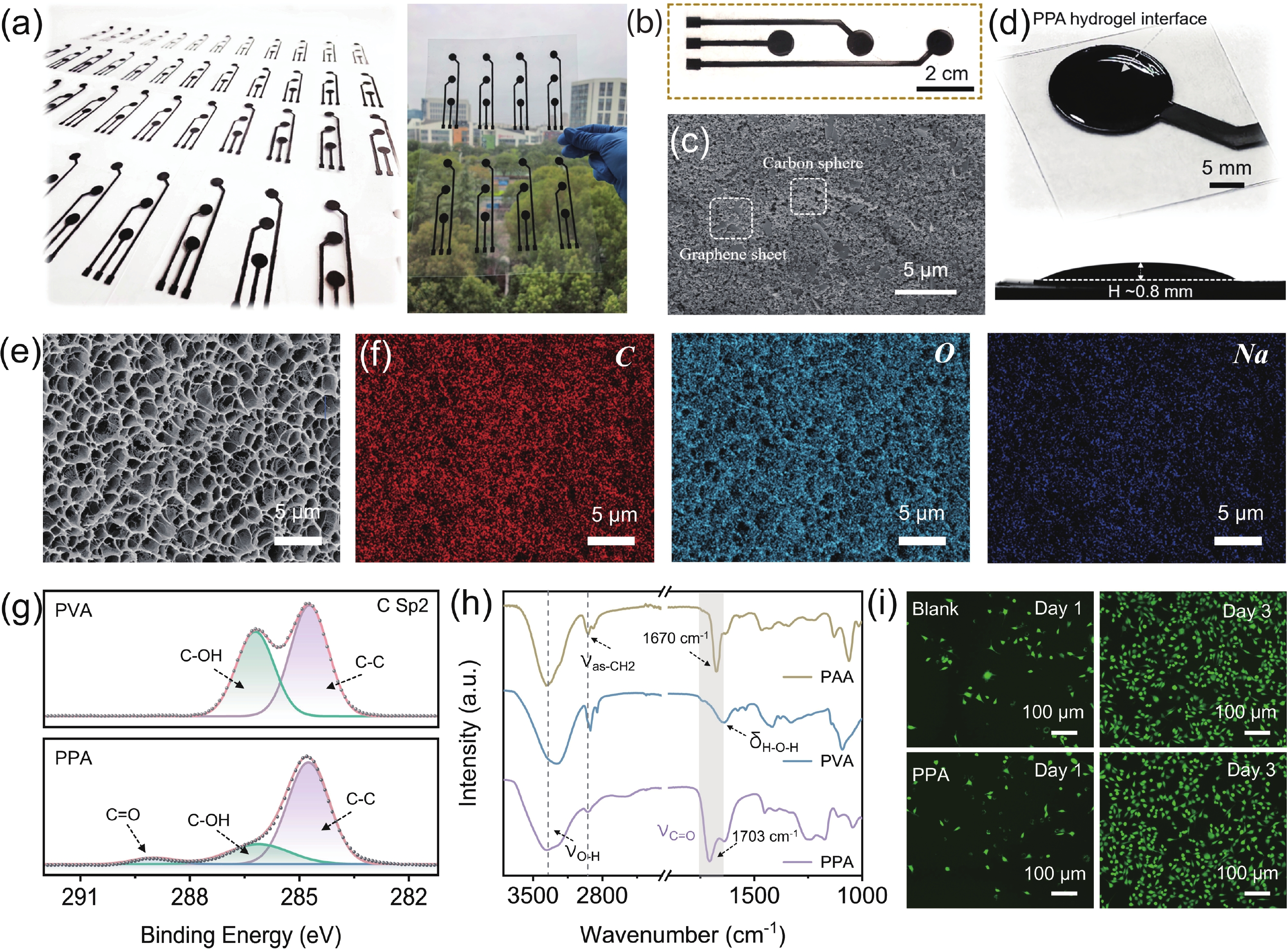
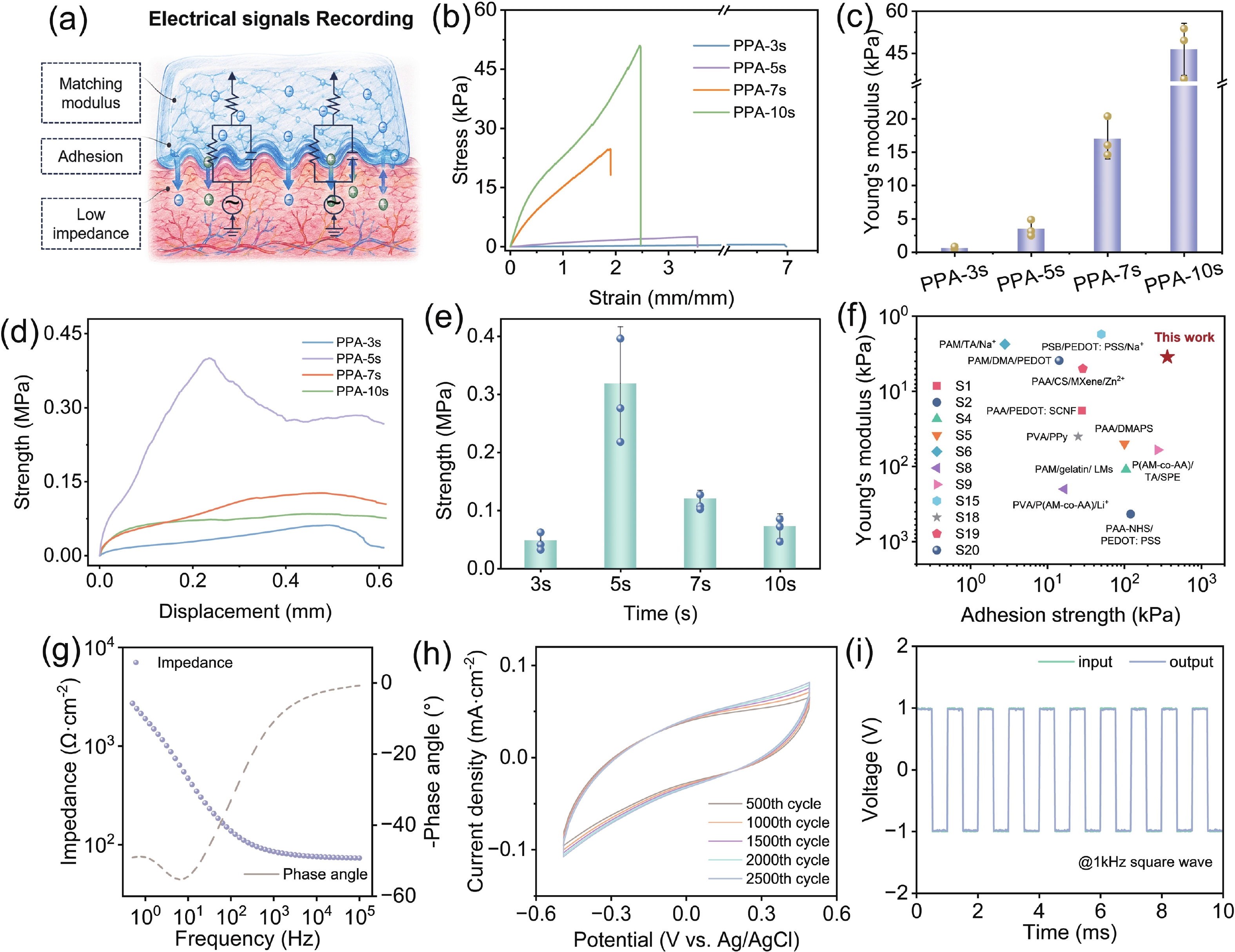
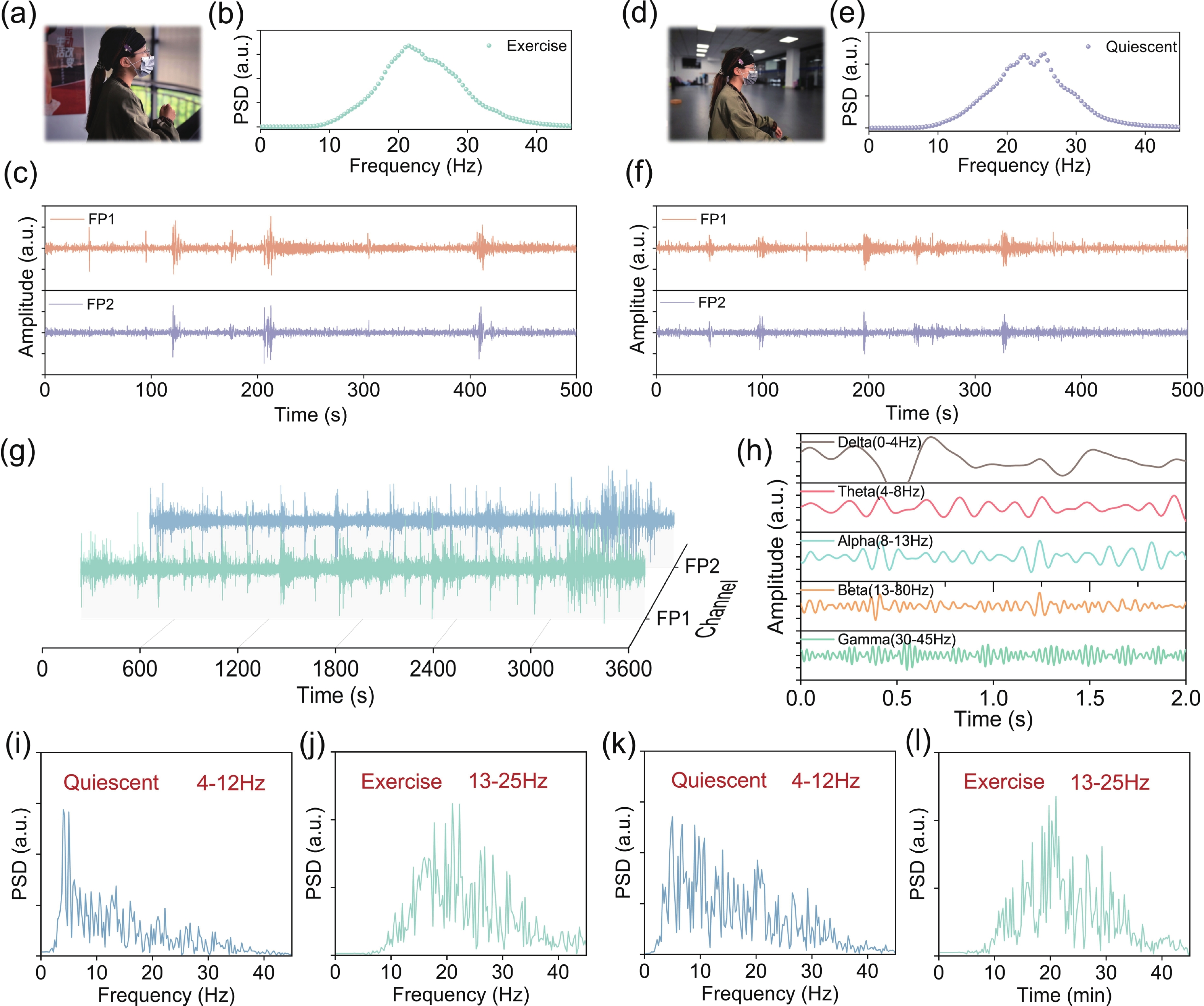
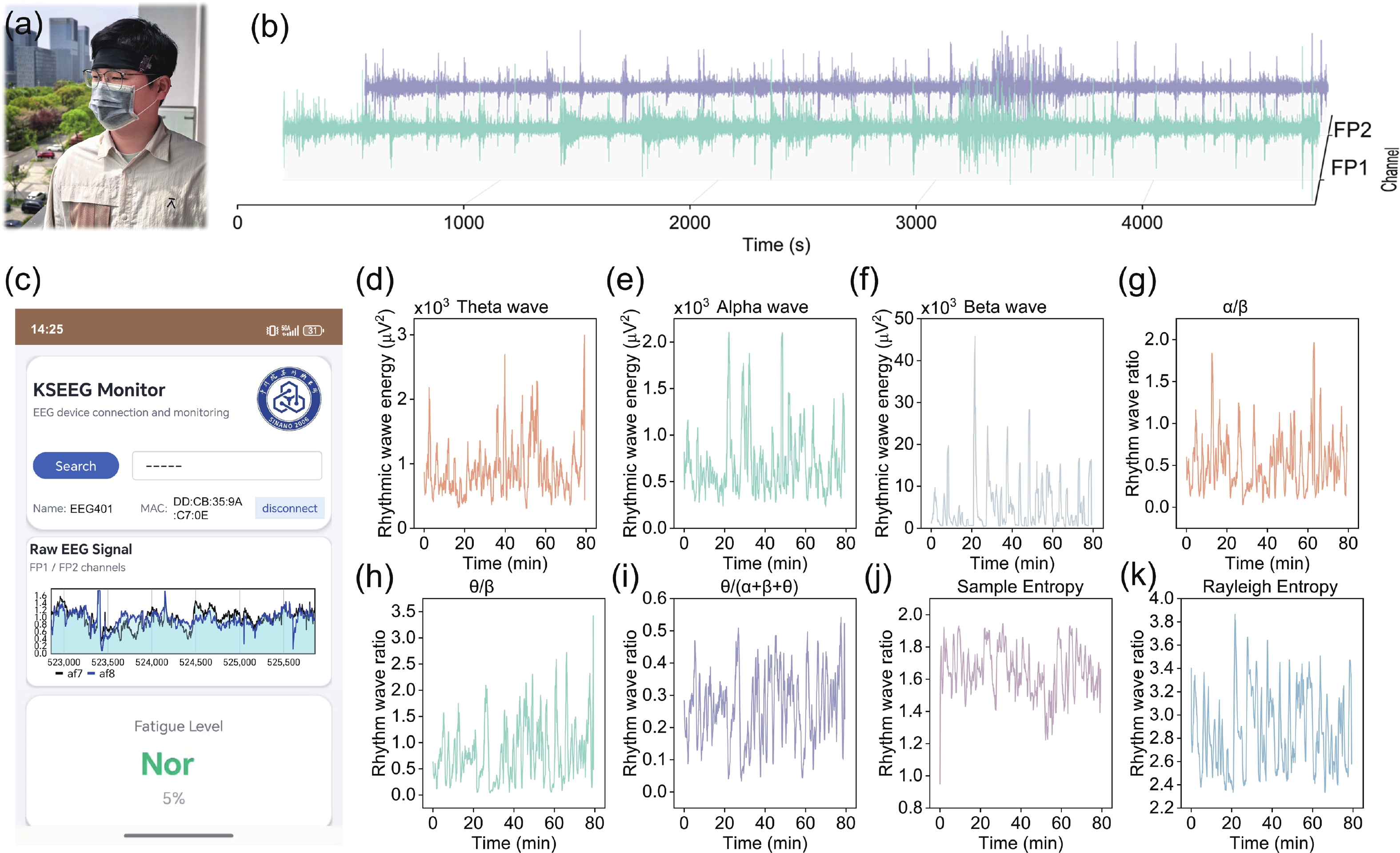
Accurate and quantitative evaluation of human fatigue status is of crucial importance to safe outdoor operations and personal health management. Electroencephalography (EEG) technology offers a non-invasive, rapid and high-accuracy feasible solution, yet it still faces challenges such as large device volume and unstable electrode-skin interface. In this work, we propose a wearable intelligent EEG platform for real-time monitoring and assessment of human fatigue status. A flexible dual-channel (FP1, FP2) EEG patch was fabricated in flexible PET film by coupling screen-printed carbon powder/graphene oxide electrodes with a biocompatible polyacrylic acid/polyvinyl alcohol (PAA/PVA) hydrogel. Among them, the composite carbon structure and the hydrogel provide a low interfacial impedance (98.3 Ω·cm2@1 kHz), skin-matched mechanical modulus (3.5 kPa) and a skin-conformal (296 kPa adhesion strength) electronic interface, respectively, laying a solid foundation for acquiring high-quality and stable EEG signals. Furthermore, a smartphone APP was developed to wirelessly operate the EEG platform, as well as to transmit and process real-time EEG data. To verify the effectiveness, a multi-state simulation-induced fatigue test was conducted. The results demonstrate that the proposed EEG platform can detect the EEG spectrum and conduct rhythmic classification processing, in which the θ/β value (>1.5) could serve as a reliable indicator of fatigue, enabling quantitative evaluation and early warning of human fatigue.
J. Semicond.
2026, 47(8): 082605 doi: 10.1088/1674-4926/26060029
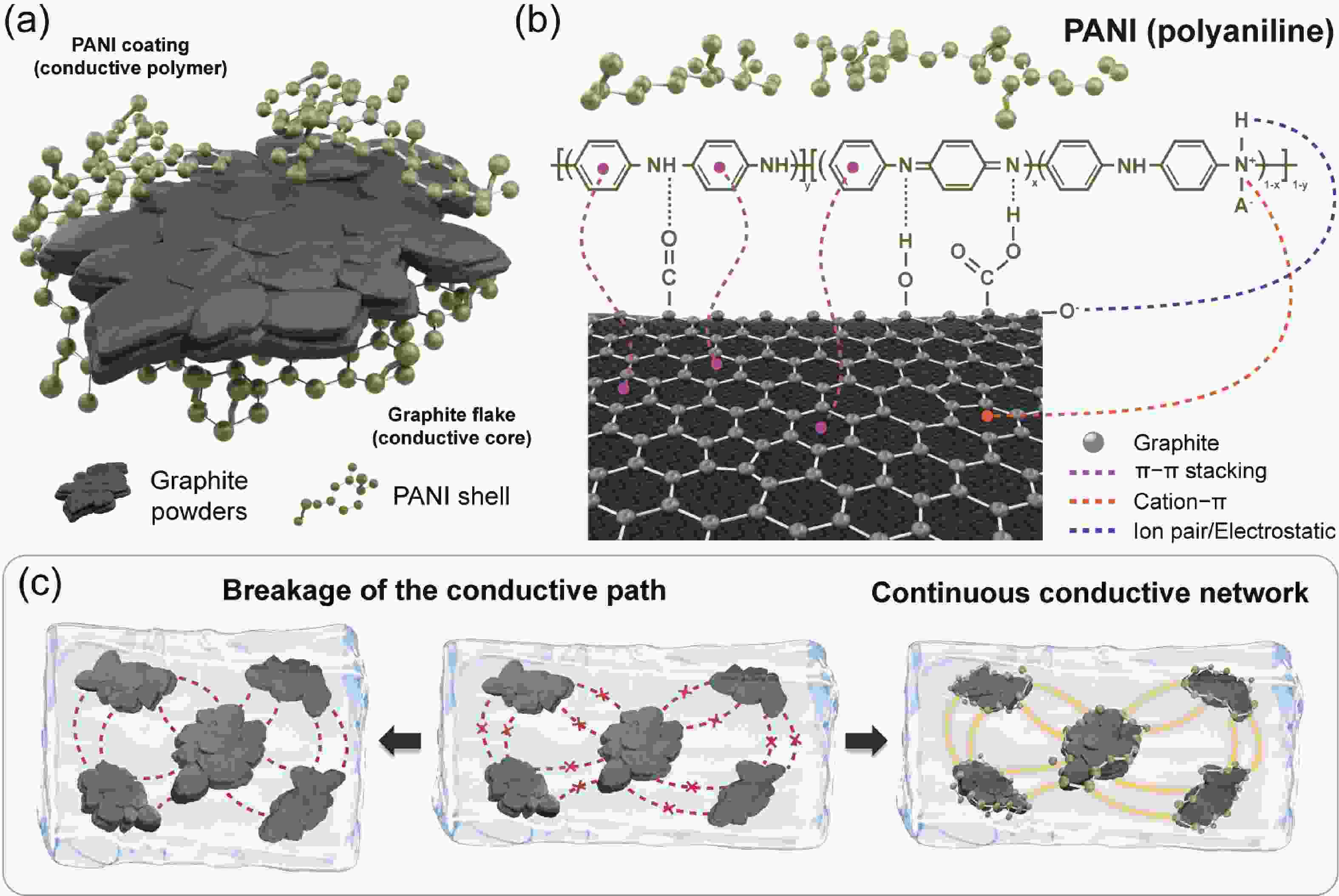
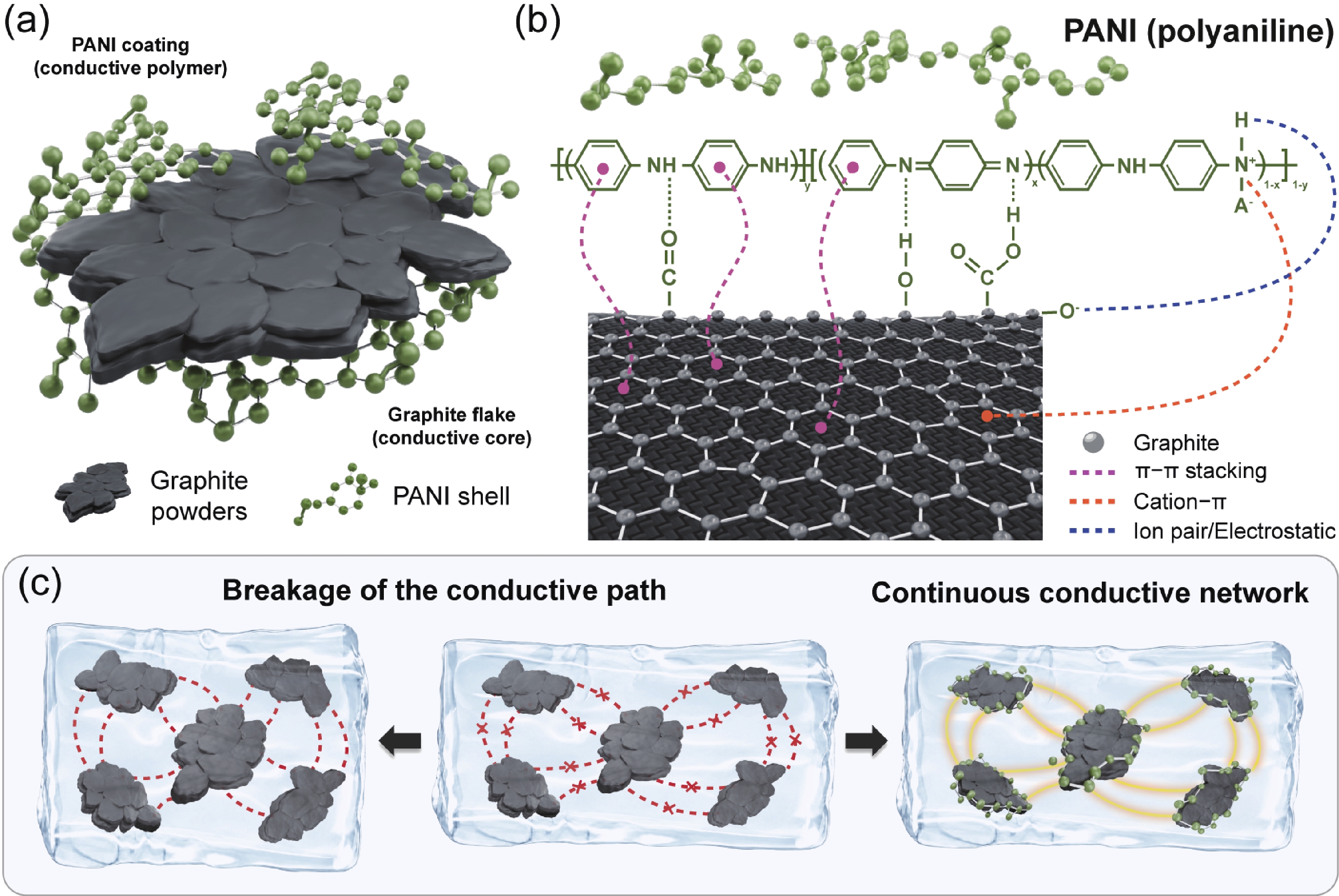
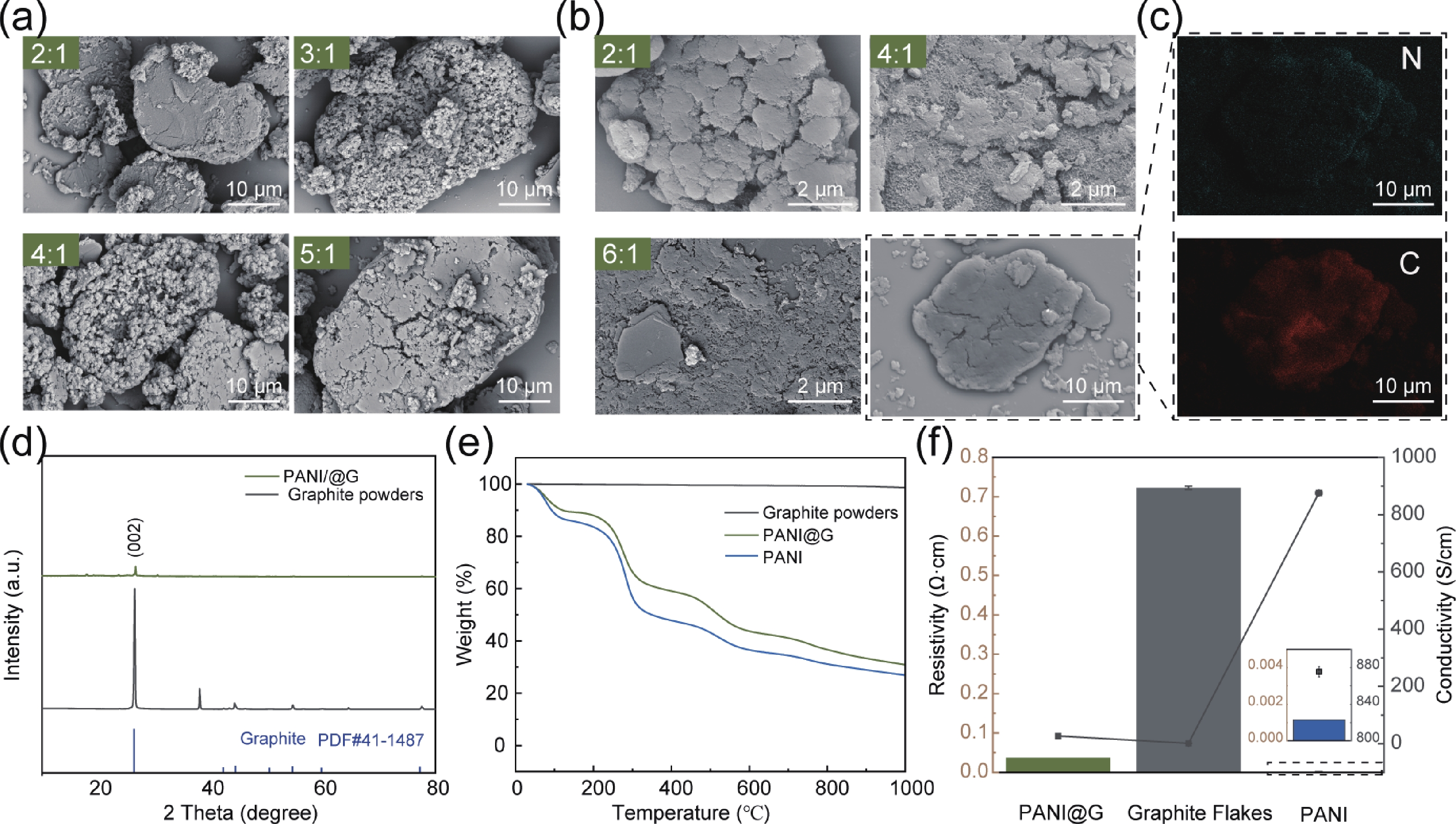
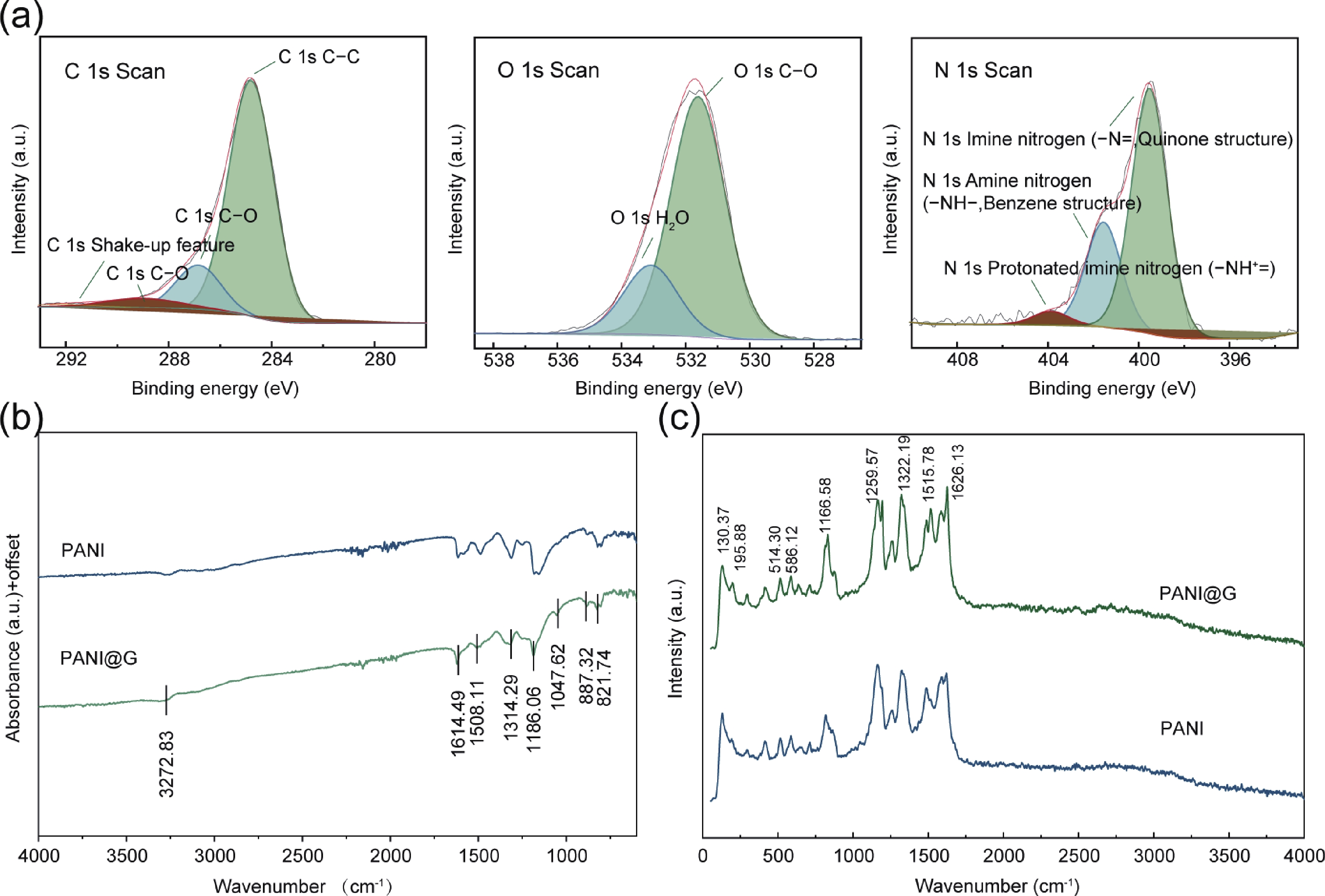
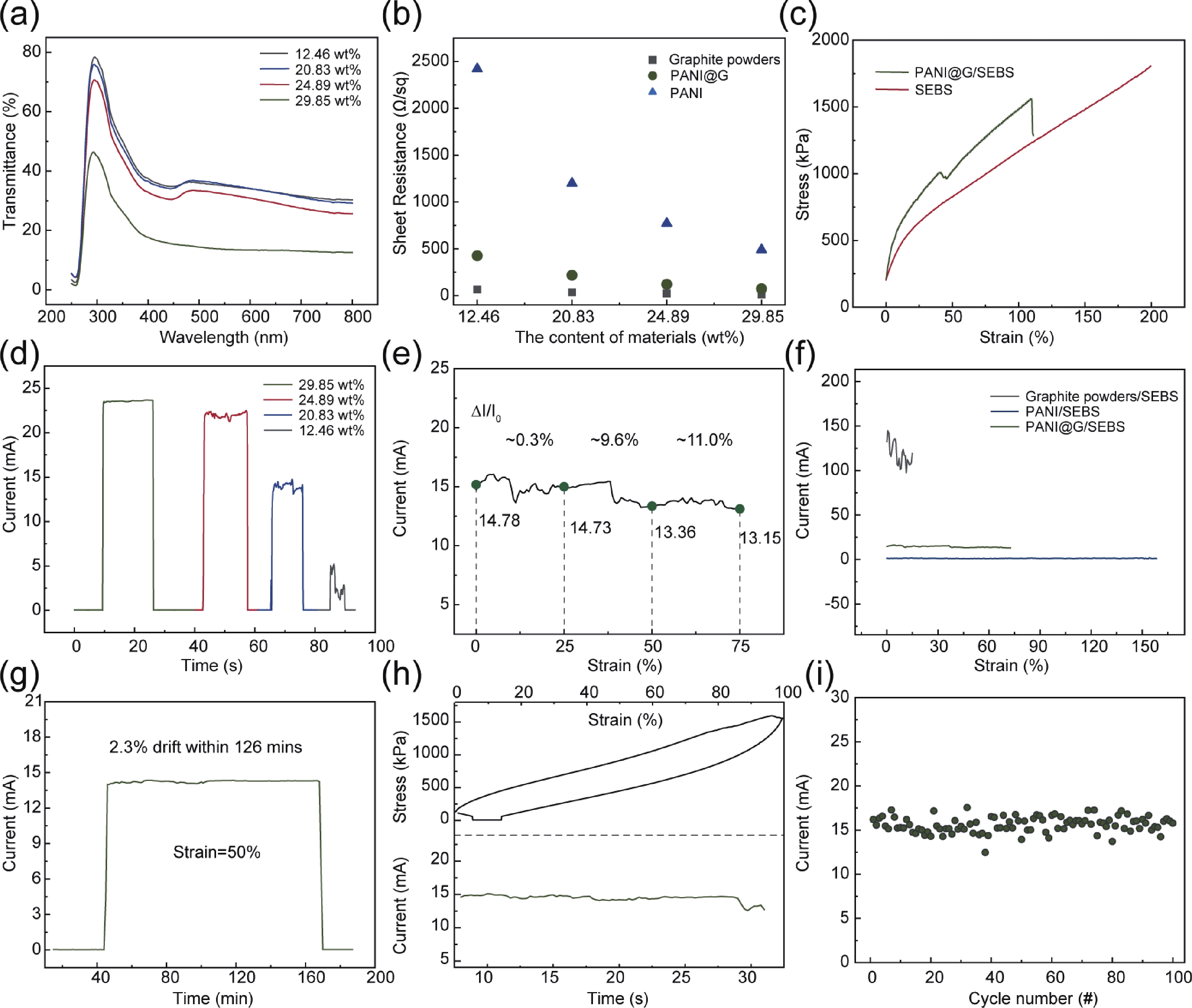
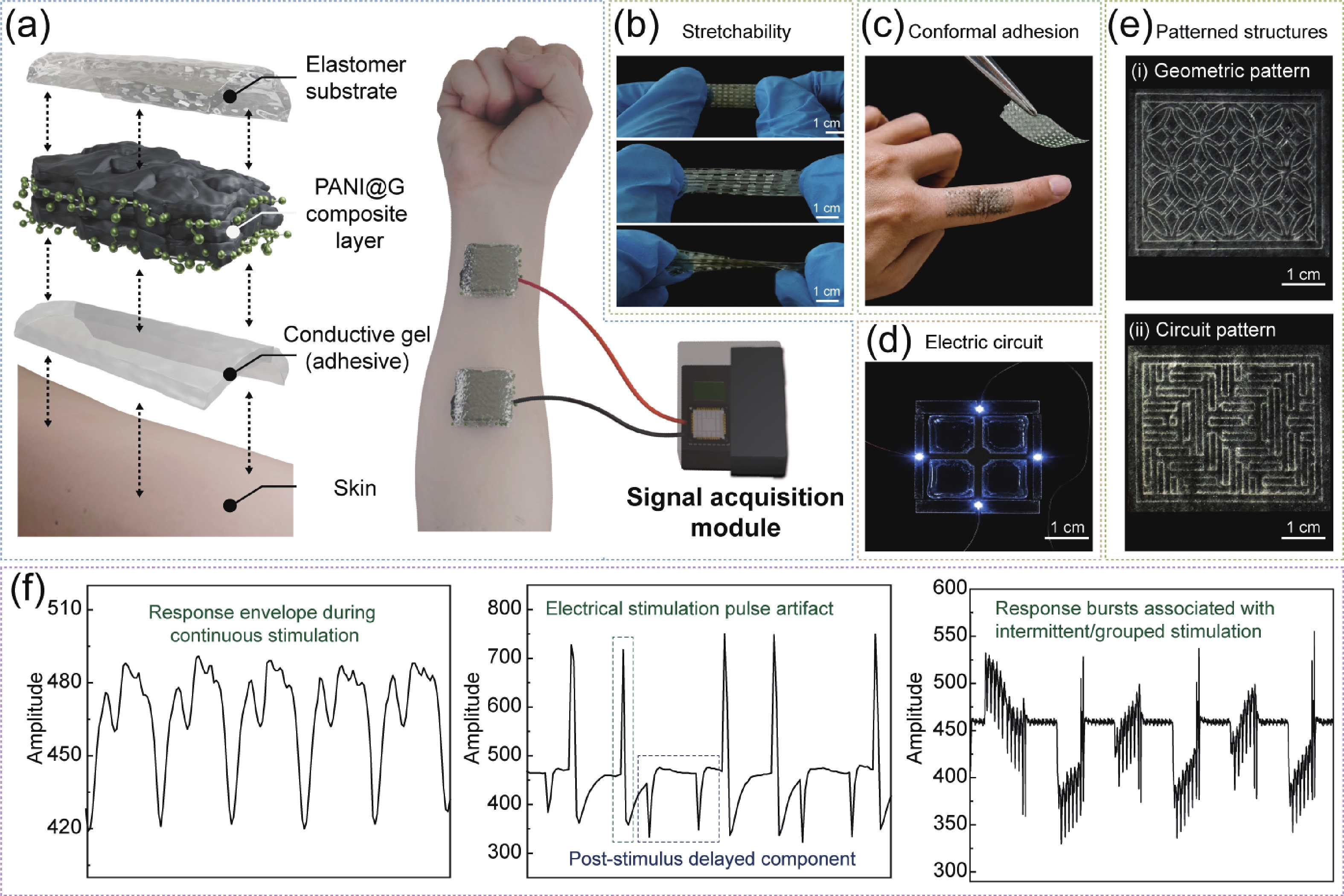
Stretchable bioelectrodes need both conductivity and deformation stability, but the conductive pathways of traditional rigid materials are prone to instability during stretching. In this study, polyaniline coated graphite powder (PANI@G) core shell fillers were constructed through the in situ oxidative polymerization of aniline and were sprayed onto a styrene-ethylene/butylene-styrene block copolymer (SEBS) substrate to prepare stretchable conductive films. The PANI coating layer improved the connection between graphite lamellae through interfacial interactions among nitrogen containing groups, oxygen containing functional groups, and conjugated structures. As a result, the film retained approximately 89% of its initial current at 75% strain, and the current drift was only 2.3% during 126 min of continuous stretching at 50% strain. The film was further patterned into lightweight flexible electrodes and realized electrical signal acquisition induced by electrical stimulation, providing an effective strategy for wearable flexible electrodes.
J. Semicond.
2026, 47(8): 082606 doi: 10.1088/1674-4926/26060007
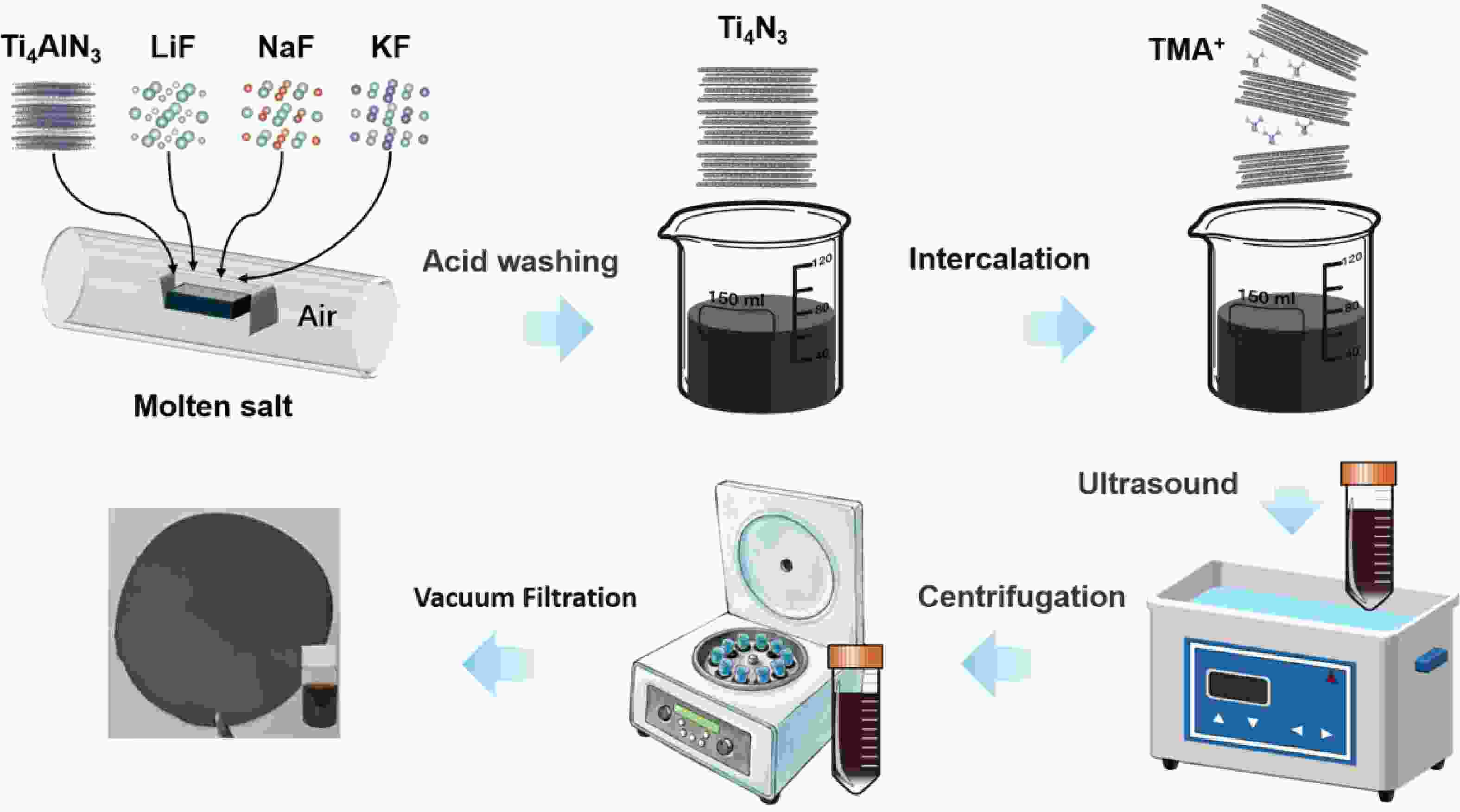
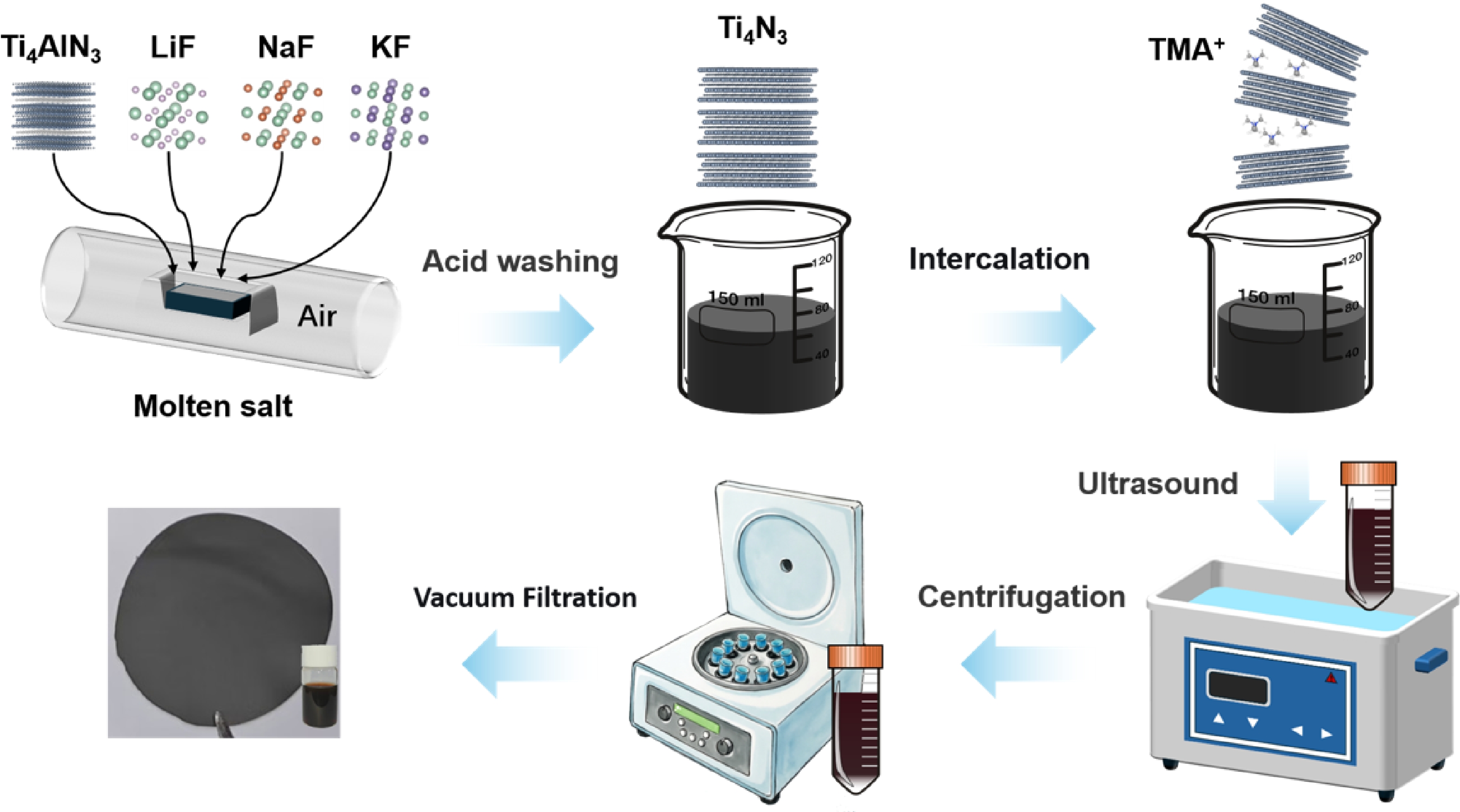
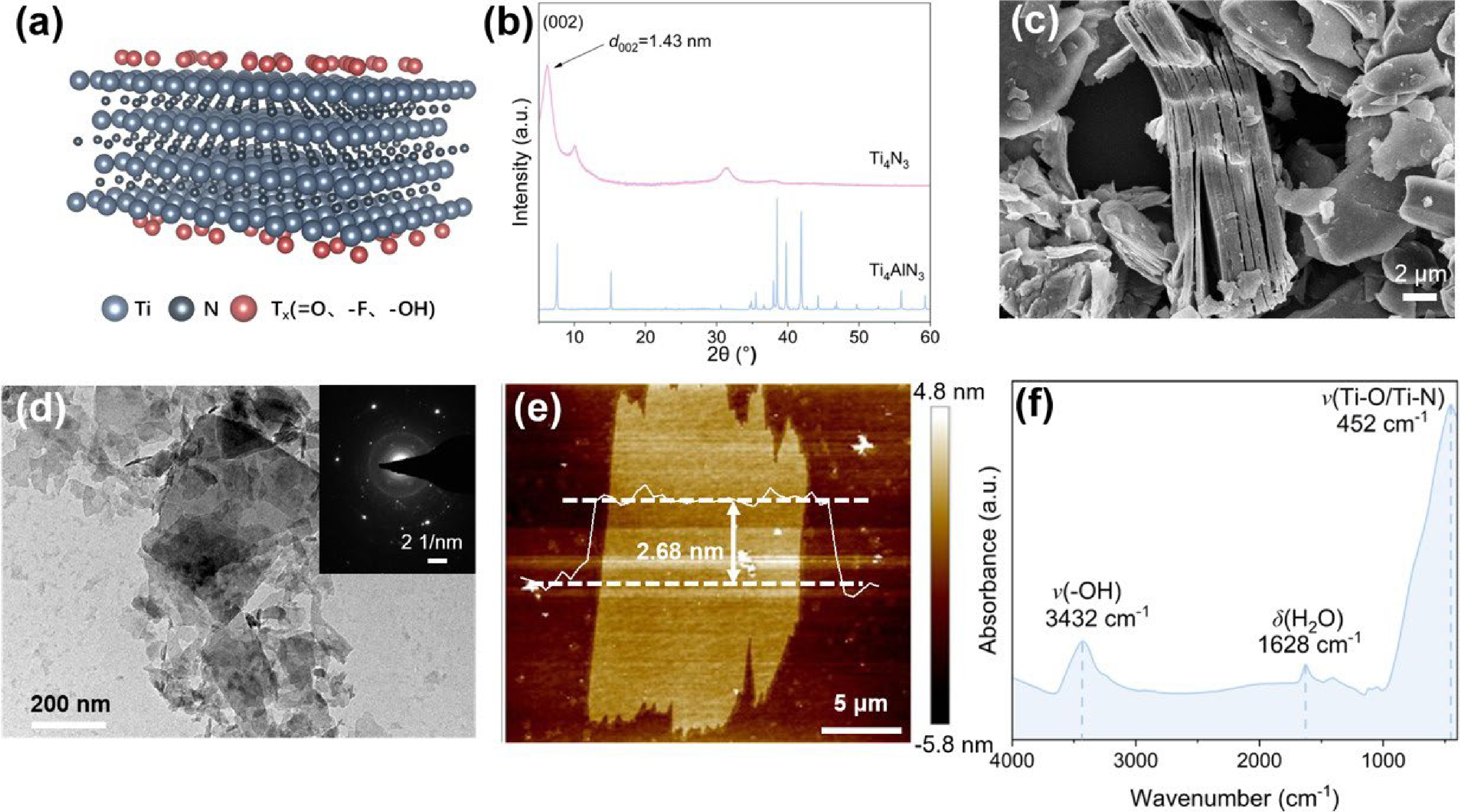
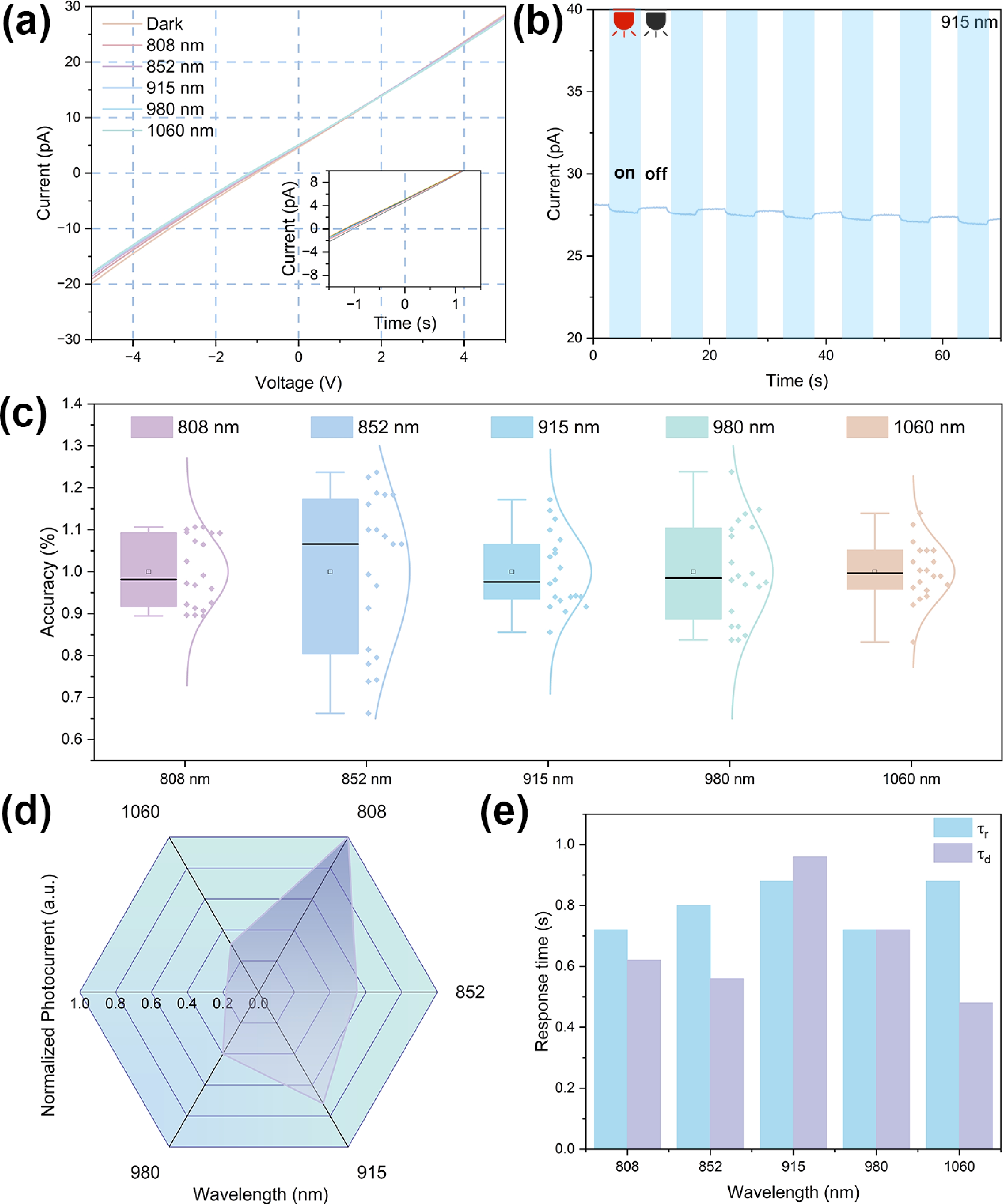
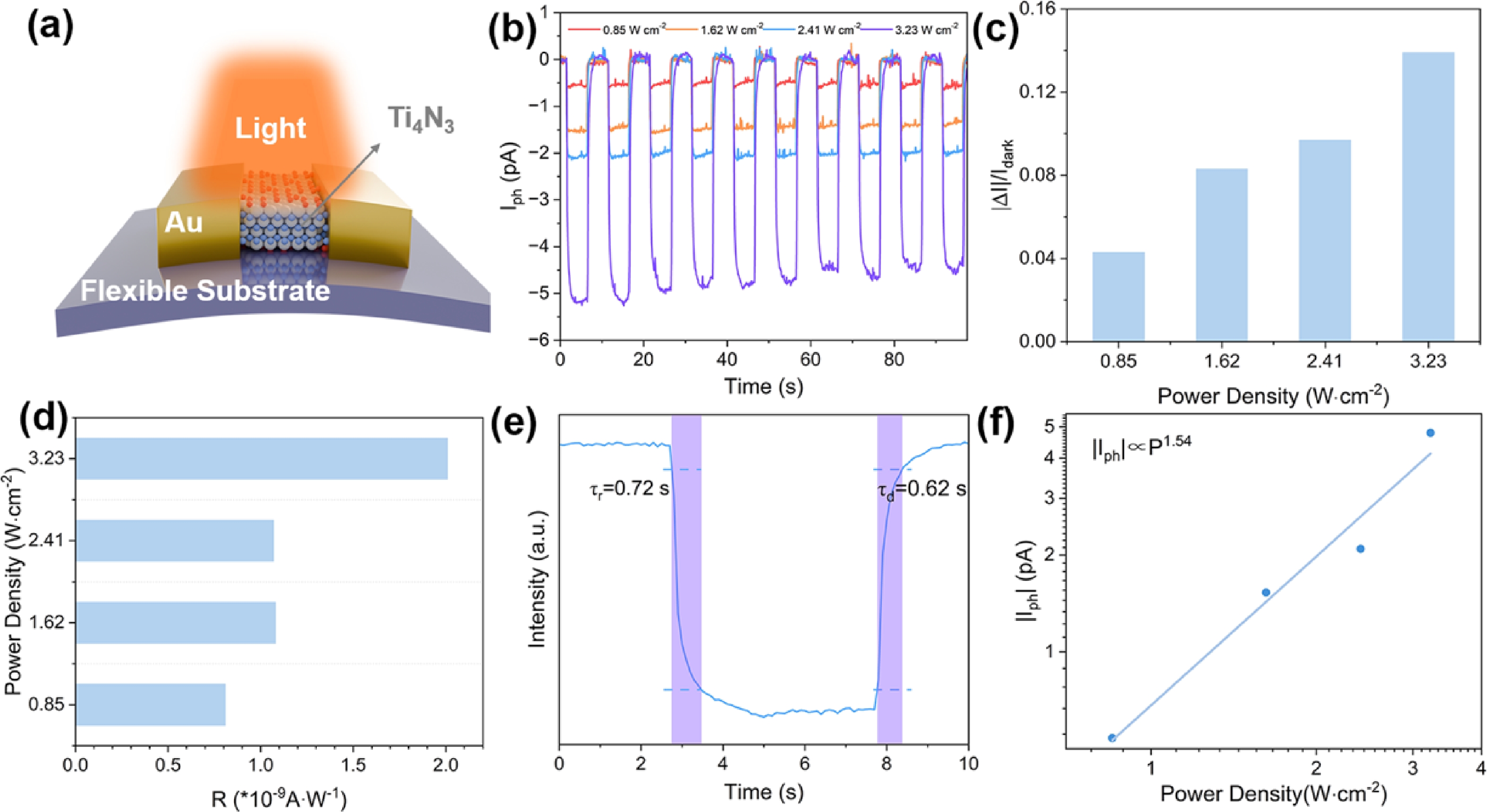
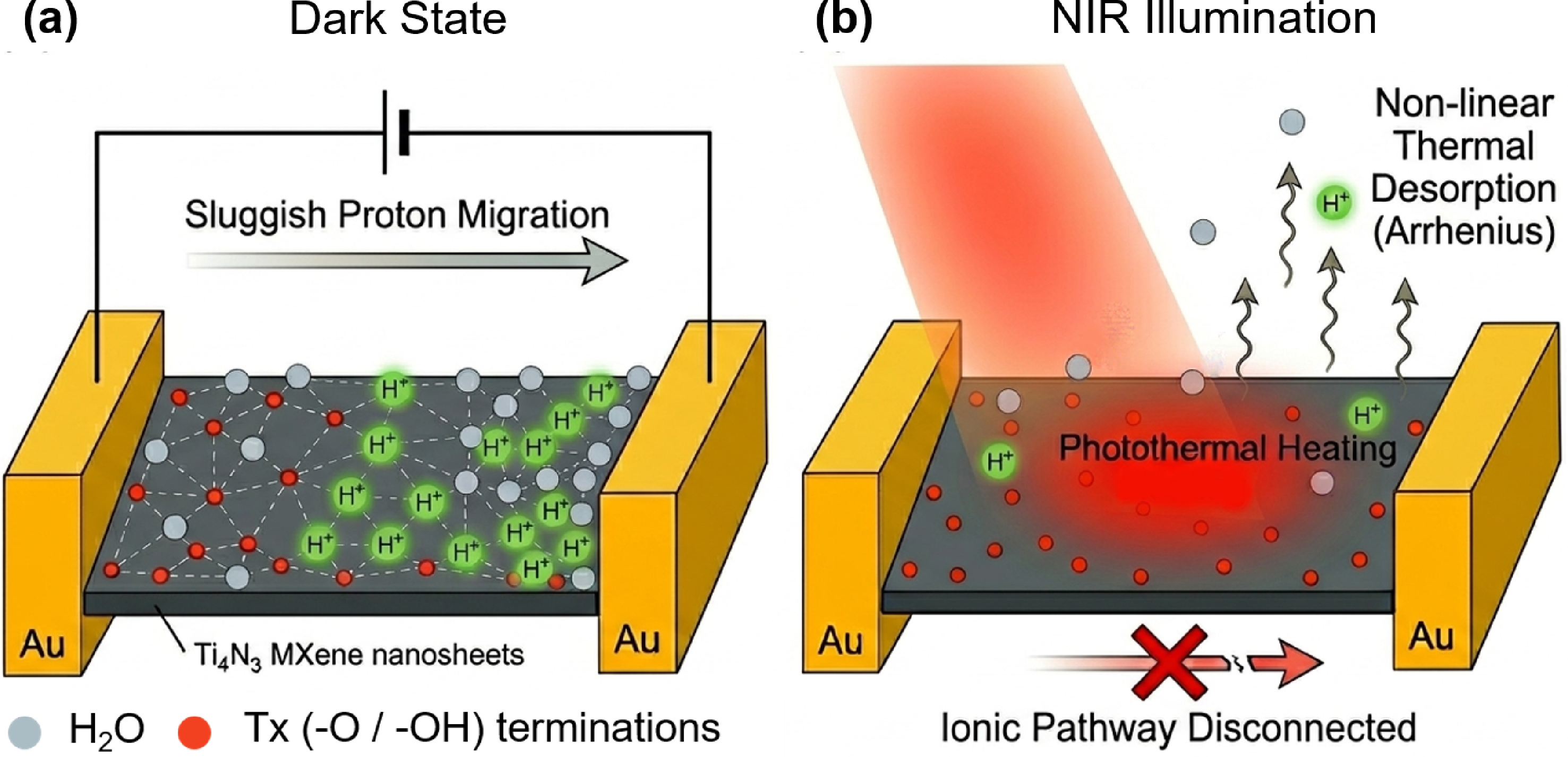
Progress in understanding optoelectronic properties of the two-dimensional (2D) transition metal carbides and nitrides (MXenes) is hindered by a dearth of exploring novel intrinsic semiconductor materials from MXene families. Here, we prepared 2D Ti4N3 MXene nanoflakes via the molten salt etching method, which was then employed to fabricate a flexible broadband near-infrared (NIR) photodetector. The assembled Ti4N3 MXene based photodetector exhibits a stable response to the lasers of 808, 852, 915, 980, and 1060 nm. Under high-power IR illumination, the device deviates entirely from conventional positive photoconductivity, displaying an anomalous superlinear negative photoresponse with a power-law exponent of α = 1.54 and a response time of ~0.7 s. The negative photoconductivity behavior of the Ti4N3 MXene based devices is driven by a robust photothermal-ionotronic coupling mechanism: the intense IR-induced local heating heavily disrupts the interfacial hydrogen-bonding networks, triggering an Arrhenius-type non-linear desorption of confined water and protons that effectively disconnects the ionic conduction pathways. This work provides fundamental insights into the photothermal-dominated carrier and ion dynamics in 2D materials, paving the way for next-generation optoelectrical devices and neuromorphic sensory systems.